beef wellington recipe
Mastering the Perfect Beef Wellington: A Step-by-Step Recipe Guide
Introduction
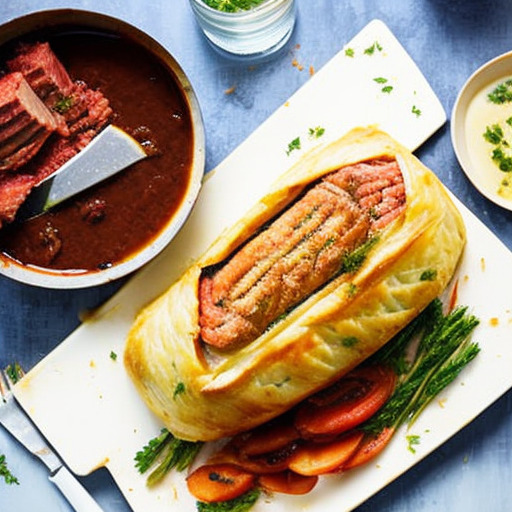
Beef Wellington is a beloved classic dish that has its roots in 19th century England. It consists of a filet of beef coated with duxelles, a mixture of finely chopped mushrooms, herbs, and occasionally pate. The fillet is then wrapped in puff pastry and baked until golden brown. It’s a notoriously challenging dish to make but when done right, it’s a show-stopping centerpiece that’s sure to impress any guest.
In this step-by-step recipe guide, we’ll go through everything you need to know to master the perfect Beef Wellington from choosing the right cut of beef to wrapping it in buttery puff pastry. We’ll also include tips for troubleshooting common problems as well as variations on the traditional recipe for vegetarians and international interpretations.
Ingredients
To make Beef Wellington, you’ll need the following ingredients:
- 1 1/2-pound center-cut beef tenderloin, trimmed and tied
- Salt and freshly ground black pepper
- 2 tablespoons olive oil
- 8 ounces mushrooms, finely chopped
- 3 cloves garlic, minced
- 1/2 cup finely chopped shallots
- 1 tablespoon finely chopped fresh thyme leaves
- 2 tablespoons unsalted butter
- 1/4 cup cognac or brandy
- All-purpose flour, for dusting
- 1 pound puff pastry, thawed if frozen
- 1 large egg beaten with 1 tablespoon of water, for egg wash
It’s important to choose the right cut of beef for Beef Wellington. A center-cut beef tenderloin is the most traditional choice as it’s a lean, tender, and flavorful cut of meat. Make sure to buy a whole center-cut tenderloin and have your butcher trim and tie it for you.
In addition to the main ingredients, you’ll also need basic seasonings including salt, freshly ground black pepper, olive oil, garlic, shallots, and thyme. You’ll also need some unsalted butter and cognac or brandy to make the duxelles.
Preparing the Beef and Duxelles
Before stuffing the beef with duxelles, you’ll need to prepare both ingredients separately.
Pounding and Seasoning the Beef
- Remove the tied beef from the refrigerator and let it come to room temperature for 1 hour before cooking.
- Preheat oven to 425°F (220°C).
- Season beef all over with salt and black pepper.
- In a large skillet, heat olive oil over high heat until it shimmers.
- Add the beef to the skillet and cook for about two minutes per side or until browned all over.
- Transfer the seared beef to a cutting board to rest while making the duxelles
Making the Duxelles
Duxelles is a mushroom filling that adds flavor and moisture to Beef Wellington. It’s best made in advance so that it has time to cool down before being used as a filling.
What is Duxelles?
Duxelles is a mixture of finely chopped mushrooms, onions, herbs, and butter. It’s sometimes also mixed with pate for extra flavor and richness. The mushrooms give the filling an earthy flavor that complements the beef well.
Which Mushrooms to Use?
Fresh cremini mushrooms or button mushrooms are the best options for making duxelles as they have a firm texture and a woodsy flavor. You can also use portobello mushrooms if you want a more robust flavor.
Sauteing the Mushrooms and Herbs Together
- In same skillet (with fat still in it), add mushrooms, garlic, shallots, thyme, butter, and season lightly with salt and pepper.
- Stir occasionally until the mixture has reduced down to a thick paste, about 20 to 25 minutes.
- Add the cognac or brandy and cook for another minute then set aside to cool completely before using it for stuffing.
Tips for Achieving a Smooth Texture
The key to making duxelles is getting a smooth texture that’s easy to spread on the puff pastry later. To achieve this, be sure to finely chop the mushrooms before sautéing them and let them cook until they release their moisture. This will help the mixture reduce down into a thick paste that’s easy to spread. Make sure to let the duxelles cool completely before using it as a filling otherwise it’ll melt the pastry.
Wrapping the Beef in Puff Pastry
Wrapping beef in puff pastry not only adds an element of richness but also keeps the beef moist and flavorsome. There are a few things to keep in mind when wrapping Beef Wellington in puff pastry.
Rolling out the Puff Pastry Dough
- On a floured surface, roll out the puff pastry dough to about 1cm thickness.
- You need dough that’s large enough to completely cover the beef. A good way to check is by placing the beef on top of the rolled-out pastry to make sure there’s enough room to cover it entirely.
- Trim off excess pastry around the edges with a sharp knife
Assembling the Beef with Duxelles inside the Pastry Wrap
To assemble Beef Wellington, you’ll need to spread a thin layer of duxelles over the puff pastry before placing seared beef at its center. Next, wrap the pastry around the beef and duxelles to create a neat, square shape.
Tips for Achieving a Perfectly Golden Brown Crust
- To get a perfectly golden and crisp crust, brush the pastry with an egg wash made from one beaten egg mixed with one tablespoon of water. This will give your Beef Wellington that glossy finish that makes it look so appetizing.
- You can use any excess pastry decorations like leaves or letters using leftover pastry cuttings before transfering it all on baking sheet.
- Bake for about for 35 minutes or until golden brown and medium rare-done or your liking reached temperature reached approximately 135°F (57°C). Do monitor getting hotter otherwise this dish will be less juicy.
Baking the Wellington
Timing and Cooking Temperature Considerations
Cooking time and temperature depend on the size of your beef tenderloin and how well-cooked you want it. You can use a meat thermometer to monitor the internal temperature of the beef while it’s cooking. A temperature reading of 135°F (57°C) indicates medium-rare doneness, which is most desired as more than that will end up overcooked.
Importance of Using a Meat Thermometer
A meat thermometer is crucial when cooking Beef Wellington as it helps you achieve the desired level of doneness without cutting into the beef (which would release its juices). Safely insert the thermometer into the center of the beef fillet, making sure to avoid touching any bones or pan.
How to Avoid Under or Overcooking
To avoid undercooking, make sure to preheat your oven well in advance so that it’s hot enough to cook the beef through quickly. To avoid overcooking, be sure to remove your Beef Wellington from the oven as soon as it reaches your desired internal temperature.
Serving Suggestions
Beef Wellington is a rich and flavorful dish that pairs well with one or two sides. Consider steamed vegetables, mashed potatoes or roasted produce along with sauces like mushroom sauce, red wine sauce, or Hollandaise. Garnish with fresh herbs.
Best Wine Options
The richness of Beef Wellington goes well with bold and spicy red wines such as Malbec, Shiraz, and Cabernet Sauvignon. For those who prefer white wine, a barrel-aged Chardonnay would work great too.
Troubleshooting Tips
Even seasoned cooks can run into some challenges when making Beef Wellington. Here are some common problems you might encounter and how to fix them:
Cracks or Splits in Puff Pastry:
If your puff pastry peels or cracks during baking, brush the cracks with an egg wash to help seal them.
Beef Overcooked or Undercooked:
If your beef overcooks or undercooks, adjust the temperature and cooking time for the next time you make Beef Wellington and monitor using meat thermometer early on after putting it in the oven.
Duxelles too Wet or Dry:
If your duxelles is too wet, sauté it for longer to reduce moisture. If it’s too dry, add a bit of butter or oil to make it stickier.
Variations on Traditional Recipe
Substitutions for Different Tastes (Vegetarians and Vegans)
Vegetarians and vegans can still enjoy this classic dish by substituting meat with either Portobello mushrooms or lentils. Use vegan puff pastry to create a vegan version of this dish. You can also enhance the flavor and texture of stuffing by using zucchini, fennel seeds, sun-dried tomatoes.
International Interpretations (French, English)
Each country has its unique twist on traditional Beef Wellington recipe. The French version, known as filet de boeuf en croute centers around adding pate in addition to mushroom mixture inside pastry wrap. In contrast, the beef is wrapped more simply in just flaky pastry dough in English variations which focusses more on tender cuts of meat.
Expert Tips from Professional Chefs
Tricks for Cutting and Serving Portions Elegantly
- To cut beef Wellington into even proportion slices, let it rest for 10 minutes once it’s baked. Use a sharp knife to cut into the pastry, which will be soft and tender. Cut it gently and serve it politely on the fine china.
Presentation Tips
When you’ve put so much hard work into your Beef Wellington, do not shy of using any extra flaky pastry or serving berries for making it aesthetically pleasing.
Frequently Asked Questions (FAQs)
How far in advance can Beef Wellington be made?
You can make duxelles filling one day before baking Beef Wellington, keep chilled. Individual components like mushrooms, herbs, can also be prepared earlier in advance before assembling them all on the day of baking
How do I store leftover Beef Wellington?
Beef Wellington can be kept in the fridge for up to 2 days after baking but always reheat.
Conclusion
Making Beef Wellington can be an intimidating task, but with the right ingredients and methods, you can create a masterpiece in your own kitchen. Remember to enjoy every step of the process and don’t forget that practice is what makes perfect.
In this recipe guide, we’ve covered everything from choosing the right cut of beef to troubleshooting common problems and offering some variations to suit different tastes. Remember to use a meat thermometer when cooking your beef, let it rest after taking out from oven before cutting slice into it and present with beautiful sides like vegetables or sauces. With patience and attention to detail, you’ll become a master at making Beef Wellington that will impress all tastes buds.
Frequently Asked Questions About Beef Wellington Recipe
1. What is beef Wellington?
Beef Wellington is a traditional British dish consisting of beef fillet wrapped in puff pastry and baked until the pastry is golden brown and the meat is cooked to perfection.
2. What are the ingredients needed for beef Wellington?
- Beef fillet
- Puff pastry dough
- Mushrooms
- Mustard
- Egg wash
- Salt and pepper
3. How long does it take to make beef Wellington?
The total time for cooking beef Wellington is around 1 hour and 30 minutes, including preparation time and cooking time.
4. Can I prepare beef Wellington ahead of time?
Yes, you can prepare the beef Wellington recipe ahead of time by wrapping it in cling film and refrigerating it until ready to bake. However, it’s important to let it come to room temperature before putting it in the oven.
5. Can I use other types of meat for this recipe?
Yes, you can use other types of meat such as chicken or pork for the recipe. However, beef is traditionally used for this dish.
6. What is the ideal temperature for cooking beef Wellington?
The ideal temperature for cooking a beef Wellington is 200°C/180°C fan/gas mark 6.
7. What should I serve with beef Wellington?
- Creamed spinach
- Roasted vegetables
- Mashed potatoes
- Braised red cabbage
These are all great side dishes that can be paired with beef Wellington for a perfect meal.