pork roast recipe
Comprehensive Guide to Cooking Pork Roasts
Pork roast is a delicious and satisfying meal that can be enjoyed by anyone. It’s an excellent choice for special occasions and family dinners. However, preparing the perfect pork roast can be a challenge, especially if you don’t know where to start. In this comprehensive guide, we will take an in-depth look at everything you need to know about pork roasts, from choosing the right cut of meat to serving a perfectly cooked dish.
Introduction
Pork roast is a classic dish where seasoned pork is cooked and usually served as the centerpiece of any feast or dinner celebration. There are different types of pork cuts suitable for making pork roast dishes such as Boston butt, shoulder, leg, or loin. Before we dive into how to make the perfect pork roast, let’s look at some pros and cons of using different types of pork for your recipe and how they affect the taste.
Pros and Cons of Using Different Types of Pork
- Boston Butt: This cut comes from the upper part of the pig’s shoulder. Boston Butt has more fat than some other cuts (about 30% fat content), making it perfect for slow roasting or barbecuing. The higher percentage of fat means that it renders down during cooking, making the meat tender and flavorful.
- Shoulder: Pork shoulders have high marbling fat running through their fibers, which contributes to the flavor and texture of this cut when roasted or braised.
- Leg: This cut comes from the back part of a pig’s hindquarter known as ham; it’s leaner than other cuts but contains enough collagen which adds depth in flavor and maintains moisture during cooking.
- Loin: This popular cut has a low-fat content and contains lean, tender meat that is ideal for high-heat cooking methods such as roasting or grilling.
Overview of the Various Cooking Methods Used in Preparing Pork Roast
There are several methods to cook pork roasts, including smoking, roasting, barbecuing, and slow cooking. The cooking method chosen depends on factors such as cut selection and fat content. For example, high-fat content cuts like Boston Butt are ideal for slow cooking over several hours, while leaner cuts like loin would cook best in high temperatures for a shorter time.
Types of Pork Roast
The type of pork roast you decide to use for your recipe is crucial to the dish’s outcome. Below are the most common types of pork roast:
Boston Butt
Boston Butt comes from the upper part of the pig’s shoulder, also called a pork shoulder. It’s a well-marbled cut with streaks of fat running through it, which makes it perfect for slow-roasting or barbecuing. This type of pork roast has an excellent flavor due to its high-fat content.
Shoulder
Pork shoulder is another excellent choice for creating a succulent pork roast. This cut consists of both bone-in and boneless varieties and gets divided into two parts: the arm picnic and blade roast; blade is less fatty than arm picnic but more tender when roasted.
Leg
Pork leg is also known as ham and is one of the leanest options when making pork roast. It’s an excellent option if you want to serve a healthier meal. Although there’s little fat running this site, it contains plenty of collagen which compensates for moisturing and flavoring.
Loin
Loin roast comes from the pig’s back. It is a popular choice because it’s a lean cut with little fat and tender meat. Most commonly it is boneless, making it effortless to slice when roasted.
Preparing the Pork
Once you have chosen a type of pork roast, prepare it properly before cooking to enhance the flavor and maintain the juiciness. Proper trimming and seasoning are essential for creating an excellent piece of pork roast that will leave your guests begging for more.
Choosing the Right Cut of Pork
When selecting the pork cut for your recipe, consider factors such as preparation method (smoking, barbecuing, or roasting), cooking time, and crowd size. On average, a Boston Butt can serve 6-8 people, while shoulder cuts can serve a more extensive crowd. Leaner cuts like loin need less seasoning and cook time to ensure they do not dry out.
Trimming and Seasoning Your Pork Roast
To create an outstanding final product, start by trimming excess fat using a sharp knife to leave only half-inch fat layers uniformly distributed over the entire surface area of your pork roast. It is vital not to overdo this step since the layers of fats keep the roast moist during cooking, leaving behind flavorful sauces as well.
After trimming any unwanted parts off your meat, it is time to season it with salt and whichever other spices or herbs you prefer most. For example:
- Salt & Pepper: Simple but efficient; Salt enhances meat flavors by bringing out the natural sweetness while black pepper’s heat boosts overall taste.
- Rosemary & Garlic: Give your pork roast an earthy flavor by rubbing crushed garlic, and freshly chopped rosemary liberally over the pork roast.
- Brown Sugar & Mustard: A perfect balance of sweet and tangy rub makes Pork Roast really stand out; add 1 tablespoon of yellow mustard to a tablespoon of brown sugar rubbed all over the pork roast.
Importance of Marinating Your Pork and Techniques to Suit Different Cuts
Marinating your pork roast can tenderize the meat, ensure even distribution of flavors while locking in flavor, and succulence. A proper marinade helps add an additional layer of seasoning while keeping the meat from drying out when roasting. Some common flavor enhancers used in marinades include soy sauce, red wine vinegar, lime juice, and various herbs and spices.
When marinating your pork roast, it’s best to brine it for a couple of hours first in a mixture of saltwater and sugar (or other sweeteners). This process is essential since it opens up the pores in the meat, allowing for more flavor absorption during subsequent seasoning.
Cooking Methods
Below are three popular methods of cooking pork roast:
How to Cook Pork Roast in an Oven
To cook Pork Roast in the oven (applies to all types cuts), preheat the oven at 350F; meanwhile, rub down your pork roast with your preferred rub; this can be any combination from a pre-made packet mix to your own concoction. Be sure to place it on a greased baking tray or roasting pan with liquid (broth or water) on its base for moisture retention while cooking.
Next, insert a meat thermometer into the thickest part of your Pork Roast like shoulder/butt/leg; this will help you monitor its temperature as it cooks to ensure perfect results. If you’re wondering what the right temperature setting should be - usually, it depends on cooking time as you do not want to overcook your pork roast, but a safe range would be 145F - 160F internal temperature.
Steps to Follow When Preparing a Simple Oven-Roasted Pork Roast
- Preheat the oven at 350°F
- Place the pork roast in a baking tray
- Season it with your preferred spices or herbs all over the pork’s surface. A mix of salt, black pepper, onion powder, garlic powder, and paprika is excellent for an easy rub.
- Insert a meat thermometer into the thickest part of your Pork Roast
- Cook in the preheated oven until browned and cooked through. Cooking time varies depending on your pork roast’s size (it ranges from 20 minutes/pound to 45 minutes per pound)
- Once cooked, remove your pork roast from oven and let it rest for at least ten minutes before slicing and serving.
Variations to Try:
- Cranberry-Glazed Pork Roast: Mix one jar of cranberry sauce with two tablespoons Dijon mustard and one tbsp honey. Brush over pork while roasting for an irresistible tangy-sweet flavor.
- Garlic and Rosemary-Crusted Pork Roast: Crush fresh garlic cloves (2-3) & finely chop some rosemary; make a paste with both + olive oil on outer surface for extra flavor.
Preparing Pork on a Grill or Smoker: Smoking vs. Barbecuing
Smoking and barbecuing are excellent methods for cooking pork roast, but there are some differences between them.
Top Tips for Using a Smoker for Perfect Pork Every Time
- Pick the Right Wood: Choosing the appropriate type of wood chips will impact the final taste of your pork roast. For example, hickory, applewood chips or oak would be ideal to complement natural flavors without overpowering.
- Cook Slow and Low: Ensure that you keep the temperature consistent (225F) throughout the process of smoking. Plan to smoke your pork roast at least 1.0 -1.5 hours per pound for perfect smoky flavor and fall-off-the-bone succulence.
- The Water Pan Trick: Place a water pan full of liquid beneath your meat so that as heat from the smoker rises up, it steam moistens and tenderizes your pork roast inhaling moisture into meat fibers.
- Invest In a Meat Thermometer: Use a meat thermometer to measure doneness accurately, so you do not overcook or undercook your pork roast. The ideal internal temperature range for cooked pork is 145°F to 160°F
Different Types of Wood Chips for Smoking Your Perfectly Seasoned Pork Roast
- Hickory - Ideal for enhancing flavors without overwhelming them; hinting traces of sweetness and bacon-like aroma.
- Applewood - Milder, Fruitier flavor with a subtle sweetness; ideal when smoking pork succulent sausages often roasted longer at lower temperatures.
- Mesquite - Perfect for western-style barbecue recipes; infused with rich burnt ends flavor without leaving behind a bold aftertaste that takes over the meat flavor.
Cooking Guide
Here’s a chart showing temperature preferences for rare, medium-rare, or well-done options:
| Rare | Medium-Rare | Medium | Well-Done |
| 120°F - 125°F (49°c-51°C) | 130°F - 135°F (54°C-56°C) | 140°F -145°F (60°C-63°C) | 150°F - 155°F(65°C-68°C) |
Slow-cooking in a Crock-Pot/Slow Cooker
The crock-pot is an ideal gadget for cooking delicious pork roast. This method retains the meat’s moisture, so it’s tender, juicy and falls apart when cooked perfectly. Below is how to cook pork roast using a slow cooker:
Recipes that can be done using a slow cooker include slow-cooked carnitas and pulled pork.:
- Sear the Pork Roast: In a large skillet with about two tablespoons of oil on high heat, sear both sides of the pork roast until browned;
- Add your seasoning: Season your pork roast with salt and pepper according to preference;
- Cook Slowly: Add your meat to the slow cooker or crockpot together with aromatic vegetables like garlic and onions, coupled with any additional seasonings. Cover it and cook on high for 4 - 6 hours or low for 8 - 10 hours.
- Rest the Pork Roast: Remove your slow cooker pork roast and let it rest uncovered to regain its outside crisp or roast-like texture.
Serving Suggestions
The taste of your pork roast can be enhanced by adding flavourful gravy, tasty sauces, or sides like roasted tiger potatoes, vegetable medleys, garlic bread, and more. Here are recommended ways of serving your pork roast:
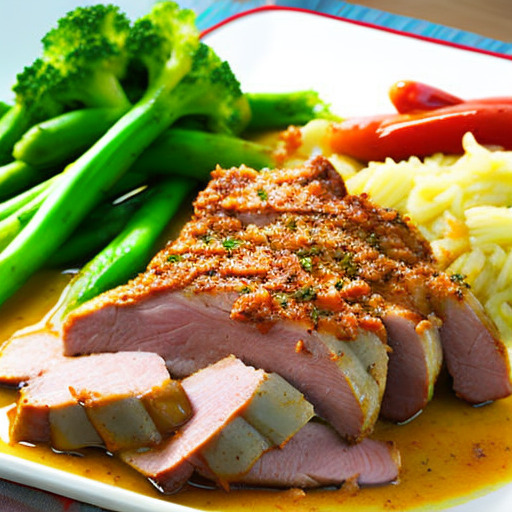
- Add rich brown gravy made from the cooked meat juices to top your pork slices and serve with roasted veggies on the side.
- Prepare a tangy sauce made from barbecue sauce mixed with soy sauce and honey to add a little sweetness;
- Pair with buttered mashed potatoes, green beans, carrots, and corn for a hearty meal that’s perfect for a special occasion.
Safety Tips
When cooking pork roasts, safety should be your top priority. Below are standard safety guidelines that will help you make safe and delicious meals:
- Always wash hands before handling meat or using any kitchen utensils;
- Clean all utensils and work surfaces before and after use;
- Be sure to store raw meat separately from cooked food to prevent cross-contamination;
- Cook pork to at least an internal temperature of 145℉ /63℃ to ensure dishes are safe for consumption (use a meat thermometer just in case);
- Store leftover pork roast in an airtight container or resealable plastic bag. It’s best to consume within three days or freeze leftovers promptly for later use.
Frequently Asked Questions (FAQs)
Common questions related to pork roast:
- What are the best pork cuts for making pork roasts?
- Which cooking method is best suited for which type of Pork Cut?
- How long should I cook my pork roast in the oven?
- What’s the perfect temperature for baking a pork roast?
- Is there a need to marinate or brine your pork roast before cooking?
Answers and helpful information that will help the home cook overcome
Frequently Asked Questions about Pork Roast Recipe
1. What is pork roast?
Pork roast is a cut of pork that is roasted in the oven or slow-cooked until it’s tender and juicy. The pork shoulder, loin, or leg are great cuts for roasting.
2. What are the ingredients of a pork roast recipe?
- 3-4 lb. pork roast
- 1 tbsp. olive oil
- 1 tsp. salt
- 1 tsp. pepper
- 1 tsp. paprika
- 2 cloves garlic, minced
- 1 cup chicken broth or water
3. How do you prepare a pork roast recipe?
To prepare a pork roast, follow these simple steps:
- Preheat your oven to 325F.
- In a small bowl, mix together olive oil, salt, pepper, paprika and garlic until it becomes a paste.
- Rub the mixture all over the pork roast.
- Place the pork roast in a roasting pan and add the chicken broth or water to the bottom of the pan.
- Cover with foil and bake for approximately 2-3 hours or until internal temperature reaches at least 145F.
4. How long does it take to cook a pork roast?
The cooking time will depend on the size of your pork roast and oven temp you are using. A good estimate is to cook for approximately 20 minutes per pound at 325F.
5. How can I make my pork roast more flavorful?
You can add more flavor to your pork roast by marinating the meat before cooking or adding herbs and spices that complement the flavors of pork, such as rosemary, thyme, sage, or fennel seeds. You can also add onions, apples or dried fruit to the roasting pan for a flavorful side dish.
6. Can I cook a pork roast in a slow cooker?
Yes, you can cook a pork roast in a slow cooker. Follow the same steps for preparing the roast, then place it in the slow cooker with chicken broth or water. Cook on low heat for 6-8 hours or until the internal temperature reaches at least 145F.
7. How should I serve my pork roast?
You can serve your pork roast with a variety of side dishes like mashed potatoes, green beans, or roasted vegetables. Remember to let the pork rest for 10-15 minutes before slicing to allow the juices to distribute evenly.