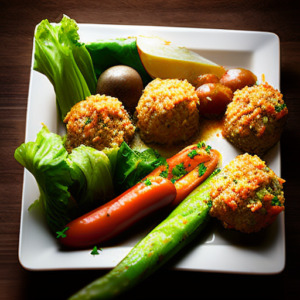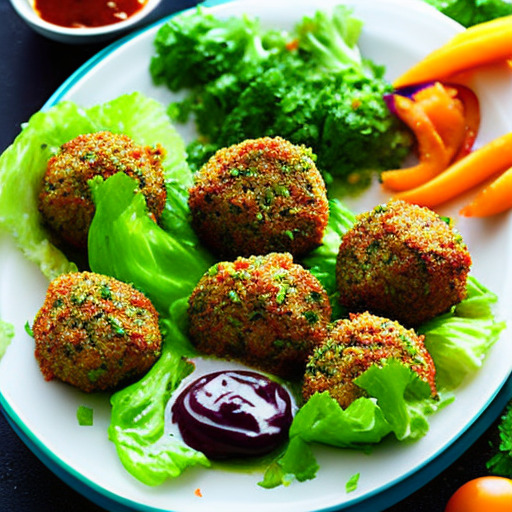
falafel recipe
The Ultimate Guide to Making Delicious Falafel at Home
If you’ve ever tasted falafel, then you know what a heavenly experience that can be. These crispy, flavorful balls made from chickpeas and herbs are a staple in Middle Eastern cuisine and have become popular all around the world. While you can always grab falafels at a restaurant or food stall, there’s something special about making them at home. Not only does it give you more control over the ingredients, but it also allows you to experiment with different flavors and techniques.
Introduction
Falafel has been around for centuries and is considered one of the oldest dishes in Egyptian and Middle Eastern cuisine. It is typically served as a street food item or in traditional mezze platters that include hummus, baba ganoush, and various dips and snacks.
Other regions around the world have their own take on falafel, including Palestinian-style falafel that is bigger and flatter than its Egyptian counterpart and made from fava beans or chickpeas. Israeli-style falafel often comes with pickled vegetables and features a slight sweetness.
While falafel is known for being delicious, it is also packed with nutritional benefits. Chickpeas are high in protein and fiber, while the herbs used in falafel, such as parsley, cilantro, and mint, are full of antioxidants and vitamins.
So why make falafel at home? For starters, it’s cost-effective. You can buy a bag of dried chickpeas for a few dollars and make enough falafels to last you for several meals. Plus, making your own gives you full control over the ingredients, including the quality of chickpeas, types of spices used, and frying techniques.
Ingredients
The essential ingredient for falafel is chickpeas, sometimes known as garbanzo beans. However, there are a few different ways you can use chickpeas in your recipe, depending on your preference and availability.
Chickpeas
You can either use dried or canned chickpeas in your falafel recipe. While canned chickpeas are convenient and faster to prepare, they may contain additives and preservatives that can affect the taste and texture of your falafels. Dried chickpeas take longer but offer more control over the soaking and cooking process.
If you choose to use dried chickpeas, you will need to soak them overnight or for at least 12 hours before cooking them. This is essential for softening the chickpeas and making them easy to blend later on.
Herbs and spices
While chickpeas make up the bulk of falafel, it’s the herbs and spices that give them their distinctive flavor. Parsley, cilantro, mint, cumin, coriander, and garlic are common ingredients used in traditional falafel recipes.
You can adjust the amount of herbs and spices based on your personal preference. Using fresh herbs rather than dried ones will add more flavor and complexity to your mix.
Onion and Garlic
Onion and garlic add a savory element to falafel that balances out the other flavors. They also help bind the mixture together when combined with other ingredients.
Equipment Needed
You don’t need much equipment to make delicious falafel at home. Here are a few options:
Food processor vs. blender
You will need a food processor or blender to blend the chickpeas, herbs, spices, onion, and garlic into a smooth mixture. A food processor is the preferred option as it will give you more control over the texture of the mix. A blender may work but may leave some chunks.
Mixing bowl
You’ll need a large mixing bowl to combine all of the ingredients once they have been processed. A sturdy bowl with high sides will prevent any spills or splatters while mixing.
Deep fryer vs. skillet vs. oven
When it comes to frying your falafels, you can use a deep fryer, a skillet, or an oven. A deep fryer offers the most even cooking and crispiest exterior, but it isn’t essential. You can also use a shallow frying pan or even bake your falafels in the oven if you prefer.
Preparing the Mixture
The key to delicious falafel is getting the mixture just right. Here are a few methods for creating the perfect blend:
Soaking Chickpeas Overnight
If you’re using dried chickpeas, you will need to soak them overnight or for at least 12 hours before using them in your recipe. Place the chickpeas in a large bowl and cover them with water at least 1 inch high.
Add 1 tsp baking soda per pound of chickpeas to help soften them more quickly. Rinse well in cold water before using.
Pilaf-style prep method
This method involves a dry pilaf-style cook before blending that allows you to remove excess moisture and add more flavor dimension by frying some of your ingredients together.
- Rinse 2 cups of dried chickpeas (not canned) and put in a stockpot or Dutch oven.
- Fill the pot with water so that the chickpeas are covered by about 2-inches of water.
- Bring the water to a boil over high heat and then reduce the heat to low and simmer until the chickpeas are tender, which takes about an hour for dried chickpeas.
- Drain and reserve some of the cooking liquid for later.
Processing the mixture properly
The goal is to process your ingredients into a chunky but smooth mixture that sticks together and shapes easily into balls. This will ensure that your falafels stay intact when frying.
- Add the drained, soaked chickpeas, herbs, spices, onion, garlic, and a pinch of salt in a food processor. Pulse the mixture in batches if necessary until it’s finely ground but not pureed.
- It’s essential to be patient as you blend. You may need to add small amounts of warm water or reserved cooking liquid as you process to keep the mixture from being too dry yet not too wet that it won’t hold together.
- Once blended, transfer everything to a large mixing bowl. You can taste test here, and add more salt or spices if needed.
Shaping and Frying the Falafel Balls
The shaping, cooling, and frying steps require precision top-quality falafels:
Scooping and shaping the balls
There are different ways to shape your falafels before frying them. You could use a cookie scoop or ice cream scoop for uniform sizeballs or spoonfuls if you want a more organic shape.
To form balls, wet your hands slightly, and scoop 1-2 tablespoons of the mixture into your palm. Gently roll it between your palms to make a smooth round shape. Repeat with the remaining mixture.
Tips for the perfect shape
Don’t hurry this step. Take your time to shape each falafel ball consistently for even cooking and a uniform exterior. Firm but not densely packed balls are ideal for producing a crispy crust with a delicate, fluffy interior.
Resting time before frying
A critical point in falafel making is allowing the shaped falafels to rest in the refrigerator for at least 30 minutes before cooking. This resting time allows the falafels to firm up, which helps them maintain their shape while frying.
Proper frying techniques
The oil should be hot enough (350-375°F), and you should only fry a few falafel balls at a time to prevent them from sticking together. When done, remove them with a slotted spoon or spider and drain on paper towels or a wire rack.
Serving Falafel
Falafels are versatile and can be served in both traditional or modern creations:
Traditional serving methods
- In pita bread or wraps along with other veggies and tahini sauce.
- Served hot or cold as an addition to mezze platters.
- On skewers as street food snacks.
Modern creations
- A falafel bowl packed with quinoa, roasted veggies or even salad greens
- Stuffed falafels bursting with different delicious fillings like feta, olives and sun-dried tomatoes, or sauteed mushrooms.
Variations on the Classic Falafel Recipe
Like any versatile dish, falafel can be easily adapted to suit your preferences and tastes. Here are a few variations:
Flavored falafel recipes
Take your basic falafel recipe to the next level by adding subtle flavors like chipotle peppers, sun-dried tomatoes, or even peanut butter for an unexpected twist. You can experiment with different herb combinations to create something unique.
Different types of falafels around the world
As mentioned earlier, there are different types of falafels made in different parts of the world. You can try using fava beans instead of chickpeas for a denser texture, or use spices like za’atar or sumac that are popular in certain Middle Eastern countries.
Baking or air-frying instead of deep-frying
If you’re looking for a healthier version of falafel, you can bake them instead of frying them. Simply shape them as usual and bake them on a baking sheet at 375°F for 20-25 minutes until crisp and brown. You can also use an air fryer for faster cooking without any added oil.
Common Mistakes when Making Falafels
Falafels require attention to detail to get the crispy outside and fluffy interior perfect. Here are common mistakes to avoid:
Over-soaking or under-soaking chickpeas
This step is key in ensuring your falafels turn out right. Over-soaking can cause them to become soggy, while under-soaking can cause them to be too hard and not blend properly.
Over-processing the mixture
While it’s essential to blend the mixture thoroughly, over-processing it can cause it to become too runny, which will affect the texture of your falafels. Always go slow and be attentive as you blend.
The oil is not hot enough
If your oil isn’t at the right temperature, your falafels won’t cook evenly or come out with a crispy crust. Use a thermometer or test a small ball first before adding more balls.
Poor quality herbs and spices
The quality of herbs and spices you use can make or break your falafels. Always use fresh, high-quality ingredients whenever possible.
Troubleshooting Tips
No one can be perfect all the time. If you run into difficulties during this process, don’t worry; you are not alone. Here are some troubleshooting tips on how to fix common problems:
My falafels fall apart
This happens if the mix is too wet or not mixed correctly. Try pulsing the mixture again in the food processor, adding more flour, breadcrumbs or even cornstarch as needed until the mix sticks together. If shaping isn’t doing well, add an egg deep into the mixing bowl before shaping balls.
They turn out too hard
If your falafels are too hard, it means you may have overcooked or under-soaked them in step 1 of preparation techniques above. Another thing could be missing binding agents like eggs (as above) when mixing everything in step 3.
Storing and Freezing Falafel
Falafel can be stored in the fridge for up to five days in an airtight container. Place a paper towel over the falafels to absorb any moisture and keep them crispy.
If you plan on freezing your falafels, it’s best to freeze them before frying rather than after. At this point, place the uncooked falafel balls onto a baking sheet and enable space so they don’t touch. Place the tray into the freezer overnight until firm, before transferring them into freezer-safe bags for longer storage.
Conclusion
Making your own falafel at home can be easy and even fun once you get comfortable with all the steps. Experiment with different versions of the recipe and enjoy the healthy benefits of this delicious Middle Eastern dish without having to leave your house or sofa.
The key to successful falafels boils down to using high-quality ingredients, processing them correctly, and paying attention to details like soaking time or frying temperature.
With this ultimate guide, you now have all the tools and knowledge needed to make perfect falafel at home every time. Enjoy your homemade masterpiece!
Falafel Recipe FAQs
1. What ingredients do I need to make falafel?
You will need chickpeas, onion, garlic, parsley, coriander, cumin, baking powder, flour, salt, and vegetable oil.
2. Do I need to soak the chickpeas?
Yes, you need to soak the dried chickpeas for at least 12 hours or overnight before using them.
3. Can I use canned chickpeas instead of dried?
Yes, you can use canned chickpeas but you will need to drain and dry them thoroughly before using them in the recipe.
4. How do I make the falafel mixture?
You can make the falafel mixture by blending all the ingredients in a food processor until smooth.
5. Do I need to deep-fry the falafel?
Traditionally, falafel is deep-fried but you can also bake them in the oven for a healthier option.
6. What sauces go well with falafel?
- Tahini sauce
- Hummus
- Baba ganoush
- Greek yogurt sauce
7. Can I freeze falafel?
Yes, you can freeze uncooked falafel for up to three months. To cook from frozen, simply fry or bake as usual.