borscht recipe
Borscht Recipe: A Timeless Classic for Comfort Food Lovers
Borscht is a soup that has been enjoyed for generations in Eastern Europe, and it is also appreciated all over the world. It is a delicious comfort food that people can rely on when they need something hearty and comforting.
Introduction
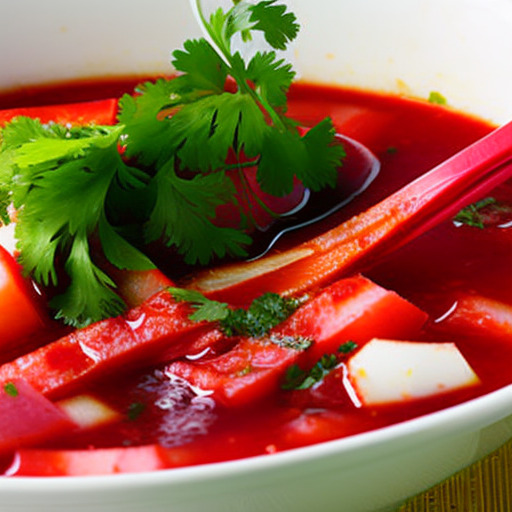
Borscht soup, pronounced “borshch,” is a staple food in Russia, Ukraine, Poland, Lithuania, and other Eastern European countries. It is a savory soup made with vegetables, meat, and sometimes dairy. The traditional recipe for borscht features beetroot as the main ingredient, which gives it its signature color and sweet flavor.
Although the history of borscht is not entirely clear, it is believed to have originated in Ukraine around the 14th century. The word “borscht” comes from the Ukrainian word “borshch,” which means cow parsnip. This plant was originally used instead of beetroot to make this soup.
The popularity of borscht spread throughout Eastern Europe in the 18th and 19th centuries. Over time, each country adapted it according to their own preferences until we have the varied recipes that are enjoyed today.
Borscht soup has become famous around the globe because of its unique taste and comforting qualities. People gravitate towards it because of its nutritious benefits as well as its rich cultural history.
Ingredients
The recipe for borscht soup requires several ingredients that need to be gathered before making it; these include;
- 2 medium beets peeled and cubed
- 1 large potato cubed
- 2 large carrots peeled and grated or cubed
- 1 onion chopped
- 2 cloves garlic minced
- 4 cups chicken or beef stock.
- 1 bay leaf
- 2 tablespoons fresh dill chopped
- Salt and black pepper to taste.
- Sour cream for serving (optional)
The Importance of Fresh Produce in Borscht
The success of a good borscht soup lies in the freshness of its ingredients. Using fresh produce will enhance the natural flavors and nutritional benefits of the soup. When making borscht soup, it is essential to pick out fresh vegetables from your local farmers’ market or grocery store for its optimal taste and texture.
Tips and Tricks for Selecting Perfect Beetroot
The choice of beetroot can make or break your borscht soup. Before you start cooking, there are a few things to consider when selecting the perfect beetroot for your soup;
- Choose small to medium-sized beets; they cook faster, which means less cooking time.
- Pick beetroots with smooth skin rather than wrinkled or rough because they’re probably old, causing wrinkles on their surface exposing past food decay.
- Avoid missing blemishes or cuts on the root as it might lead to cross-contamination once other components get in contact with it during preparation .
Directions (Traditional Recipe)
The traditional borscht recipe is straightforward and easy to follow; here are step-by-step instructions on how to make delicious borscht soup:
- Heat some olive oil in a large pot over medium-high heat.
- Sauté onions until translucent and fragrant, then add minced garlic and cook for another minute.
- Add cubed beets, potatoes, and grated carrots into the pot and mix well with the onions and garlic.
- Cover the vegetable mixture with chicken or beef stock. More stock can be added if needed to submerge all vegetables.
- Add a bay leaf and allow the ingredients to cook for about thirty minutes till soft to touch.
- Puree the soup until smooth using an immersion blender or a standing blender until you reach a smooth consistency. If using a standing blender, let the soup rest until cooled before adding to it.
- Once sufficiently smooth, return the soup to medium heat for about ten minutes.
- Add salt and pepper to taste and remove the bay leaf from the soup.
- Finish it off by stirring in fresh dill.
Cooking Borsht for Infusion of Maximum Flavor
The secret behind an excellent borscht soup is giving it time to simmer on low heat. Simmering borscht allows all the ingredients’ flavors to deepen and blend together, creating a delicious flavor profile. It’s best practice to store broth that is been slowly heated over low fire. You can be certain that letting it sit like that for around a half day would give an even richer flavor profile if you have time.
Vegetarian/Vegan/Substitutions
Borscht soup lovers who are vegetarian or vegan can still enjoy this delicious dish with some minor swaps easy substitution suggestions include:
- Substituting meat - Tofu is an excellent substitute for meat; simply dice the tofu into small pieces and add in the same way you would with chicken or beef
- Vegetable stock - vegetable stock is an excellent substitute for meat stocks, providing a rich and savory flavor.
Serving Options
Borscht soup is delicious on its own, but there are some additional serving suggestions that can add to your enjoyment. Here are a few serving options to consider;
- Sour cream - A dollop of sour cream adds a creamy texture to the soup.
- Bread - Fresh crusty bread is perfect for dipping in borscht soup.
- Dill and Scallion - Adding dill or scallion to your soup intensifies the flavor and adds a fresh fragrance to it.
- Eggs – boiled or fried eggs on top provides extra protein and a satisfying texture.
How to Store Borscht Leftovers
The key to storing leftover borscht soup is in the proper cooling process. Once cooked, let it cool down completely before transferring it into an airtight container or freezer-friendly bags. You can store it in the refrigerator for up to three days or freeze for later consumption.
Regional Variations of Borscht
Borscht is enjoyed in several Eastern European countries, but each country has a unique take on this delicious classic. Regional variations include,
- Ukrainian Borscht: It’s often made with pork or beef along with garlic.” Ukrainian borshch often gets served with pampushky, small bread rolls that are dunked directly in hot borsht before eating.
- Russian Borscht: has a different recipe. The Russian version has a thicker consistency because they use a lot of sour cream, where beetroot is boiled separately and then added to the soup with sautéed onion and garlic
- Polish Borscht: Polish borscht includes meat but the vegetables are cut into large chunks with no puree involved. It can also be served with uszka, small mushroom-filled dumplings that resemble tiny tortellini.
While there are countless variations across the region, every batch of borscht remains delicious and comforting in its unique way.
Other Vegetable Options/Borscht Like Soups in Eastern European Cuisine
Every country has its version of borscht soup made with unique ingredients. Here are other vegetable options and borscht-like soups in Eastern European cuisine that you can try if you fancy some variety;
- Solyanka- A hearty soup made with meat, pickles, tomatoes, and olives
- Kharcho - A Georgian soup made from beef or lamb broth, walnuts, and rice,
- Cold Beet Soup (Chłodnik)- A refreshing summer soup that is always served cold, made with a mix of beetroot and kefir or buttermilk.
Health Benefits of Borscht
Borscht soup is not only healthy but also packed with valuable nutrients that benefit the body. It is rich in vitamins like vitamin C, A & E, potassium, fiber, calcium & iron. These vitamins make it an excellent option for anyone looking to boost their immune system or improve their overall health.
Antioxidant Properties That Prevent Chronic Diseases
Borscht is a great source of antioxidants that help lower inflammation, boost the immune system, and prevent chronic diseases like heart diseases. The beetroot contains betalains, which are potent antioxidants that protect cells from the damaging effects of free radicals.
Historical Significance of Borscht
Borscht soup has been part of Eastern European cultures for centuries. Its history and cultural significance make borscht an essential part of many celebratory dishes; weddings, graduations and holidays.
Borscht in Pop Culture
Borscht soup has appeared in literature and pop culture over the years;
- In Fiddler on the Roof . during Shavuot, one of the characters recommends someone drinking a nice bowl of borshtch
- The book “Borscht Belt Bungalows” by Marisa Scheinfeld explores the roles that borscht played in Jewish Catskills resorts between the 1920s to 1970s.
Common Borscht Mistakes to Avoid
Despite its apparent simplicity, borscht requires some finesse when it comes to cooking it. Here are some common mistakes people make when making borscht soup:
- Overcooking vegetables - Beetroot cooks faster than other vegetables used in borscht. So adding them at different times into your pot helps get them cooked evenly till soup is done.
- Using stale produce - Using produce that’s not fresh minimizes your broth’s nutritional value and may compromise your dish’s taste quality.
- Not seasoning enough or using improper spices - Proper seasoning ensures your soup tastes well balanced with no need for adding extra butter or cream, compromising your soup’s integrity
Borscht FAQs
Is borscht a healthy soup?
Yes, borscht is healthy overall. The beets and other vegetables in the soup provide vitamins and minerals that are essential for good health.
Do I have to use beetroot? What are some substitutes?
Though beetroot is the traditional ingredient for borscht, it isn’t necessary to make a delicious version of this soup. There are vegetable-broth-based variations that use cabbage instead of beets or even chicken or beef broth.
How long can borscht last in the fridge?
You can store leftover borscht soup in an airtight container in the refrigerator for up to three days. You can freeze it for later consumption as well.
Conclusion
Borscht soup is an iconic comfort food that continues to offer unique culinary experiences, depending on its region of origin. This dish provides nutritional benefits, historical significance, pop culture relevance and a comforting taste that people worldwide appreciate. Now that you know how to make borscht soup like a pro, it’s time to gather your ingredients and enjoy its savory goodness.
7 FAQs about Borscht Recipe
1. What is borscht?
Borscht is a traditional soup that originated in Eastern Europe, with its roots in Ukraine. It typically contains beets, cabbage, carrots, potatoes, and a variety of other vegetables and seasonings.
2. How do I make borscht?
There are many variations of borscht recipes, but the basic steps involve sautéing onions and garlic in oil until softened, adding chopped vegetables and seasoning with salt, pepper, and herbs, then simmering everything together until fully cooked. Some recipes call for the addition of meat or beef broth.
3. Can I make borscht without beets?
While beets are a traditional ingredient in borscht and give it its distinct red color, it’s possible to make a delicious borscht without them. There are variations of borscht that use just cabbage or tomato as the main ingredients.
4. Is borscht vegan-friendly?
Borscht can easily be made vegan by omitting any meat or animal-based broths and relying on vegetable stock for flavor. Be sure to check individual recipes for any dairy-based ingredients like sour cream or yogurt.
5. What is the best way to serve borscht?
- Borscht is typically served hot with a dollop of sour cream and chopped dill on top.
- You can also serve it cold as a refreshing summer soup.
- Bread or crackers are great accompaniments to soak up the flavorful broth.
6. Can I freeze leftover borscht?
Yes, borscht can be frozen for up to 3 months. Let the soup cool completely before transferring it to a freezer-safe container. Leave some room at the top of the container as the soup will expand as it freezes. Thaw in the refrigerator overnight before reheating.
7. What are some variations of borscht?
- Green borscht - made with spinach or sorrel instead of beets
- Cabbage borscht - a lighter version of borscht that uses only cabbage and is usually served cold
- Tomato borscht - made with tomato juice and other vegetables like carrots and bell peppers
- Mushroom borscht - a vegetarian version made with wild mushrooms and vegetable broth