
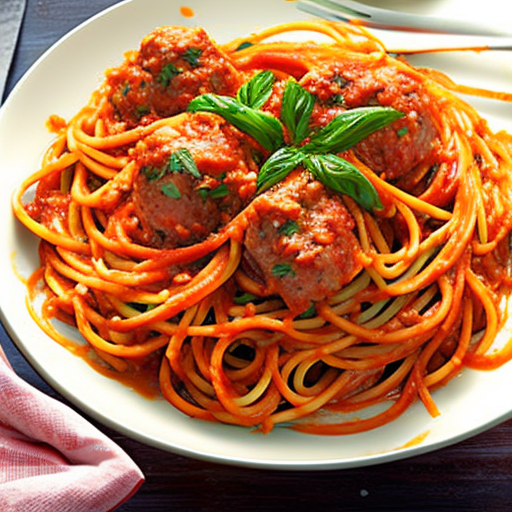
Spaghetti and Meatballs Recipe: A Classic Italian Delight
Imagine sitting down at an Italian trattoria, a plate of steaming spaghetti and meatballs placed in front of you. The aroma of rich tomato sauce, tender meatballs, and perfectly cooked pasta fills the air. It’s a classic dish that has captured the hearts and taste buds of people around the world. In this article, we will explore the history of spaghetti and meatballs, delve into the ingredients and preparation methods, provide tips for success, discuss variations and healthier alternatives, and offer serving and storage suggestions. Get ready to dive into the world of this beloved Italian delight.
History of Spaghetti and Meatballs
To truly appreciate spaghetti and meatballs, it’s essential to understand its roots. While both spaghetti (long, thin cylindrical pasta) and meatballs (ground meat seasoned with herbs, breadcrumbs, and other ingredients) are staples of Italian cuisine, their combination as a dish has an interesting history.
Spaghetti is believed to have originated in Southern Italy during the 12th century. Initially, it was consumed plain or served with simple sauces made with ingredients like olive oil, garlic, or anchovies. The art of creating pasta spread throughout Italy over the centuries, leading to various regional styles and shapes.
Meatballs, on the other hand, have a more ancient lineage dating back to ancient Middle Eastern cuisine. As trade routes expanded in medieval times, spices like cinnamon and nutmeg made their way to Italy. These aromatic spices were incorporated into ground meat mixtures that eventually evolved into what we now know as meatballs.
The marriage of spaghetti and meatballs happened during the late 19th century when millions of Italians immigrated to America in search of better opportunities. Spaghetti was readily available in America but was often enjoyed without sauce due to its affordability. However, as Italian immigrants settled and built communities, they began creating tomato-based sauces inspired by those from their home regions in Italy. These sauces became the perfect accompaniment for spaghetti.
The addition of meatballs to the dish is said to have originated in Sicily, where meatballs were commonly cooked separately from the sauce due to a lack of cooking space. However, over time, Italian-Americans began incorporating the meatballs directly into the sauce during simmering, allowing them to soak up the flavors and become even more tender.
Today, spaghetti and meatballs remain a cherished dish both in Italy and around the world, representing the melding of Italian traditions with American influences.
Ingredients
To create a delicious plate of spaghetti and meatballs, you’ll need a few key ingredients. Let’s take a closer look at each component:
1. Spaghetti
- Choosing the right type of spaghetti: Opt for dried spaghetti made from durum wheat semolina. Look for a thickness that suits your preference, whether thin for a delicate bite or thick for a heartier texture.
- Cooking instructions for al dente perfection: Bring a large pot of salted water to a boil. Add spaghetti and cook according to package instructions until it becomes al dente (firm but still tender). Be sure to stir occasionally to prevent sticking.
2. Meatballs
- Ground meat selection: Use ground beef, pork, veal, or a mix to create flavorful meatballs. The ratio of meats can vary depending on personal preference.
- Key ingredients for flavor and tenderness: Combine the ground meat with breadcrumbs (fresh or dried), eggs, grated Parmesan cheese, minced garlic, finely chopped onions, fresh herbs (such as basil or parsley), salt, pepper, and any additional seasonings you desire.
3. Sauce
- Tomato sauce preparation or using pre-made sauce: You can choose to make your own tomato sauce using fresh tomatoes, canned tomatoes, or tomato puree, along with herbs and spices. Alternatively, pre-made sauces are widely available in stores and can be customized with additional ingredients for more complexity.
- Optional ingredients to enhance flavor: Consider adding garlic, onions, red pepper flakes, oregano, basil, or other seasonings to your tomato sauce to elevate its taste.
Preparing Meatballs
Creating tender and flavorful meatballs is an art form. Let’s walk through the steps:
1. Mixing the meatball ingredients
- Ratio of meat to bread crumbs, eggs, cheese, herbs, etc.: Begin by combining the ground meat with breadcrumbs, eggs, Parmesan cheese, minced garlic, onions, finely chopped herbs, salt, pepper, and any other desired seasonings. Use your hands or a fork to mix everything together until it’s well-incorporated.
- Tips for keeping meatballs moist and flavorful: Avoid overmixing the meat mixture as it can result in tough meatballs. Instead, gently combine the ingredients just until they are evenly distributed. You can also add a small amount of milk or chicken broth to keep the meatballs moist during cooking.
2. Shaping and Size
- Techniques for forming perfectly sized meatballs: Scoop out portions of the meat mixture using a spoon or an ice cream scoop. Roll each portion between your palms to create evenly shaped meatballs. Aim for a golf-ball-sized diameter (around 1 ½ inches) for consistent cooking.
- Cooking methods for meatballs: Meatballs can be fried in oil for a crispy exterior or baked in the oven for a healthier option. Another popular method is simmering them directly in the tomato sauce for tender results.
Cooking Spaghetti and Sauce
With the meatballs prepared, it’s time to cook the spaghetti and sauce to perfection:
1. Preparing the tomato sauce
- Traditional recipe or customizing with extra ingredients: To create a classic tomato sauce, sauté onions and garlic in olive oil until translucent. Add peeled and chopped tomatoes, along with herbs such as basil and oregano. Simmer the sauce over low heat for at least 30 minutes to allow the flavors to meld together.
- Simmering duration to develop flavors: The longer you simmer the sauce, the richer and more flavorful it becomes. However, if time is limited, a minimum of 30 minutes will still yield satisfactory results.
2. Cooking spaghetti
- Water boiling methods for perfectly cooked pasta: Bring a large pot of water to a rolling boil. Add salt to season the pasta as it cooks. Place the spaghetti into the boiling water and cook according to package instructions for al dente perfection.
- Addition of salt and oil in water: Salt enhances the flavor of pasta, so don’t be afraid to add a generous amount to the boiling water. Some people also add a splash of oil (such as olive oil) to prevent sticking, though it’s not necessary.
3. Combining spaghetti and sauce
- Tossing to ensure even coating of sauce on pasta: Once the spaghetti is cooked, drain it well and immediately transfer it to a large serving bowl or individual plates. Ladle some tomato sauce over the spaghetti, then toss gently using tongs or a fork to evenly coat each strand with sauce.
Bringing it all together
Now that all elements are ready, it’s time to bring everything together for a delightful meal:
- Serving suggestions for spaghetti and meatballs: Serve a generous portion of spaghetti topped with meatballs and an extra ladle of tomato sauce. Garnish with freshly grated Parmesan cheese and a sprinkle of chopped herbs for added freshness.
- Additional accompaniments like garlic bread or salad: Complete the meal by serving garlic bread on the side to mop up any remaining sauce. A crisp green salad can also add a refreshing contrast to the hearty flavors of the spaghetti and meatballs.
Tips for Success
Achieving the perfect spaghetti and meatballs requires attention to detail. Here are some tips to make it a success:
1. Seasoning and tasting throughout the cooking process: Taste your sauce and meatball mixture as you go along, adjusting seasoning as needed. This ensures a balanced and flavorful end result.
2. Avoiding common mistakes like overcooking pasta or dry meatballs: Be mindful of cooking times both for the pasta and meatballs. Overcooked pasta can turn mushy while overcooked meatballs may become dry and tough.
3. Time-saving tips for meal preparation: To save time, prepare your meatball mixture in advance and refrigerate it until ready to shape and cook. You can also make a larger batch of sauce and freeze individual portions for future meals.
Variations and Customizations
While the classic recipe is undoubtedly delicious, there are various ways to customize spaghetti and meatballs according to individual preferences:
1. Vegetarian or vegan options: Replace ground meat with plant-based alternatives like lentils, mushrooms, or textured vegetable protein to create vegetarian or vegan meatballs that still offer texture and flavor.
2. Gluten-free alternatives: Substitute regular spaghetti with gluten-free spaghetti made from grains like rice, corn, quinoa, or legumes such as chickpeas.
3. Adding personal flair with unique ingredients or spice combinations: Experiment with different herbs, spices, cheeses, or even unexpected ingredients like sundried tomatoes or cooked spinach to add your own twist to the dish.
Healthier Alternatives and Modifications
For those seeking healthier alternatives or modifications, here are a few options to consider:
1. Leaner meat options or meat substitutes: Opt for lean ground meat choices like turkey, chicken, or game meats to reduce fat content. Alternatively, explore meat substitute products made from soy, peas, or seitan.
2. Using whole wheat pasta or vegetable-based spaghetti alternatives: Replace traditional white pasta with whole wheat varieties to increase fiber content. Alternatively, experiment with vegetable-based noodles made from zucchini, carrots, or butternut squash for lower carb options.
3. Low-sodium or sugar-free sauce options: Look for low-sodium canned tomatoes or tomato puree and choose no-added-sugar sauces. This allows you to control the salt and sugar content in your dish while still enjoying the flavors of the sauce.
Serving and Storing
To ensure an enjoyable dining experience and proper preservation:
- Ideal plating techniques for a visually appealing dish: Position the spaghetti neatly on a plate, top it with some meatballs, and spoon additional tomato sauce over it for an attractive arrangement. Garnish with freshly grated Parmesan cheese and herbs.
- Storing leftovers in refrigeration or freezing: Leftover spaghetti and meatballs can be stored separately in airtight containers in the refrigerator for up to three days. Alternatively, freeze them for longer-term storage by placing individual portions in freezer-safe bags or containers.
Conclusion
In conclusion, spaghetti and meatballs is a timeless Italian dish that has captured the hearts and taste buds of people around the world. With its humble origins and adaptation over time, this classic combination remains a favorite in Italian households and restaurants alike. By understanding the history of the dish, selecting high-quality ingredients, following proper preparation methods, and exploring variations and healthier alternatives, you can create a satisfying plate of spaghetti and meatballs that will transport you to the trattorias of Italy. So why not pick up your apron, gather the ingredients, and embark on a culinary adventure? Buon appetito!
Frequently Asked Questions about Spaghetti and Meatballs Recipe:
How long does it take to cook spaghetti and meatballs?
Cooking spaghetti and meatballs takes around 30-45 minutes. It depends on the size of the meatballs, the thickness of the sauce, and how long you cook the pasta. To make sure your spaghetti is perfectly al dente, follow the instructions on the package and taste it frequently during cooking.
What kind of meat should I use to make meatballs?
You can use ground beef, pork, turkey, or a combination of these meats. Beef is the most popular choice because it has a rich flavor that pairs well with tomato-based sauces. If you prefer a lighter option, you can use ground turkey or chicken instead.
Can I make spaghetti and meatballs ahead of time?
Yes, you can make spaghetti and meatballs ahead of time. You can prepare the meat mixture and form the balls a day before cooking. Store them in an airtight container in the fridge until ready to cook. You can also make the sauce ahead of time and freeze it for up to three months. When ready to serve, reheat the sauce on low heat while cooking the pasta and meatballs.
What should I serve with spaghetti and meatballs?
Spaghetti and meatballs is a filling meal by itself, but you can also serve it with garlic bread, a side salad, or roasted vegetables. For a more Italian-inspired meal, serve it with antipasto platter consisting of prosciutto di Parma, salami, mozzarella cheese, olives, roasted peppers, and artichokes marinated in olive oil and herbs.