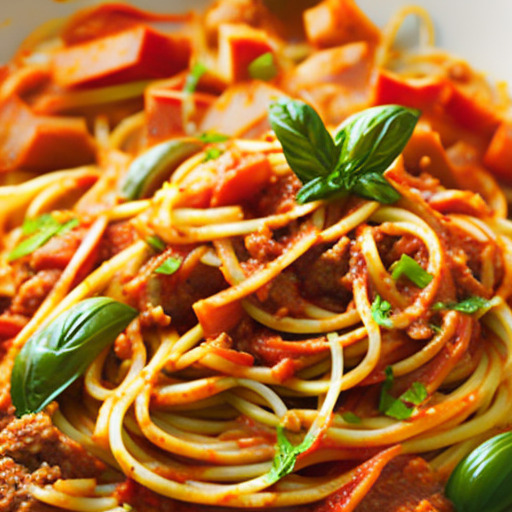
spaghetti recipe
Introduction
Spaghetti has always been a favorite for people who love pasta. The dish is easy to prepare and can be customized in so many ways to suit different preferences. This article will provide you with a step-by-step guide on how to make the ultimate spaghetti recipe at home, along with variations and customizations based on dietary preferences.
Brief History of Spaghetti
Spaghetti originated in Italy and became popular all over the world by the 20th century. The word “spaghetti” comes from the Italian word “spago,” meaning string or twine, which describes the long and thin pasta. It is made from wheat flour, water, and sometimes eggs, which are kneaded together and rolled out into thin strands before being dried or cooked. Today, spaghetti is a staple food in many countries and is enjoyed by millions of people globally.
What Makes This Recipe Special?
The Ultimate Spaghetti Recipe is special because it uses fresh ingredients that are carefully selected to enhance the flavor of the dish. The sauce is cooked slowly over low heat to ensure that all the flavors get to blend properly. Additionally, we will provide tips on how to avoid common mistakes when preparing spaghetti, ensuring that you end up with a delicious meal every time.
Ingredients
- 1 pound spaghetti noodles
- 1 tablespoon salt
- 1 tablespoon olive oil
- 1 pound ground beef (or lentils for vegetarian option)
- 1 onion, diced
- 4 cloves garlic, minced
- 2 cans of crushed tomatoes (28 oz each)
- 1 teaspoon dried basil
- 1 teaspoon dried oregano
- 1/4 teaspoon red pepper flakes
- 1 teaspoon salt
- 1/2 teaspoon black pepper
- 1/4 cup grated Parmesan cheese
Optional Substitutions and Additions
- If you don’t have spaghetti noodles, you can use any long pasta, such as fettuccine or linguine.
- For a vegetarian option, replace the ground beef with cooked lentils or mushrooms.
- If you like spicy food, add more red pepper flakes to the sauce.
Preparation
How to Measure and Mix Ingredients
Before starting, measure out all your ingredients to ensure that you have everything you need. In a large pot, boil 6 quarts of water with one tablespoon of salt and one tablespoon of olive oil. While the water is heating up, start preparing the sauce.
Tips for Preparing Noodles
To get perfectly cooked spaghetti noodles, follow these tips:
- Add the noodles to the boiling water and stir occasionally to prevent them from sticking together.
- Cook the noodles for 8-10 minutes or until they are al dente (firm but not hard).
- Once the noodles are cooked, drain them in a colander and rinse them with cold water to stop the cooking process.
Explanation of the Importance of Using Fresh Ingredients
The flavor of your spaghetti will mostly depend on the quality of your ingredients. Therefore, always use fresh vegetables and herbs when making the sauce. This way, the flavors will be richer and more vibrant than when using canned products.
Cooking
Step-by-Step Cooking Instructions
- In a large skillet, cook the ground beef over medium-high heat until browned and cooked through. Drain any excess fat.
- Reduce the heat to medium and add the onion and garlic to the skillet. Cook, stirring often, for about 5 minutes or until the onion is soft and translucent.
- Add the crushed tomatoes, basil, oregano, red pepper flakes, salt, and black pepper to the skillet. Stir well and let it simmer over low heat for about 20-30 minutes.
- Cook the spaghetti noodles according to the instructions above.
- Add the cooked pasta to the skillet with sauce and toss it together until well combined.
- Serve your spaghetti hot with Parmesan cheese on top.
Tips for Optimal Cooking Times
It is important to keep an eye on your sauce while it’s simmering so that it does not dry out. To avoid overcooking your spaghetti noodles or having them stick together, make sure you don’t leave them in boiling water for too long. 8-10 minutes is perfect for most brands of noodles!
How to Cook the Sauce
The sauce is the heart of any spaghetti dish. There are two types of sauces: meat-based and vegetarian. Meat-based sauces typically use ground beef or sausage as their protein source while vegetarian versions may incorporate elements such as lentils or mushrooms in place of meat. Here are instructions for making a perfect sauce:
Mea-Based Sauce
- In a large skillet over medium-high heat, cook one pound of ground beef until browned thoroughly. Drain any excess fat.
- Add the onion and garlic to the skillet. Cook for 5-7 minutes or until the onion becomes translucent.
- Stir in two cans of crushed tomatoes (28 oz each), one teaspoon of dried basil, one teaspoon of dried oregano, one-fourth teaspoon of red pepper flakes, salt, and black pepper.
- Let it simmer over low heat for 20-30 minutes, stirring occasionally.
Vegetarian Sauce
- In a large skillet over medium heat, add 1 tablespoon of olive oil. Once hot, add onions and garlic and cook for about 5-7 minutes until the onion is soft and translucent.
- Add in red lentils, mushrooms, or other plant-based protein for a protein source that will mimic ground beef’s texture.
- Cook with tomatoes and spices until everything is well combined, about 20-30 minutes.
Serving and Presentation
Tips on How to Serve Spaghetti Properly
The best way to serve spaghetti properly depends on personal preference; however, there are some tips that can help make your spaghetti dish more enjoyable:
- Use a large serving platter or bowl that will allow easy tossing of the spaghetti with sauce.
- Add parmesan cheese on top of the hot spaghetti immediately before serving for an authentic Italian feel.
Garnishes That Can Be Added
You can elevate your spaghetti dish’s presentation by garnishing the top with fresh herbs such as basil or parsley. Fresh bread or garlic knots make perfect sides for this pasta dish as well!
Presentation Ideas
A great idea is to serve your spaghetti with meatballs on the side. A Caesar salad or a garlic bread side dish works well too.
Storage and Leftovers
Suggestions for Storing Leftover Spaghetti Correctly
To store leftover spaghetti, transfer it to an airtight container and refrigerate it until needed.
Timeframe for Safe Storage
Spaghetti can be stored in the refrigerator for up to 5 days. If you don’t want to give up leftovers after five days, consider freezing your spaghetti sauce for up to three months.
Reheating Options
You may reheat the spaghetti by microwaving it or reheating it on the stove in a non-stick skillet over medium heat.
Serving Size and Nutritional Information
How Much Spaghetti Serves Each Person
The ideal serving size for spaghetti is between 75-100g per person, depending on personal preference. This recipe should provide around 4-6 servings of spaghetti.
Explanation of Nutritional Information (Calories, Fat, Protein, Carbs)
The nutritional information provided below is based on one serving (100g) of spaghetti with meat sauce:
| Calories | Fat | Protein | Carbs |
|---|---|---|---|
| 223 Calories | 9 g Fat | 14 g Protein | 21 g Carbs |
Variations and Customizations
Options for Customization Based on Dietary Preferences
Here are some ways to customize spaghetti to suit your dietary preferences:
- For individuals with gluten sensitivities, choose gluten-free noodles instead of regular pasta.
- If you follow a plant-based diet, swap the meat-based sauce for a hearty vegetable sauce, using roasted tomatoes and onions as a base.
Spicing up the Flavor
You can add braised vegetables such as broccoli, zucchini, and yellow squash to your spaghetti dish to give it an extra flavor boost. Add julienned bell peppers and carrots or try topping off your spaghetti with roasted garlic.
Common Mistakes to Avoid
When making spaghetti, it is inevitable to make mistakes. Here are some common mistakes and how you can avoid them:
- Overcooking the pasta or sauce can lead to tough noodles and a sauce that loses its flavor. To avoid this, keep an eye on your pasta and refer to the cooking instructions.
- Adding too much salt or other seasonings can accidentally ruin the recipe’s balance of flavors. It’s best to add things slowly, one at a time, then do a taste test before adding anything else in.
Recipe FAQs
Can I Use Different Types of Noodles?
Yes! Spaghetti is only one type of long pasta that is generally used for this dish. Other types such as fettuccine or linguine may be used as well.
What is the Best Way to Store Leftover Sauce?
The best way to store leftover sauce is by transferring it to an airtight container and keeping it in the refrigerator for up to five days.
Conclusion
Spaghetti is one of the easiest and most delicious meals you can make. It’s a comforting and filling option that is perfect for dinner time! By following this guide, you will have all the knowledge needed to create a perfect spaghetti dish every time.
Remember to experiment with different flavors, textures, and presentation styles to perfect your preferred spaghetti dish. Bon Appetit!
Frequently Asked Questions About Spaghetti Recipe
1. What ingredients are needed for spaghetti?
You will need pasta (spaghetti), olive oil, garlic, onion, ground beef, tomatoes, tomato paste, salt, black pepper, and grated Parmesan cheese.
2. How do I prepare the spaghetti?
a. Boil the spaghetti
- Bring a large pot of salted water to a boil
- Cook spaghetti according to package directions
- Drain and reserve 1 cup of the pasta water
b. Prepare the sauce
- Heat olive oil in a large skillet over medium-high heat
- Add onion and garlic, sauté for few minutes until golden brown
- Add ground beef and cook until browned, stirring occasionally
- Stir in tomatoes and tomato paste
- Cook until sauce is thick and bubbling
- Season with salt and black pepper to taste
- Add reserved pasta water to thin sauce if it’s too thick
3. Can I substitute ground beef with other meats?
You can use ground turkey or chicken instead of beef. You can also make a vegetarian version by skipping the meat altogether or using soy “meat” crumbles.
4. How do I prevent the spaghetti noodles from sticking together?
Avoid adding oil to the boiling water. Instead, add enough salt (1-2 teaspoons) to the pot of boiling water before adding the pasta. Stir occasionally while cooking, and when it’s done, drain the pasta quickly rather than letting it sit in the water.
5. Can I use canned instead of fresh tomatoes?
Yes, you can substitute fresh tomatoes with canned tomatoes. Make sure to use good quality canned tomatoes with no added preservatives or sugars and adjust the amount of salt accordingly.
6. How long does it take to prepare spaghetti?
It takes around 30-40 minutes to prepare spaghetti.
7. How do I store leftover spaghetti?
You can store leftover spaghetti in an airtight container in the refrigerator for up to 4 days.