roast beef recipe
Roast Beef Recipe: How to Cook the Perfect Beef Roast
Roast beef is a classic dish that’s been around for centuries. It’s a perfect centerpiece for holiday celebrations and special occasions. The rich, juicy flavors make it an all-time favorite. A well-cooked roast beef should be tender and flavorful on the inside with a perfectly crisp outer layer.
In this article, we’ll discuss all the tips and tricks to cook the perfect roast beef every time. We’ll explain the best cuts of meat to use, how to prepare the meat, different cooking methods and temperatures, serving suggestions, and more.
Introduction
Roast beef has been enjoyed by meat eaters worldwide for centuries. The dish is simple yet classic. Using high-quality meat is important for achieving the perfect roast beef. However, choosing the right cut of meat can be confusing due to many options available.
When it comes to roasting meat, not all cuts are created equal. Ideally, you want a cut with plenty of fat marbling throughout so that it remains juicy while cooking but doesn’t have too much excess fat that will result in grease or tough back muscle tissue. Some popular moo-cuts are ribeye, tenderloin, sirloin tip roast or ball roast. You can accommodate any preference with each cut saving money as per your budget.
Importance of Choosing High-Quality Meat
It’s crucial to choose high-quality meat from a reputable butcher or supplier. Buying cheaper cuts will save you money but may not produce the desired outcome.
Poor quality meat will not provide ample flavor and tenderness and could go dry in case overcooked during roasting. So, buying an adequately marbled top-quality piece of natural or organic beef shall make up for the taste and flavor gap. Also, make sure you follow appropriate storage guidelines like wrapping carefully and storing in a cool and dry place to keep the meat fresh for longer.
Preparing the Meat
Once you’ve chosen your beef cut, it’s time to prepare it. Here are some steps to follow while preparing your meat:
Trimming
The first, most significant step is trimming excess fat and silver skin. An excess amount of fats melting during high heat roasting could leave an oily aftertaste and overpowering the dish flavor-wise. Also, silver skin or connective tissue is difficult to bite and ruin the tender feel of the meat. Using a sharp knife will reduce unnecessary wastage and give your roast beef a refined end product.
Tying the Meat
After trimming, tie the roast properly so that it cooks evenly during roasting. Using kitchen twine makes it easy to tie up your roast beef precisely in its more compact shape. In this way, even-sized cooked pieces will remain moist inside evenly throughout at under 25°F temperature after preparation.
Seasoning
Roast beef does not require many things as just salt and black pepper seasoning will do the trick for most beef cuts providing the flavors required. A few other flavors can take advantage of Rubs blended with natural herbs like rosemary parsley, thyme or fennel seed that release their flavors slowly over slow-roasting time or play with more exotic seasonings like cumin-based Mehndi spice blends, Harissa pastes or Ethiopian Berbere rubs, which appeal if experimenting with fusion flavors.
Cooking Methods
There are two basic methods of cooking roast beef: oven roasting and slow cooking or crockpot. While both methods have their unique advantages, final taste preferences can be purely subjective.
Oven Roasting
Oven roasting provides that classic crispy brown crust on the top while preserving the inner aroma of salty, juicy meat.
Here are some steps to prepare roast beef using the oven roasting method:
1. Preheat the oven to 450°F for at least five minutes.
2. Place the seasoned beef cuts in a roasting pan and roast according to its preferred temperature measure based on meat weight - 25-30 minutes per pound at the initial cooking time and then reduce heat to 350°F that depends on how you like your meat cooked.
3. To make sure you get your preferred doneness level, insert a meat thermometer in the middle part of your roast beef, not too close to any bones for accuracy.
4. Once you reach your pre-planned temperature setpoint, remove them from heat and leave it aside for 10-15 minutes, where naturally occurring juices will absorb inside.
5. Cut into serving sizes using sharp blades after the resting period and serve hot with preferred sides
Slow Cooking or Crockpot
Slow cooking or crockpots are useful in achieving optimal juicy flavorful roast beef. Here are some steps to prepare roast beef using this method:
1. Firstly pat dry beef cuts and sprinkle salt over them.
2. Add the vegetables to crockpot bottom layer like carrots onion garlic and whichever vegetables tickle your fancy
3. After placing all ingredients in the crockpot, add beef broth mixed with water till three-fourths full
4. Set crockpot temperatures on low setting for up to twelve hours.
5. Take care of turning it occasionally after six hours so that even cooking occurs on all sides
6. Turn up Temperature to High for last hour before serving as that shall lead to outer layer browning better
Serving Suggestions
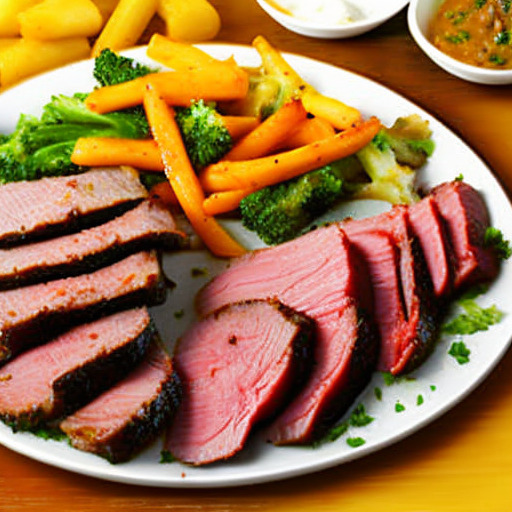
Roast beef is commonly served alongside traditional holiday dishes such as mashed potatoes coupled with an array of side dishes and sauces. Here are some popular side dishes, gravy recipes, and beverages to pair with your roast beef dinner.
Side Dishes
- Roasted vegetables such as carrots, parsnips, green beans, or Brussel sprouts.
- Baked potatoes or potato gratin
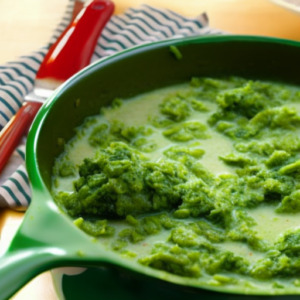
- Creamed spinach or asparagus
- Yorkshire puddings as per choice
Gravy Recipes
- Classic beef gravy made with cooking juices mixed with flour or cornstarch slurry
- Mushroom sauce made by sauteing mushrooms and garlic in butter or oil then adding them to the beef gravy recipe plating.
- Horseradish sauce coupled with freshly grated horseradish root with a hint of sugar apple or cranberry tastes delicious, also homemade dressing comprising sour cream mayonnaise and herbs
Beverages
Red wines like Pinot Noir Malbec or Cabernet Sauvignon can aid the flavors of all cuts. Ginger beer accompanied with lime juice and vodka mixes well with roast beef flavor-wise. For less alcoholic options, sparkling cider or lemonade works well.
Tips & Tricks
Here are some additional tips that might help you achieve the perfect roast beef:
Storing Leftovers
Make sure to store leftover Roast beef tightly-wrapped at a suitable temperature below 40°F in the refrigerator. You can use those items in sandwiches, salads, bread in blanket; These serve as quick energy-fixers for breakfast on the next day.
Alternative Seasonings and Rubs
Mixing and matching Rubs is an ideal way to provide different flavors based on dietary preferences. Experimenting shall yield unique regional fusion blends basing on personal preference
Reheating Roast Beef
Placing chilled beef cuts in a baking dish, adding a bit of water or beef broth until half the cut covered and covered, returned into oven 325°F for up to 30 minutes is the standard practice to revisit the roast beef flavors.
Perfectly Cooked Roast Beef Every Time
Always maintain an optimal temperature while preparing. Be patient, and avoid overcooking them, causing dryness in taste or undercookedness leading on uncooked chewy meat.
Conclusion
Roast beef is a classic dish that doesn’t require any kitchen magic. Choosing High-quality cuts and seasonings coupled with proper cooking methods can make it perfect every time. So chose your favorite cut and try out different flavors to find your personal style. With all the tips and tricks discussed in this article, you’ll have everything needed to cook the perfect roast beef every time.
Frequently Asked Questions about Roast Beef Recipe
How do I choose the right cut of beef?
If you want to make a succulent and flavorful roast beef, you should select a cut that is well-marbled with fat, such as rib roast or sirloin tip. These cuts have enough fat to keep the meat moist and impart flavor. Make sure to ask your butcher for advice.
Should I marinate my beef before cooking?
It’s not necessary to marinate your beef for a long time, especially if you are using a high-quality cut. However, if you want to add some extra flavor, you can marinate the meat in a mixture of wine, herbs, and spices for a couple of hours before cooking.
What temperature should I cook my roast beef?
The ideal temperature for roast beef is 325°F (160°C). This will cook the meat evenly and help it retain its juices. Use a meat thermometer to check the internal temperature of the beef as it cooks. Aim for 135°F (57°C) for medium-rare, 145°F (63°C) for medium, and 155°F (68°C) for well-done.
How long should I let my roast beef rest before slicing?
It’s crucial to let your roast beef rest for at least 15-20 minutes after cooking before slicing it. This allows the juices to redistribute throughout the meat and ensures that it stays moist and tender.
What are some good sides to serve with roast beef?
- Mashed potatoes
- Roasted vegetables (such as carrots, broccoli, or Brussels sprouts)
- Green beans almondine
- Creamed spinach
- Yorkshire pudding
Can I freeze my leftover roast beef?
Yes, you can freeze your leftover roast beef for up to three months. Make sure to slice it thinly and wrap it tightly in plastic wrap or foil before placing it in a freezer bag. Thaw it in the refrigerator before reheating.
What can I do with my leftover roast beef?
- Slice it thinly and make sandwiches
- Add it to a salad
- Make a beef pot pie
- Create a stir-fry with vegetables
- Use it as a topping for pizza