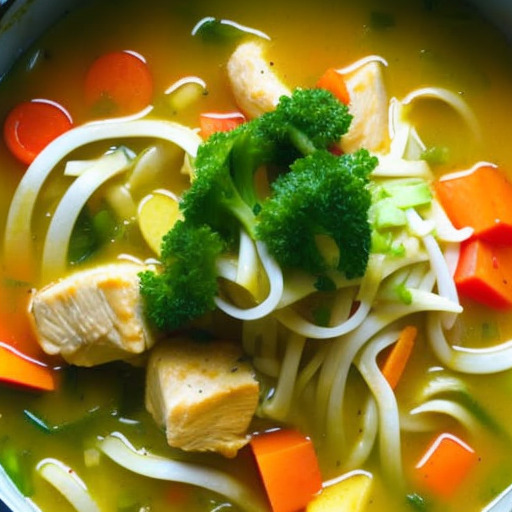
chicken noodle soup recipe
Chicken Noodle Soup Recipe: A comforting and hearty meal for cold nights
Chicken noodle soup is a classic comfort food that warms the heart and soul. It’s no surprise that it’s a staple in households during the colder months. The combination of tender chunks of chicken, silky noodles, and savory broth is nothing short of a hug in a bowl. This article will guide you on how to make the perfect chicken noodle soup, with tips on choosing ingredients, cooking techniques, and serving suggestions.
History of Chicken Noodle Soup
The origins of chicken noodle soup can be traced back to ancient civilizations. Egyptians used chicken soup as a remedy for respiratory illnesses, while the Greeks used it as a digestive aid. Chicken noodle soup became mainstream in the United States in the late 1800s when commercialized canned soups made their debut. The popularity grew even more during World War II when soldiers were served canned chicken noodle soup as a source of nourishment.
Ingredients
Here’s what you’ll need:
- 1 whole chicken (or bone-in chicken pieces)
- 12 cups of water (or store-bought broth)
- 2 cups of egg noodles (or any pasta of your choice)
- 1 large onion, chopped
- 3 carrots, peeled and sliced into rounds
- 3 celery stalks, sliced
- 4 cloves of garlic, minced
- 1 tbsp. olive oil
- Salt and pepper to taste
- Fresh or dried herbs (optional)
When picking out your ingredients, it is important to choose high-quality products. Use organic vegetables and pasture-raised or free-range chicken if possible. Opt for whole-grain or gluten-free noodles if you are health-conscious or have any dietary restrictions.
Preparing the Broth
The foundation of any chicken noodle soup is the broth. Here’s how to make the perfect one:
- Place the chicken (or chicken pieces) in a large pot and cover it with water (or broth).
- Bring it to a boil and then reduce the heat to medium-low. Let it simmer for one hour or until the chicken is cooked through.
- Remove the chicken from the pot and set it aside on a cutting board.
- Strain the broth through a fine mesh strainer into another pot or container. Discard any solids left in the strainer.
If you are using store-bought broth, skip step one and move on to step two. To enhance its flavor, you can add a bay leaf, dried thyme, or parsley while simmering.
Adding Flavor to the Broth
To elevate the taste of your broth, you can add additional flavors such as:
- 1-inch piece of ginger root, peeled and sliced
- 1 star anise pod
- 1 cinnamon stick
- Soy sauce or tamari for a touch of umami
- Cumin seeds for a smoky flavor
- Fresh lemon juice to brighten up the broth
Add these ingredients just before step three and let them simmer for an additional 10-15 minutes. Be mindful of the flavor profile you want to achieve; start with a small amount and adjust accordingly.
Cooking Chicken
For the chicken, there are a few methods to choose from:
- Bone-in chicken: This option adds more flavor and richness to the broth. It takes longer to cook, so plan accordingly.
- Boneless chicken: It’s quicker to cook and easier to shred or cube. However, it lacks the added depth that bone-in chicken provides.
- Rotisserie or pre-cooked chicken: It’s an easy shortcut but may not taste as fresh or have as much flavor as cooking it yourself.
Choosing the Right Noodles
The type of noodles you use is entirely up to you. Traditional egg noodles are a classic choice, but you can also use any pasta of your liking. Here are some other options:
- Ramen or udon noodles for an Asian-inspired twist.
- Rice noodles for gluten-free and low-carb options.
- Quinoa pasta or chickpea pasta for protein-rich alternatives.
Tips for Cooking Noodles to Perfection
It is crucial that you cook the pasta separately from the soup to prevent it from becoming too mushy. Follow these steps:
- Bring a pot of water (salted or unsalted) to a rolling boil on high heat.
- Cook your noodles according to package instructions until al dente (or slightly undercooked). This prevents them from getting too soft when added to the hot soup.
- Once done, drain and rinse the noodles with cold water to stop the cooking process.
- Add the noodles to the pot of soup just before serving. This allows them to soak up some of the broth for added flavor.
Adding Vegetables & Spices
Adding vegetables and spices can make a world of difference in your chicken noodle soup. Here are some popular options:
Vegetables Commonly Used in Chicken Noodle Soup and How to Prepare Them
- Carrots: Peel and slice into rounds or chop into small pieces.
- Celery: Slice into thin pieces.
- Onion: Chop into small pieces.
- Garlic: Mince or chop finely.
- Mushrooms: Wipe clean with a damp cloth and slice thinly.
- Kale or Spinach: Wash well, remove stems, and chop roughly or use baby greens as is.
Add them to the pot during the last 20-30 minutes of cooking. This ensures that they don’t get too soft and retain their texture.
Recommended Spices and Herbs to Add Flavor to the Soup
- Basil: Chopped fresh or dried leaves add a vibrant aroma and taste.
- Oregano: Dried oregano works wonders in meat dishes like chicken noodle soup.
- Toasted Sesame Seeds: Sprinkle on top for added crunch and nuttiness.
- Rosemary: Fresh rosemary adds an earthy flavor that pairs well with chicken.
- Bay Leaves: Add one whole leaf to the pot for a subtle underlying flavor.
- Thyme: Both dried and fresh thyme give a savory, herbaceous flavor to the soup.
Bringing It All Together
Once you’ve cooked your broth, chicken, and noodles, it’s time to assemble the soup. Follow these steps:
- Shred or cube the cooked chicken and set it aside.
- In another pot (or back in the same pot), heat olive oil over medium heat. Add chopped onion and minced garlic, cook until translucent but not browned (about 5 minutes).
- Add sliced carrots and celery. Continue cooking for another 5-7 minutes until they are tender but still have some bite.
- Pour in the strained broth and bring it to a simmer.
- Add the cooked chicken back into the pot along with any other vegetables or spices you may want to add.
- Simmer for another 10-15 minutes. Season with salt and pepper to taste as needed.
- Add the cooked noodles to the soup just before serving.
Making It Creamy
If you’re craving a creamier version of chicken noodle soup, there are several options:
- Cream: Add heavy cream or half-and-half at the end of step six in place of water for a richer, more indulgent taste.
- Cheese: Grate parmesan cheese over each bowl before serving for added tanginess and umami flavor.
- Coconut Cream: For a vegan or dairy-free option, use coconut cream instead of heavy cream.
Slow Cooker & Instant Pot Recipes
If you prefer a hands-off approach to cooking, a slow cooker or Instant Pot is an excellent option. Follow these tips:
Cook Times for Slow Cooker or Instant Pot Recipes
- Slow Cooker: Cook on low heat for 6-8 hours (or high for 3-4 hours).
- Instant Pot: Cook on high pressure for 10 minutes with a quick release.
The method is the same as making chicken noodle soup on the stovetop; only the vessel changes. Be sure to follow your specific device’s instructions carefully.
Leftover Ideas
If you have any leftover soup, you have many options:
- Reheat and enjoy again the next day.
- Store in sealed containers and freeze for up to six months.
- Use it in casseroles or pot pies in place of chicken broth or stock.
- Puree it into a smooth and velvety sauce to serve with meats or pasta dishes.
Creative Recipes that Incorporate Leftover Soup as an Ingredient
- Add cooked rice to leftover soup and stir-fry for a unique twist on fried rice.
- Mix leftover soup with cooked lentils or beans as a protein-rich lunch salad.
- Bake leftover soup into a savory bread pudding with eggs and cheese.
Serving Suggestions
Garnish Recommendations
- Fresh parsley or cilantro.
- Thinly sliced green onions or chives.
- A dollop of sour cream or Greek yogurt for a tangy taste.
- Crispy croutons or crackers for added texture.
Pairing Ideas
- A crusty bread or bubbly garlic bread.
- A simple green salad with lemon vinaigrette dressing.
- A glass of white wine or a light beer to complement the flavors of the soup.
Conclusion
Chicken noodle soup is an age-old recipe that brings comfort and nourishment to people all around the world. It’s easy to make and incredibly satisfying, with endless possibilities for customization. Whether you follow this recipe step-by-step or put your spin on it, you’re sure to enjoy a heartwarming bowl of chicken noodle soup.
Frequently Asked Questions about Chicken Noodle Soup Recipe
1. How long does it take to cook chicken noodle soup?
The preparation time for the soup is approximately 10-15 minutes, and the cooking time can take anywhere from 20-30 minutes.
2. Can I use any type of chicken in my recipe?
Yes, you can use bone-in, skin-on chicken thighs or breasts, or even leftover roasted chicken.
3. What type of noodles are best for chicken noodle soup?
Egg noodles or pasta shells work well in this recipe. However, if you have a preference, feel free to experiment with other types of pasta shapes.
4. How do I make my soup more flavorful?
You can try adding aromatics such as garlic, onion, or celery to your soup base. Additionally, seasoning the chicken with salt and pepper before cooking it can add more depth of flavor to the dish.
- Add fresh herbs like thyme and parsley for an extra layer of flavor.
- Towards the end of cooking soup add a dash of lemon juice to brighten up flavors.
5. Can I make my soup ahead of time?
Yes, you can prepare the soup in advance and store it in an airtight container in the refrigerator for up to 3-4 days.
6. What toppings can I add to chicken noodle soup?
You can top off your bowl with croutons, chopped parsley, or fresh dill. A sprinkle of grated Parmesan cheese also adds a nice touch.
7. Can I freeze Chicken Noodle Soup?
Yes, you can freeze chicken noodle soup in an airtight container for up to 3-4 months. But make sure that noodles are bit undercooked and have some firmness in them, because there is a tendency to overcook while reheating.
- To store and freeze soup use silicon muffin pan to portion individual servings in smaller quantity.
- To thaw the frozen soup place it on the refrigerator overnight and reheat on the stove top till it reaches simmer again.