white cake recipe
The Ultimate White Cake Recipe: A Step-by-Step Guide
White cake is a classic dessert that never goes out of style. Whether it’s for a special occasion or just a sweet treat, nothing compares to the light and fluffy texture of a perfectly made white cake. In this article, we will share with you our ultimate guide to making the perfect white cake.
Introduction
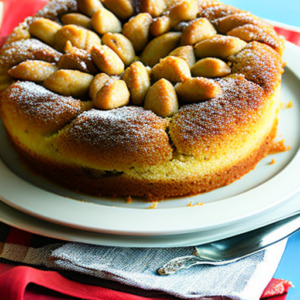
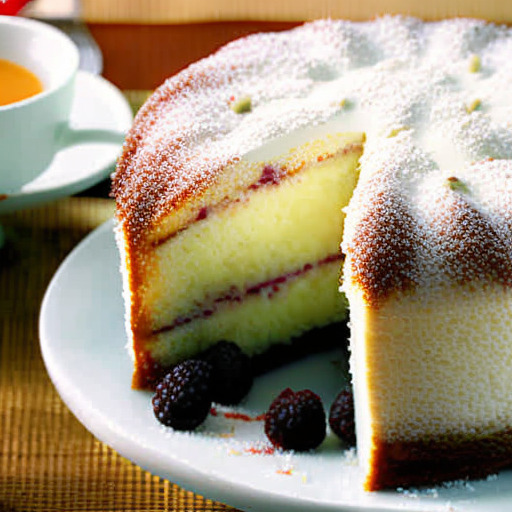
White cake is a simple yet elegant dessert that has been enjoyed for generations. It’s made with basic ingredients such as flour, sugar, eggs, and vanilla, yet it’s both delicious and versatile. You can dress it up with frosting or keep it simple with just a dusting of powdered sugar. White cake can be enjoyed by anyone who loves sweets.
Ingredients
To make the perfect white cake, you’ll need the following ingredients:
- 1 ¾ cups of all-purpose flour
- 1 tablespoon of baking powder
- ½ teaspoon of salt
- ½ cup of unsalted butter (room temperature)
- 1 cup of granulated sugar
- 2 large eggs (room temperature)
- 2 teaspoons of pure vanilla extract
- 1 cup of whole milk (room temperature)
For optional add-ins, you can include 1 cup of shredded coconut or 1 cup of chopped strawberries. You can also substitute the whole milk with almond milk or coconut milk for a dairy-free option.
Tips for ingredient selection and preparation:
- Make sure all ingredients are at room temperature before starting.
- You can measure the flour by spooning it into your measuring cup and leveling it off to ensure accuracy.
- Sift the dry ingredients together to remove any lumps.
- Cream the butter and sugar together until light and fluffy.
Tools and Equipment
To make a white cake, you’ll need the following tools and equipment:
- Baking pans (8-inch round)
- Mixing bowls and utensils
- Measuring cups and spoons
- Electric mixer
- Cooling racks
- Frosting bags or spatulas
- Other essentials like parchment paper, cooking spray, and a wire whisk.
Preparation
Preparing the Oven and Pans
Preheat your oven to 350°F (180°C) and prepare your baking pans. Line them with parchment paper or coat them with cooking spray.
Making the Batter
To make the batter:
- In a medium bowl, sift together the flour, baking powder, and salt. Set aside.
- In a separate bowl, cream together the butter and sugar until light and fluffy using an electric mixer.
- Add in the eggs, one at a time, beating well after each addition.
- Stir in the vanilla extract.
- Add in half of the flour mixture and mix until just combined.
- Mix in the milk until just combined.
- Add in the remaining flour mixture and mix until just combined. Be careful not to over-mix as this can lead to a dense cake.
Baking the Cake
Pour the batter into your prepared baking pans and bake for 25-30 minutes or until a toothpick inserted in the center comes out clean. Remove from oven once done.
Cooling and Decorating
Once the cake is done, let it cool completely before decorating. You can apply a crumb coating of frosting or icing before adding your final layer if you’d like.
Icing recipe variations / frosting recommendations:
There are many types of icing and frosting that pair well with white cake. Here are a few frosting recommendations:
- Buttercream frosting
- Cream cheese frosting
- Whipped cream frosting
- Chocolate ganache
Decorating ideas & techniques:
White cakes are perfect for all sorts of decorations. You can always frost with the chosen icing and add colorful sprinkles on top or decorate with fresh berries. Other options include:
- Fondant decorations - roses and flowers
- Edible image toppers - print a favorite photo and place on top of cake.
- Piping designs such as dots and swirls
Common Variations
White cake can be made into various sizes, shapes, and flavors. Cupcakes are a popular variation; they cook in about half the time as a traditional cake. You can also vary their decoration- use both cupcakes and traditional layering methods for a sophisticated look.
Cupcake variations:
You may need to adjust the baking time depending on the size of your cupcakes.
- Mini cupcakes (bake for 10-12 minutes)
- Standard cupcakes (bake for 18-20 minutes)
- Jumbo cupcakes (bake for 22-25 minutes)
Don’t forget to add some color to your cupcake liner! You can make them stylish using colorful foil liners or even piped in different designs with frosting.
Storing White Cakes
Once the cake has been frosted, there are several ways you can store it.
Short-Term Storage Methods
For short-term storage, allow the frosting time to set completely before covering. Here are some guidelines to follow:
- Room Temperature Storage Guidelines - Store at room temperature for up to 2 days.
- Wrapping multiple layers correctly - Use plastic wrap and/or a cake cover to avoid air exposure
- Protecting icing/frosting before storage - Use a shallow non-plastic container for optimum protection from smudging or rubbing against other items
Long-Term Storage Methods
To freeze, wrap the unfrosted white cake in plastic wrap and then aluminum foil. You can keep the cake frozen for up to 3 months.
To thaw, move the cake from the freezer for about 30 minutes at room temperature before unwrapping it.
Reheating instructions:
If you accidentally over-chilled your cake in the refrigerator and want to restore its ideal serving temperature, here are brief steps on how to warm it back up:
- Preheat your oven to 350°F (180°C)
- Place the slices of white cake onto a baking pan lined with parchment paper.
- Bake until hot throughout or internal temperature reaches 135F/57C degrees. This usually takes six to eight minutes.
Troubleshooting
If you encounter any problems when making your white cake, here are some tips:
- If your cake is too dense, make sure you don’t overmix your batter.
- If the cake is too dry, ensure that you are not over-baking it in the oven. Double-check baking time.
- If your cake sunk in the center, make sure you don’t open the oven too frequently while cooking.
- Add a little more flour at a time if it’s too liquidy
Conclusion
In conclusion, making the perfect white cake may seem daunting at first, but with this step-by-step guide, you’ll be creating a heavenly dessert in no time. Remember to follow our tips for ingredient preparation and selection, choose the right tools and equipment, and have fun with your decorating ideas. White cakes come in various shapes and sizes- always choose what suits your presentation. Enjoy your sweet treat!
Frequently Asked Questions about White Cake Recipe
1. What is a white cake?
A white cake is a classic cake made with flour, sugar, butter, milk, and egg whites. It’s called a “white” cake because it doesn’t contain any yolks or other ingredients that would color the batter.
2. Can I use cake flour instead of all-purpose flour?
Yes! Using cake flour will give your white cake a lighter, finer texture. However, if you don’t have cake flour on hand, you can substitute all-purpose flour in most recipes.
3. How do I get my white cake to be fluffy?
- Cream the butter and sugar thoroughly until light and fluffy.
- Add the egg whites one at a time, beating well after each addition.
- Sift the dry ingredients together to ensure they are well combined and airy before adding them to the batter.
- Fold the dry ingredients into the batter gently to avoid deflating it.
4. Can I add flavorings to a white cake?
Absolutely! While a classic white cake is flavored with vanilla extract, you can also experiment with other flavorings such as almond extract, lemon zest, or even orange blossom water. Just be careful not to add too much liquid or your cake may become dense or dry.
5. Should I use salted or unsalted butter?
It’s always best to use unsalted butter in baking so that you can control the amount of salt in your recipe. If you only have salted butter on hand, simply reduce or omit any additional salt called for in the recipe.
6. Can I make a white cake ahead of time?
Yes! A white cake can be made the day before and stored in an airtight container at room temperature. You can also freeze a white cake for up to a month, tightly wrapped in plastic wrap and then aluminum foil.
7. How do I decorate a white cake?
- You can simply dust your white cake with powdered sugar or top it with fresh berries.
- If you want to frost your cake, try a classic vanilla buttercream or cream cheese frosting.
- You can also add some fancier decorations such as piped rosettes or fondant accents for special occasions.