
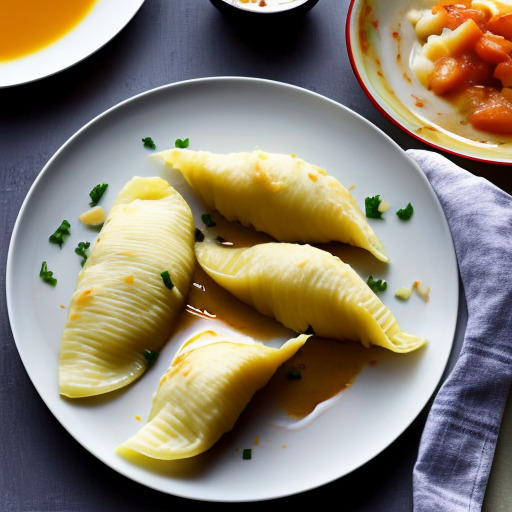
Pierogi Recipe: How to Make the Perfect Polish Dumplings
Pierogi is a traditional dish of Polish cuisine. It is a dumpling usually filled with potatoes, onions, cheese, sauerkraut, mushrooms, or meat. This dish is popular in Poland and worldwide because of its deliciousness and versatility.
Brief History of Pierogi
Pierogi’s origin dates back to the 13th century. It is said that pierogi was first introduced in Poland by the Tartars from Central Asia. Later on, it became popular all across Poland, and people started experimenting with different fillings and methods of cooking. Over time, this dish became an important part of the country’s culinary culture.
Why People Love Making Pierogi at Home
Making pierogi at home is a fun activity for families and friends. It brings people together over the love for good food. Additionally, homemade pierogi gives you control over what fillings to use – whether it’s traditional ones or your favorite combinations – and it’s a healthier option compared to store-bought pierogies that often contain preservatives and artificial additives. Plus, homemade pierogies are always fresher than their store-bought counterparts.
Overview of the Recipe Components
The main components of pierogi recipe include the dough and the filling. In addition to that, there are a few critical steps like boiling or pan-frying them before serving.
Ingredients
Pierogi Dough Ingredients:
- 4 cups all-purpose flour
- 2 large eggs
- 1 cup warm water
- 1 teaspoon of salt
Pierogi Filling Ingredients:
The filling for pierogi can vary depending on personal preferences. Here are some of the popular fillings used in Poland:
Potato and Cheese Filling:
- 2 cups of mashed potatoes (about 4 medium-size potatoes)
- 1 cup shredded cheese (cheddar or mozzarella)
- 1/2 cup diced onion
- Salt and pepper to taste
- 2 tablespoons butter
Meat and Cabbage Filling:
- 1lb ground meat (beef or pork)
- 2 cups finely shredded cabbage
- 1/2 cup diced onion
- Salt and pepper to taste
Substitute Options
If you have dietary restrictions, you can make modifications while making pierogi:
- If you are allergic or sensitive to gluten, use gluten-free flour instead of all-purpose flour.
- If you are a vegetarian or vegan, skip the meat filling and use vegetables like spinach or mushrooms.
- If you are watching your carb intake, replace some flour with almond or coconut flour.
Making the Dough
Making the dough for pierogi is relatively simple and takes about ten minutes to prepare. Follow the steps given below:
Mixing and Kneading:
- In a mixing bowl, combine flour and salt and mix well.
- Make a well in the center of the flour mixture and add the eggs and half of the water.
- Start kneading until the dough is formed and gradually add the rest of the water to make it softer. Knead until dough is smooth.
Resting The Dough:
- Cover the bowl with plastic wrap and let it rest for 30 minutes. You can also place the dough in a ziplock bag instead if you want.
Rolling out The Dough and Cutting Circles:
- Gently flatten the dough with your hands and roll it out on a floured surface. Make sure to keep the thickness consistent throughout.
- Use a 2 1/2-inch round cutter, or a cup or glass to cut circles out
Preparing Pierogi Filling
Pierogi fillings can be sweet or savory, but potato and cheese, meat and cabbage filling are two of the most popular. Here’s how you can prepare these fillings:
Potato and Cheese Filling:
- In a medium saucepan, boil potatoes in salted water for about 15 minutes until tender. Drain them once done.
- Mash potatoes with cheese and butter using a fork or masher.
- Fry onions until golden brown, season with salt & pepper.
- Add cooked onions to mashed potato filling mixture; mix well.
Meat and Cabbage Filling:
- Saute onion in oil or butter for about three minutes or until golden brown.
- Add in finely shredded cabbage to the pan and cook for about 5 to 10 minutes until they are tender.
- Then add in the ground meat version and cook for about eight minutes or until it is no longer pink.
- Season with salt and pepper as per taste, mix well and turn off the heat.
Filling Pierogi Dough:
Fill the pierogi dough circles with the desired filling by placing a small spoonful in the center of each circle. Leave enough room around the edges to fold them into a half-moon shape while sealing the edges
Boiling Pierogi:
Cooking the pierogi is a quick process. Boil them in salted water until they float (usually takes only about 3-4 minutes), then, strain them out once they’re ready.
Tips For Boiling Pierogi:
- Do not put too many pierogies into the pot at once. Overcrowding can be a cause of uneven cooking or pierogies sticking together.
- In case you have any leftover boiled pierogies, dip them in cold water to preserve their integrity before storing them in an airtight container in your fridge or freezer.
Frying Pierogi:
If you prefer crispy fried pierogies over boiled ones, you may want to try pan frying them instead. The recipe is identical up until boiling. Once boiled, dry them off with a towel, and fry in butter on medium-high heat until each side is golden brown.
Serving Pierogies
You can serve your freshly made Polish dumplings with a dollop of dill-sour cream sauce or other sour cream-based dips. Some other fun pierogi recipes include:
- Topped with fried onions
- Sauteed with mushrooms
- Layered in a casserole baked together with sour cream and herbs.
Storing Pierogies:
You can keep your uncooked pierogies on a tray lined with parchment paper. Once frozen, transfer them to an airtight container or freezer bag.
Tips for Storing Pierogi:
- If you are storing cooked pierogies, let them cool down before putting them in the fridge or freezer. Do not store them while they’re still hot as it may decrease their shelf life.
- When storing your boiled pierogies, make sure to put a thin layer of oil or butter on all the dumplings so they won’t stick together in the fridge.
- When you’re ready to eat your stored pierogies, reheat them either through microwaving, baking or steaming before enjoying.
Tips & Tricks For Perfect Homemade Pierogies:
Here are some useful tips and tricks to help you make better-perfect pierogies every time:
- Avoid kneading the dough too much to avoid making it tough when cooked.
- To save time, use a stand mixer instead of kneading by hand.
- Add salt to the boiling water when cooking the pierogies so that they don’t taste bland.
- Fry boiled pierogi in butter for extra flavor in case you like it crispy on the outside and soft on the inside.
- Pierogi - is a Polish dish made of boiled or fried dough dumplings filled with various savory or sweet fillings.
- Tartars - refers to a Turkic ethnic group that originated in Mongolia and later ruled areas across Eurasia
- Almond Flour - finely ground almonds made into flour/nmeal
- Coconut Flour - flour made from coconut meat after it’s been dried and defatted
- Mashed potatoes with cheese
- Sauerkraut and mushroom
- Ground meat and onion
- Cottage cheese with chives
- Blueberries or strawberries with sugar
Conclusion:
Pierogi is an authentic dish from Poland that has won the hearts of many people around the world. It is a versatile recipe that allows you to experiment with many filling options and sauces. With this recipe, you can make your pierogi at home and enjoy them anytime you want.
Glossary:
Below are some food-related terms that may be unfamiliar to readers:
Frequently Asked Questions About Pierogi Recipe
What are pierogies?
Pierogi is a traditional Polish dumpling consisting of dough that is stuffed with various fillings, such as mashed potatoes, cheese, sauerkraut, ground meat, or fruit. They are boiled or fried and served with sour cream or melted butter.
How do I make pierogi dough?
To make pierogi dough, you need flour, water, eggs, and salt. Combine all the ingredients in a bowl and knead the dough until smooth and elastic. Then roll out the dough and cut it into circles using a circular cookie cutter or the rim of a glass.
What are some popular pierogi fillings?
Pierogi filling options are endless, but some popular choices include:
How do I cook pierogies?
To boil pierogies, bring a pot of salted water to a boil and drop the pierogies one by one into the water. Cook for about 5-7 minutes until they float to the surface. To fry pierogies, heat up some oil or butter in a pan and add the pierogies. Fry them for about 2-3 minutes per side until they are crispy and golden brown.
Can I freeze pierogies?
Absolutely! Pierogies freeze very well. To freeze them, place them in a single layer on a baking sheet and freeze until solid. Then transfer them to a ziplock bag or an airtight container and keep them frozen for up to 3 months. To cook frozen pierogies, boil them for 8-10 minutes or fry them until heated through.