
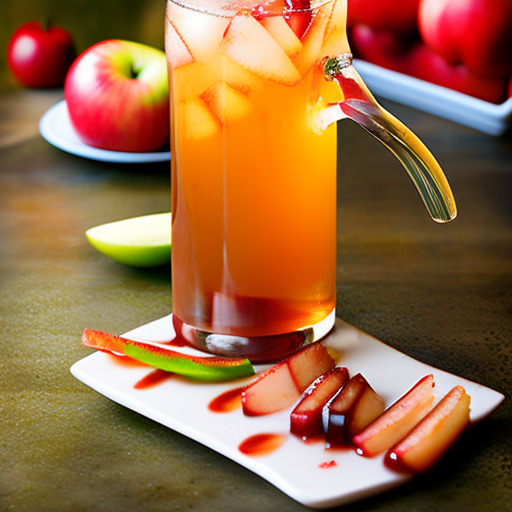
The Ultimate Guide to Making Delicious Apple Cider at Home
Apple cider has been a favorite among many people, especially in the fall season. The sweet and tangy taste of fresh apple cider is irresistible. While many people prefer store-bought apple cider, making it at home can be a more rewarding experience. The process may seem daunting, but with the right tools and knowledge, it is relatively easy to make fresh apple cider at home.
Introduction
Apple cider has been around for centuries and was the original drink enjoyed by early Americans. In the 1700s, fermented apple cider was a staple drink for many farmers and settlers in America. Today, apple cider remains one of the most popular autumn beverages. Making your own apple cider ensures that you have control over what ingredients you include and are guaranteed fresh cider that retains all its natural flavors.
Reasons why you should make your own apple cider at home
1. Cost-effective: Making your own apple cider at home can save you money compared to buying from stores.
2. Freshness: When you make your own apple juice, you are assured of its freshness as opposed to extended shelf-life store-bought options.
3. Health benefits: Apple cider is known for its health benefits, including improving digestion and boosting immunity.
4. Personalization: You can tailor your homemade apple cider recipe to your liking.
Choosing the Right Apples for Your Cider
Selecting the right type of apples is crucial in making great-tasting homemade apple cider. Use apples that have a good balance of acidity and sweetness to get the desired flavor.
Different varieties of apples and their taste profiles
Different types of apples have varying taste profiles that affect how they will taste when used for making cider.
Sweet apples: These are apples that have more natural sugars and less acid, with a sweetness level of around 12-16 brix. Examples of sweet apples include Fuji, Golden Delicious, and Honeycrisp.
Tart Apples: These apples have high acidity levels and contain less natural sugar making them tart in taste. Examples of tart apples include Gravenstein, Jonathan, and Winesap.
Bittersweet Apples: Bittersweet apples have low acid levels and high sugar content leading to unique flavors. These flavors are essential in achieving full-bodied ciders. Examples of bittersweet apples include Red-streaked Imperial, Dabinett, and Brown Snout.
Bittersharp Apples: These apples offer a noticeable sour flavor and play an important role in balancing out the sweetness of other varieties used for your cider. Examples of bittersharp apples include Bramley’s Seedling, Kingston Black, and Yarlington Mill.
Factors to consider when selecting apples for cider making
When selecting the right apples for your cider ensure you consider these factors:
Sugar content: Apples with higher sugar levels produce higher alcohol content during fermentation.
Acidity: The correct acidity balance is crucial in producing tasty cider.Inadequate acidity leads to flat-tasting ciders while excess acidity causes harsh-tasting ciders.
Tannins: Tannins add complexity to your cider by providing bitterness and dryness to the finished drink.
Equipment Needed to Make Apple Cider
To make homemade apple cider, you will require:
Primary Fermentation Containers
Large food-grade plastic buckets or glass carboys are ideal for primary fermentation containers. They help in extracting juice from the apples and fermenting them in one place.
Pressing equipment
Depending on the quantity of cider you want to make, you can use a simple hand-cranked press or a powered press. These presses help extract the maximum amount of juice from your apples.
Optional Equipment
- Grinder or Chopper: These helpful devices make it easy to crush and chop your apples into smaller sizes.
- pH meter: Its important to check for acidity when making apple cider- when it is too high it can cause off-flavors.
- Hydrometer: This tool helps in determining the sugar levels available during fermentation.
Preparing Your Apples for Cider Making
Before making cider, ensure your equipment is clean and sterilized. Clean and wash the apples to remove any dirt then follow these steps:
Crushing or Grinding Apples
Grinding/apples into smaller pieces ensures maximum extraction of juice. You can grind apples using a food processor, chopper, or grinder.
Pressing apples to Extract Juice
Use a press to extract juice from your crushed/grinded apples. Apply enough pressure to extract all the juice.
Storing Apple Juice
After extracting the juice, immediately transfer it to sanitized fermentation containers that have been cleaned thoroughly with hot water.
Fermentation container options
Containers such as large glass carboys, plastic buckets or demijohns are preferred.
Stabilizing Juice before Fermentation
You can stabilize your apple juice by adding potassium metabisulfite and sorbate, used to kill bacteria and yeast present in the must.
Fermenting Your Apple Juice
The process of fermentation is where your apple juice transforms into cider. Understanding the factors that influence fermentation is necessary to produce tasty cider.
Choosing the right yeast strain for the job
Selecting correct yeast strain is critical in determining the final flavor and alcohol content. Champagne yeasts such as EC-1118, Lalvin D47, or Cote des Blancs work well.
Best practices for yeast health and viability
Yeast viability can be maximized by careful following of instructions on yeast packets. Ensure you store yeast in a cold place until use to maximize shelf-life.
Primary vs Secondary Fermentation
Primary fermentation occurs when there are active bacteria and yeast, and is followed by secondary fermentation where there’s little activity as the yeast settles.
Post-Fermentation Processes
After fermentation, several post-fermentation processes affect the taste, texture, clarity, and effervescence of your cider.
Clarification options: fining agents, cold crashing, and filtration
Cider can be clarified using various methods including adding fining agents such as gelatin or achieving clarity through prolonged refrigeration referred to as “cold crashing.” The most effective method of achieving clarity is through filtration.
Aging, bottling, and carbonation — determining your carbonation level
Aging cider leads to improved flavors.Carbonating cider can be done by natural or forced carbonation using kegs or bottles.To determine which carbonation level you prefer try different measurements till you find what suits your preference.
Apple Cider Variations You Can Try At Home:
You can play with different flavors and ingredients to create customized ciders at home. Here are various ciders types worth trying.
Non-Alcoholic Ciders
Classic Homemade Apple Cider Recipe
To make delicious classic apple cider, you will need to heat apple juice with cinnamon, nutmeg, and cloves. Strain and serve hot.
Spiced Apple Cider Recipe
For this recipe, you spice up sweet apple cider by adding aromatic spices such as cinnamon, nutmeg, and allspice. Once done percolating , give it an extra burst of flavor with diced pineapples & citrus.
Hard Apple Ciders
Traditional Hard Cider Recipe
A classic hard cider is made by allowing the cider to ferment. To get desired alcohol content levels around 12-16%, start with a hardy juice blend.
Spiced Hard Cider Recipe
This cider is spiced up using cloves, nutmegs and cored and cut apples.This warming cider recipe perfect for fall evenings or when your under the weather.
Fruit Infused Ciders:
Strawberry Apple Cider Recipe
This fruity combination consists of pressing fresh strawberries & apples together with honey. The resulting taste has a balence between sweet & tart
Peach Apple Cider Recipe
Adding peaches to apple cider can give it a unique twist. Serve chilled or drink at room temperature for added enjoyment.
Barrel-Aged and Hopped:
Oak Barrel Aged Hard Cider Recipe
Aging in an Oak barrell can give an earthy aroma to your hard apple cider making your peers think you’re quite the cidermaker.
Hopped Hard Cider Recipe
For a Hoppy bitter tasting cider add hop flowers into your primary fermenation until the brew reaches desired taste.
Serving and Pairing Your Homemade Apple Ciders with Food:
Pairing apple cider with the right food creates a fantastic food experience. Here are meal pairing suggestions for both alcoholic and non-alcoholic cider.
What foods to Pair with Non-alcoholic apple cider:
Non-alcoholic apple ciders pair well with fall favorites such as warm apple pies, pecan pies cobs of corn & roasted chicken.
What foods to Pair with Alcoholic apple cider
Try pairing alcoholic apple cider with savory meals like pork/chicken roasts, vegetable soups & cheesy Lasagnas.
Troubleshooting Common Problems During the Apple-Cider-Making Process
There are common problems that you may face when making homemade cider. Here are common issues and their solutions:
Yeast-related problems
Inadequate yeast amounts affect fermentation leading to undervalue or suboptimal level of carbonation
Infection or contamination issues
Contamination in your equipment can lead to downgraded tastes.
Clarification and carbonation problems
If your cider is not cleared well during initial stages of fermentation it might produce off flavors & sometimes even fizzy alcoholic beverages.
Conclusion
Homemade apple cider is delicious, nutritious, and fun to make! With all the information provided in this guide, you will be able to experiment with different flavors creating custom ciders that suit your preferences. Making cider is a skill worth having. Give it a try today!
Frequently Asked Questions About Apple Cider Recipe
1. What is apple cider?
Apple cider is a non-alcoholic beverage made from freshly-pressed apples. It’s different from apple juice, which is usually filtered and has added sugars or preservatives.
2. Is apple cider easy to make at home?
Yes, definitely! All you need is fresh apples, some spices, and a few hours of simmering time. You can even make it in a slow cooker or Instant Pot for more convenience.
A delicious and easy homemade apple cider recipe:
- 12 cups of fresh apples, washed and sliced
- 1 cup of brown sugar
- 1 tablespoon of cinnamon
- 1 teaspoon of nutmeg
- 8 cups of water
- Cheesecloth (optional)
Instructions:
- In a large pot or slow cooker, combine the sliced apples, brown sugar, cinnamon, nutmeg, and water.
- Cook on low heat for 6-8 hours or high heat for 3-4 hours until the apples are soft and tender.
- Mash the apples with a potato masher or blend them in a blender until smooth.
- If you prefer a clear cider, strain the mixture through cheesecloth to remove any solids.
- Serve warm with a cinnamon stick for garnish. Enjoy!
3. Can I modify the recipe to suit my taste preferences?
Absolutely! You can add or remove any spices, adjust the sweetness level by using more or less sugar or honey, or even mix in other fruits like pears or cranberries. The possibilities are endless.
4. How long does apple cider last?
Homemade apple cider can last up to a week in the refrigerator if stored in an airtight container. Alternatively, you can freeze it for up to 2-3 months and thaw it whenever you want to enjoy a glass of fresh cider.
5. What are some creative ways to use apple cider?
- Use it as a base for cocktails or mocktails (e.g., spiked cider, bourbon apple cider punch).
- Pour it into popsicle molds and freeze for a refreshing treat.
- Bake with it in recipes that call for liquid sweeteners (e.g., apple cider donuts, caramel apple bars).
- Add it to savory dishes like chili, stew, or gravy to enhance the flavor.
With these ideas and your own creativity, you’ll never run out of ways to enjoy apple cider!