
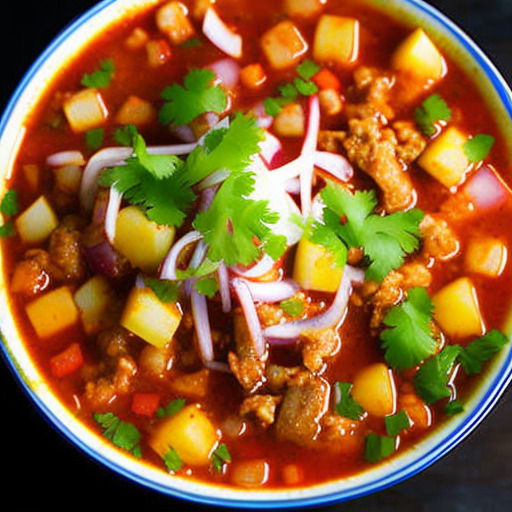
Mexican cuisine is known and loved for its bold and robust flavors, and one of the most iconic dishes that exemplify this cuisine is Posole. This traditional soup can be found across Mexico and is loved by locals and tourists alike.
Posole, which is also known as Pozole in some parts of Mexico, has long been considered a symbol of Mexican culture. Its name is derived from the Nahuatl word ‘potzolli,’ which means ‘foamy.’ The dish’s specific ingredients may vary depending on the region, but one thing that remains constant is its signature ingredient corn.
If you’re interested in making your own Posole at home, you’re in luck. Here’s an extensive guide to making this delicious treat, including its history, variations, and tips to make it perfectly every time.
## **History of Posole**
Posole dates back to pre-colonial times when it was considered a sacred food by the Aztecs. They believed that maize was a gift from the gods and that posole was a ritualistic dish consumed during special occasions such as harvest festivals or religious ceremonies.
According to legend, after the Aztecs settled in the Valley of Mexico in the 13th century, they were gifted with a secret stash of white corn by the god Quetzalcoatl. They used the corn to make posole along with meats like turkey or pork. Today, while posole can be made with various meats like chicken or beef, pork remains the most popular choice.
The dish’s significance goes beyond just being a staple food; it symbolizes communal sharing of a meal. Traditionally a large pot of Posole would be cooked with meat; then it will be shared communally out of the pot accompanied by fresh vegetables and spices.
## **Types of Posole**
Posole comes in two main varieties white posole and red posole.
### **1. White Posole**
White posole, also known as pozole blanco, is the version of the dish that features white corn. It is believed to be the original version of the dish and does not include any red chili sauce.
### **Ingredients required:**
- Meat options
- Pork shoulder or butt
- Chicken thighs
- Corn types
- White dried hominy corn
- Additional flavorings like herbs and spices
- Bay leaves
- Cumin Seeds
- Mexican Oregano
### **Cooking Method:**
To make white posole, start by thoroughly rinsing and soaking the dried hominy in water overnight, so it softens up before cookingthe following day. The next day, cook the meat in a large pot with plenty of water alongside the pre-soaked hominy corn.
Toward the end of the cooking process, add in some finely sliced onions, oregano, garlic, bay leaves and cumin seeds for added flavor. This dish simmers on low heat until the meat becomes tender and practically falls off the bone. Once served, it is typically garnished with carefully selected toppings like spicy radishes, cilantro, avocado and lime wedges.
### **2. Red Posole**
Red posole or Pozole Rojo is the second variation of this dish and is considered more popular in Mexico compared to white posole.
### **Ingredients required:**
- Meat options:
- Pork shoulder or butt
- Chicken thighs
- Types of chili peppers like guajillo, pasilla, etc.
- Other essential ingredients:
- Dried hominy corn
- Garlic cloves
- Bay leaves
- Salt
### **Cooking Method:**
To make Red Posole, start by soaking dried chiles before blending them to create a smooth paste to add to your cooking meat and hominy mixture. Chiles like guajillo, ancho, and californiaoffer the right balance of heat to the dish.
After blending, add onions and garlic to the chile paste. In a large pot, brown and cook the pork (or chicken) then simmer it by adding processed chile puree. Once everything is cooked down together, stir in the soaked hominy corn, bay leaf, more garlic, and salt for seasoning.
## **Variations of Posole**
There are many regional variations in Mexico that focus on different ingredients to create more variance to this hearty Mexican soup. Here are some different types:
### 1. Jalisco-style posole
Jalisco-style posole is another popular variation that spotlights jalapeño peppers and oregano from the region.
### 2. Guerrero-style posole
Guerrero-style posole adds avocado leaves which lend a distinct flavor and aroma to the dish.
### Modern-day Posole variations
Several newer versions of posole have emerged over time as new ingredients have become more accessible globally. These include:
### 1. Seafood posoles:
- Seafood varieties commonly use wild prawns; shrimp or a combination of shellfish mixed with vegetables like tomatoes or bell peppers.
### 2. Chicken-shrimp combo posoles:
- Combining land and sea protein offers this soup a novel depth of flavor to relish.
## **Serving Suggestions**
Traditionally served on special occasions like Christmas and New Year celebrations in Mexico, you can pair your homemade Posole with other authentic Mexican dishes such as rice & beans too.
A glass of Michelada beer perfectly complements any variety of Posole dishes with its refreshing blend of lager beer, spicy tomato juice, salt lining rimmed glass with a squeeze of lime on top.
## **Tips & Tricks to Make Perfect Posole**
Making posole isn’t rocket science, but a few tips and tricks will help you achieve the perfect bowl of Posole every time. Here are some tips:
### 1. Soak the corn overnight
Hominy corn consistency is significant, so it is advisable to soak dried hominy in water overnight for thorough cooking.
### 2. Adding flavor with chilies and other spices
Depending on your preferred taste preference, utilize various types of chillies (like guajillo or California) to offer spicy depth of character that many love in Posole. In addition,it is essential toopt for other key seasonings like bay leaves, cumin, and Mexican oregano.
### 3. Slow-cooking the meat for a tender texture
One of the essential steps in making a juicy perfect Posole is slow-cooking your desired meat (i.e., pork shoulder) untilit’s fall-off-the-bone tender to ensure no chewiness or toughness.
## **Posole FAQs**
### 1. What is the difference between hominy and corn?
Maize or corn kernels can freeze-dried and reconstituted using an alkaline solution method known as nixtamalization which then creates larger softer kernels. When these large kernels are used they are referred to as Hominy. The maize corn involved gets removed from its protective outer shell by soaking them in a slaked lime solution which makes them easier to digest once cooked.
### 2. Can I use canned hominy for posole?
Yes, canned Hominy makes it possible to cook this soup with ease and convenience quicker than utilizing dried Hominy, without compromising on taste.
### 3. How long can I store leftover posole?
Leftover posole can be stored in an air-tight container and stored in your fridge up-to four days.
## **Conclusion**
If you crave authentic Mexican cuisine or just a fan of hearty meaty soups, try making posole at home. This dish has stood the test of time and has evolved over time with various Mexican regional interpretations and alternative ingredients to keep it fresh and exciting. Utilizing our extensive guide full of variations, tips, and tricks to enhance the dish, you’ll be able to create a delicious traditional posole bowl that will ensure this dish becomesa family favorite.
Frequently Asked Questions About Posole Recipe
What is posole?
Posole is a traditional Mexican soup made with hominy, which is dried corn kernels that have been treated with an alkali solution to remove the hull, and usually pork or chicken. It’s a hearty and flavorful dish that is perfect for cold days.
How do you make posole?
The recipe for posole varies depending on the region of Mexico. The basic ingredients are hominy, meat (usually pork or chicken), onion, garlic, and chili peppers. Here’s a simple recipe:
- Cook the meat in a pot until it’s browned.
- Add onion, garlic, and chili peppers and cook until the onions are translucent.
- Add water and hominy to the pot and simmer for a couple of hours until the flavors meld together.
- Season with salt to taste.
Can I make posole vegetarian?
Absolutely! To make a vegetarian version of posole, you can skip the meat and use vegetable broth instead of water for more flavor. You can also add veggies like carrots and celery to the soup.
What kind of chili peppers should I use for posole?
The most common chili pepper used in posole is dried New Mexico chili pepper. You can also use guajillo or ancho chili peppers. Make sure to remove the seeds before using them in the soup if you don’t want it too spicy.
Can I freeze posole?
Yes, posole freezes well. Just let it cool down completely before transferring it to an airtight container and store it in the freezer for up to three months. Reheat it on the stove or in the microwave, and add some water if it’s too thick.