hummus recipe
The Ultimate Guide to Making Delicious Hummus at Home
What is hummus? If you’re adept with Middle Eastern cuisine, it is easy to imagine that the tangy combination of chickpeas and garlic is part of your vocabulary. Hummus is a dip or spread made out of cooked chickpeas, tahini paste, garlic, olive oil and lemon juice. It’s a popular snack that originated from the Middle East and North Africa regions. Today, it has become all around the globe, making it an essential dish in many homes. In this article, we will be exploring the best methods for creating scrumptious homemade hummus that everyone will love.
Why making homemade hummus is better than store-bought
In spite of some delicious store-bought hummus options available in supermarkets, making hummus at home can significantly improve its taste and quality. Homemade hummus allows you to experiment with different ingredient combinations to create a unique flavor profile that suits your taste buds. Additionally, when you know how to make your own, you have control over it’s freshness. You get to choose the quality of ingredients which will contribute to its superior taste and nutritional value.
Basic Ingredients
The primary ingredients needed for making Hummus are Chickpeas, Tahini Paste, Garlic cloves, Lemon juice, Olive oil and Salt. Here’s what to look out for:
Chickpeas:
Use dried chickpeas for better texture rather than opting for canned versions. Soak them accessible in cold water overnight (for 6-8 hours) or quick soak by pouring boiling water over them then leaving for an hour before cooking.
Tips for cooking:
- If you’re not using a pressure cooker, cook the chickpeas using a pot of boiling water on medium heat until they are soft and tender. This usually takes about 1-2 hours.
- Incorporate a teaspoon of baking soda to the cooking water. It will help soften them and speed up cooking time.
- Canned chickpeas can also be used in instances where fresh chickpeas aren’t readily available, but be sure to rinse properly before use to avoid blandness and added sodium levels.
Tahini paste:
Tahini is made from roasted sesame seeds, and it generally comes in two varieties – hulled and un-hulled.
Hulled Tahini:
This version of tahini has been processed using hulled sesame seeds, making it a lighter color and smoother texture. It’s perfect for fast recipes such as dressings or desserts that don’t require bold flavors. Likewise, If you prefer a milder, nuttier taste profile, go with the hulled variety as it has a more refined flavor compared to un-hulled tahini.
Un-Hulled Tahini:
This type of tahini comes from whole sesame seeds that have not had their epidermis removed yet. The intact layers give the tahini a stronger taste with nutty undertones that make it perfect for sauces or dips that require bolder flavors.
Garlic Cloves:
The number of garlic cloves varies depending on the quantity of hummus you’re making. A good rule of thumb is to use one peeled garlic for every 2-3 cups of cooked chickpeas added into your hummus mixture.
Lemon Juice:
For vibrant lemony flavor & freshness, using freshly squeezed juice. Each lemon yields between 2-3 tablespoons of juice. If you don’t have fresh lemons available, bottled lemon juice can be used in its place. However, keep in mind that the flavor may not be as bright and citrusy.
Olive Oil:
Greek or Extra Virgin Olive Oil is usually the preferred option for hummus recipes since it has a fruity taste, mild bitterness, and moderate pungency. However, you can use any type of oil available to you that suits your taste buds.
Salt:
Add salt to taste after blending the mixture. A good rule of thumb is to add half a teaspoon for each cup of chickpeas used in the recipe.
Additional Topping Ingredients
Incorporating additional toppings can provide a refreshing twist to your hummus recipe. Here are some topping options that’ll allow you to mix up your recipe and experiment with different flavors:
- Smoked Paprika
- Pine Nuts
- Sumac
- Parsley
- Cumin
- Roasted Red Peppers
Equipment Needed
Here are a few kitchen tools you’ll need to properly prepare Hummus :
- Food processor or blender: this will help break down the chickpeas smoothly for perfect consistency.
- Rubber spatula: it allows you to scrape hummus mixture out of sides and bottom veggies until they’re all blended properly.
- Mixing bowl: ideal for combining all your ingredients together before blending. It also allows you to adjust the seasoning and flavors till your ideal flavor profile is achieved.
Step-by-Step Guide
Here is a straightforward guide that will teach you how to make homemade hummus in just a few easy steps:
Step 1: Preparation for the chickpeas and tahini paste
After soaking and cooking your chickpeas correctly, exclude their outermost layer or use them with their outer covering still on, depending on your preference. Then, toss the chickpeas into a food processor, followed by a tablespoon or more of tahini. Scrape the sides until there are no chickpea lumps left.
Step 2: Combining ingredients in the food processor
Add in all your ingredients starting with garlic, lemon juice, olive oil, salt and any additional toppings if you would like to. Blend them extremely well until everything is combined smoothly. You may need to scrape down the sides from time to time to ensure even blending.
Step 3: Blending the Hummus mixture
Blend everything together well until it becomes thick & creamy in texture. For best results, scrape the sides between blends to avoid chunks of unblended veggies and achieve an even, smooth texture.
Step 4: Adjusting seasoning for desired taste.
Taste the mixture and possibly add additional seasoning (such as salt), depending on individual preferences. If you’re experiencing excess thickness or lumpiness after blending your recipe, add extra olive oil or tahini if needed. Once you’ve completed these steps, your hummus should have an ideal thick but silky-smooth texture.
Troubleshooting Tips
In baking, cooking, and food processing, there is always a chance that things can go awry. If your hummus doesn’t come out as intended, don’t stress. Here are some apparent obstacles with easy solutions you can try during hummus preparation:
Grainy Texture: The grainy texture could be due to unblended chickpeas that couldn’t break down well in your food blender or processor. You can remedy this situation by blending your hummus mixture for an additional 1-2 minutes until it becomes creamier or finer. You can also achieve a smoother consistency by soaking the chickpeas overnight and increasing the blending time.
Watery Consistency: Hummus’s watery texture due to excess lemon juice or a lack of oil & tahini paste for binding liquids together in the recipe. To fix this, you can add in more tahini paste and olive oil before blending to emulsify all ingredients smoothly. Additionally, adjusting the seasoning with salt and other flavors like cumin or paprika can also help give your hummus its distinct taste and texture.
Burnt or Smoky Taste: If You Roasted Your Chickpeas In The Oven Could Be The Issue. If this is what happened fix it next time by reducing oven temperature while roasting and closely monitoring roasting times to avoid excess dry heat that could burn ingredients.
Storing Hummus: How Long Can It Last?
Hummus will last in the fridge for up to a week if stored in an airtight container. For best storage results ensure all the air is excluded by adding some olive oil on top before storing. You can also freeze Hummus for future use. Label and date each container full of Hummus clearly before storing for an extended period (3 months).
Serving and Consumption : What Goes Well With Hummus?
Here are some serving suggestions for enjoying hummus:
Traditional uses of hummus as a side dish or appetizer:
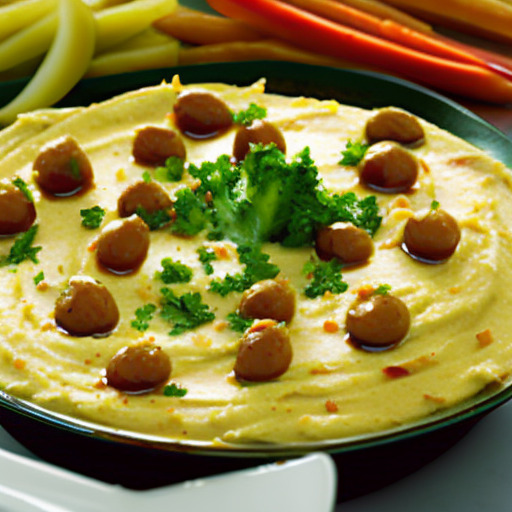
Hummus has been traditionally served as a dip amongst others at parties, weddings, or gatherings. Sliced cucumbers, carrots, celery, bread sticks and pita chips all pair well with hummus when served as an appetizer. It also serves as an excellent side dish to meat dishes such as shawarma or falafel.
Innovative ways of incorporating hummus into your diet:
Hummus’s versatility allows you to explore different culinary possibilities beyond dips and spreads. Try it out in the delicious ways below:
- As a Dip: use it as a topping for baked potatoes or mix with yogurt and chopped herbs to make vegetable dips.
- Spread: use it in place of mayonnaise on sandwiches or toast for healthier snacks.
- Sandwich Filling: use it alone or combined with cheese, avocado, nuts, pickles etc., as a sandwich filling.
- Alternative Salad Dressing: a spoonful of hummus alongside salad greens will give those veggies rich creamy goodness with a touch of flavor.
Conclusion
This guide contains everything you need to know about making delicious homemade hummus. The perfect blend can be achieved by tuning every ingredient to your taste and preference. Experiment with different ideas from the toppings section to expand your recipe’s horizons. A luscious homemade hummus dip or spread can spice up any occasion and help you explore more creative culinary possibilities. Go ahead and put a smile on people’s faces with your hummus creation!
Frequently Asked Questions (FAQs) About Hummus Recipe
What is hummus?
Hummus is a dip or spread made from chickpeas, tahini, olive oil, lemon juice, garlic, and salt. It originated from the Middle East and is commonly used as a condiment or side dish in Mediterranean and Middle Eastern cuisines.
Is hummus healthy?
Yes, hummus is considered healthy because it contains high amounts of protein, fiber, vitamins, and minerals. Chickpeas are also low in fat and cholesterol-free. However, it’s important to note that store-bought hummus may contain additives or preservatives that may affect its nutritional value.
What are the variations of hummus?
- Classic hummus
- Sun-dried tomato hummus
- Roasted red pepper hummus
- Cilantro jalapeno hummus
- Spinach artichoke hummus
- Pesto hummus
How do I make homemade hummus?
Here’s a simple recipe for homemade hummus:
- In a food processor, combine 1 can of drained chickpeas, 1/4 cup of tahini, 2 tablespoons of olive oil, 2 cloves of garlic, 2 tablespoons of lemon juice, and a pinch of salt.
- Pulse until smooth. If necessary, add water until your desired consistency is reached.
- Taste and adjust seasoning as needed.
- Transfer to a serving bowl and garnish as desired.
Can I make hummus without tahini?
Yes, you can make hummus without tahini by replacing it with an equal amount of peanut butter or Greek yogurt. However, the taste and texture may be different compared to traditional hummus made with tahini.
How long does homemade hummus last?
Homemade hummus can last up to a week when stored in an airtight container in the refrigerator. However, its shelf life may vary depending on the freshness of its ingredients and how it was stored.
What are the different ways to serve hummus?
- As a dip for pita bread, crackers, or vegetable sticks
- As a spread for sandwiches or wraps
- As a topping for salads or roasted vegetables
- Mixed into pasta dishes or mashed potatoes for added flavor and creaminess