
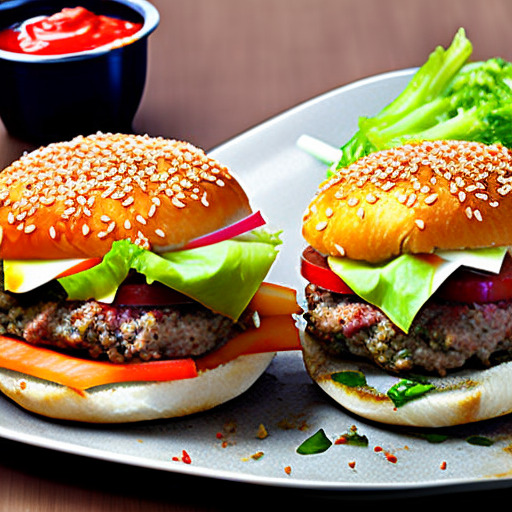
The Ultimate Guide to Crafting the Perfect Hamburger Recipe
Introduction
Hamburgers are an all-time American favorite, but did you know that the first hamburger was actually created in Hamburg, Germany? The truth is, the hamburger recipe has evolved over time to become a staple meal worldwide. Making hamburgers at home is not only cost-effective, but it also makes for a healthier and juicier burger than the one from your local fast-food chain. In this article, we will guide you on how to craft the perfect hamburger recipe with our step-by-step guide that covers everything from ingredients to cooking methods.
Why Bother Making Homemade Burgers?
Fast food restaurants are convenient for grabbing a quick bite, but they lack quality meat with appropriate fat content and seasoning, making them less than ideal. Making your own burgers at home ensures that you have control over the ingredients used, resulting in tastier and healthier meals.
Quick Overview of What This Article Covers
In this article, we will discuss the necessary ingredients needed for crafting your perfect hamburger recipe. We will also go through the tools required and provide tips on how to grind your meat. Moreover, we will guide you through seasoning your burger patty and share tips on assembling your bun and toppings. Furthermore, we will discuss different cooking methods depending on preference and dietary restrictions. Lastly, we will provide tips on how to customize your burger recipe according to different tastes.
Preparing for Success
Firstly, let’s start by discussing the necessary equipment and ingredients needed for crafting your perfect hamburger recipe.
Ingredients
When it comes to creating the perfect hamburger recipe, every ingredient counts. Below are some of the crucial ingredients that you will need in order to make a delicious burger:
Quality Meats: The foundation of any burger is the meat used. A good quality beef with a minimum fat content of 15-20% is ideal for a juicy burger, although ground turkey or chicken can be used as an alternative.
Seasonings: Seasonings are essential to bringing out the flavors of the meat. A basic blend of paprika, garlic, salt, and pepper will do the trick.
Cheese Toppings: Cheese is a popular topping for burgers. Common types include cheddar, Swiss, and mozzarella.
Vegetable Toppings: Adding vegetables to your burger is not only healthy but also amps up its nutritional value. Common toppings include tomatoes, lettuce, onions, pickles, and jalapenos.
Bread Toppings: Brioche buns are a popular option due to their slightly sweet taste that balances perfectly with the savory burger patty.
Tools
To create a successful homemade burger recipe, you need to have the right equipment. Some key tools include:
Grill types and accessories: Grilling your burger is one of the best ways to cook it. You will need a grill that can support both direct and indirect heat methods and accessories such as spatulas and tongs for flipping.
Kitchen Appliance (Grinder): Grinding your own meat at home results in higher-quality ground beef that is leaner than store-bought versions.
Knives: Knives are necessary for chopping vegetables and seasonings.
Measuring Cups: These are necessary to measure out seasonings accurately.
Step by Step Guide on How to Prepare the Burger
Preparation of The Meat
Part of what makes a great burger lies in the quality of meat used. Here is what you need to do to prepare the meat:
Types of Ground Meat Recommended for Hamburgers
Ground beef with at least 15% fat is ideal for juicy burgers. Alternatively, you can add bacon fat as beef fat substitutes.
How to Grind Your Meat
Using a meat grinder is the best way to grind your meat. Alternatively, you can use a sharp knife and finely chop the beef.
Seasoning Your Burger Patty and Making It from Scratch
One of the secrets of a delicious burger comes down to seasoning and getting creative in flavor profile preparation. Here are ways on how to achieve this:
Creating Basic Seasoning for Your Hamburger Patty
To create basic seasoning, combine paprika, garlic, black pepper, salt, and ground onion powder. Mix well until it’s well combined before adding the seasoning into your ground meat.
Creating Unique Blend of Flavors
Experimenting with different spices and flavors creates unique flavor profiles for your burger. Consider ingredients such as Worcestershire sauce, soy sauce or teriyaki sauce, lemon juice, or hot sauce.
Assembling Your Hamburger Bun and Toppings
Now that you have your patty seasoned, it’s time to think about assembling your burger. Below are steps to follow:
Using Appropriate Brioche Bun Sizes and Types
Brioche is a type of French bread that is slightly sweet and bakes up into soft and velvety bread. It’s also an ideal choice for hamburger buns since it has a soft crumb with enough structure to hold your patties in place.
Tips:
- Lightly toast brioche buns for extra crunch.
- Add a bit of butter to your brioche bun before grilling for extra indulgence.
Ways of Adding Vegetables to your Burger
Vegetable toppings are an excellent way to add color, texture and flavor to your burger. Some of the common vegetable topping includes lettuce, tomato, onion, and pickles.
Tips:
- Cut tomatoes into slices rather than dicing them since they tend to get mushy when cooked.
- Rub onions in lemon juice to make them less harsh and more flavorful.
- Pickles add a tangy zing on your sandwich. Pickle fans can chop up pickles or switch slices with spears or chips.
Cheese Toppings Ideas – Types and Methods
Adding cheese to your burger patty is a sure way of making it interesting and flavorful. Common cheese types include cheddar, Swiss, American, blue cheese.
Tips:
- Grate any hard cheeses that you will be using over the patties this improves the taste as well as helps with melting of cheese.
- Consider mixing different types of cheese for unique flavors.
- If you want melted cheese over the patty while grilling (doesn’t have to be done solely alone but can be combined), consider placing burger patty slightly away from direct heat just before putting a seasoned slice of cheese on top till it melts making sure you cover the grill lid.
Various Condiments To Improve Flavor
Thinking about condiments and sauces is enough to get your mouth watering. Condiments are a great way to add moisture, sweetness, tanginess, or spiciness to your burger. Common condiments include mustard, ketchup, barbecue sauce, mayo.
Tips:
- Adding bacon or avocado is always a good choice since it adds umami flavors to your burger.
- Liquid seasonings like Worcestershire sauce and soy sauce can be added directly into the meat for a burst of flavor.
- Try toasting buns with mustard or mayonnaise on them.
Cooking Your Burger
Grilling
Grilling is the most popular method used for cooking burgers since it adds distinct smoky flavors to the burger. Here are two ways you can grill your burger:
Direct Heat Cooking with Charcoal or Gas Grill
The direct heat grilling method involves placing the patties over direct heat while frequently flipping them to ensure even cooking.
Tips:
- Keep turning your patties every minute halfway through cooking until well-cooked(145°F) thoroughly and evenly cooked to avoid drying out.
- Avoid flames when cooking burgers by closing the grill lid; this lessens flare-ups and reduces the risk of charring and drying out your patties.
In-Direct Heat Cooking(Smoking Method)
This method involves indirect heat cooking which entails placing the burger at a particular position in the grill in-between coal to cook slowly allowing smoke from the wood chips to infuse into your burger patty.
Tips:
- Preheat your grill, place vegetables on one side while burgers are on another.
Applying some wood chips before beginning helps produce more intense smoke. Take care not to add too many chips as this can produce too much smoke which ends up; over-smoking the meat making this less appealing. - Understand how temperature regulation is used in getting an exceptional taste for your burger. Ensure consistency in the charcoal or woodchip chips grill so that the burgers cook evenly, avoiding hotspots and undercooked burgers.
Skillet Burgers – How To Cook Your Burger on a Stovetop Skillet
Not everyone has access to a grill, but stovetop skillets come in handy. Simply add a little oil to your skillet and heat it up using medium-high heat. Place your seasoned patty gently on the skillet, making sure it is nicely pressed down with a spatula.
Tips:
- Flip burgers once the bottom side has turned brown since it indicates readiness to shift consequently reducing sticking.
- Avoid draining off excess grease, as this helps retain the essential fatty burger juices making it moist.
Oven-Baked – Cook Burgers Easily inside Your Home Oven
Oven-baked burger is perfect for those who avoid grilling. Preheat oven at 375°F, place your patties on a baking sheet, and cook for between 12-15 minutes.
Tips:
- Raise patties above baking sheets for just an inch or two for improved airflow circulation and help prevent toppings from boiling forth on the crusty exterior of buns preventing sogginess.
Creating Customized Burgers for Different Preferences and Dietary Restrictions
Customizing your burger is all about exploring new variations and discovering unique ingredients that suit your taste buds. Whether you’re looking to prepare burgers suitable to specific dietary restrictions like vegan, gluten-free or keto-friendly burgers, there’s a recipe for you.
Experimenting With Different Ingredients
Switch up the beef with turkey or bison, experiment with plant-based options such as beetroot which is naturally meaty, giving it a unique and tasty flavor profile. Ground beef patties can also be combined with shiitake mushrooms to create a halfway meal where burger lovers enjoy the best of both worlds.
Tips:
- For turkey and chicken patties, make sure that they are thoroughly cooked at 165°F.
- When using plant-based substitutes, ensure that ingredients like vegetables are not overcooked since this leads to dry and tasteless burgers.
Creating Gluten-Free or Keto-Friendly Burgers
Gluten-free or keto-friendly burgers can easily be created by following these guidelines:
Gluten-Free Burger Buns
Use gluten-free bread, lettuce leaf wraps, or sweet potato buns.
Tips:
- If using lettuce leaf wraps, choose sturdy leaves to withstand the weight of the toppings and meat.
- Sweet potato buns must be cooked slightly before use to prevent them from being chewy in texture.
Low Carb/No Carb Keto-Friendly Burgers
Switch out traditional buns for lettuce or portobello mushroom caps.
Tips:
- Use lettuce leaves that are unblemished and have no cracks; this ensures freshness and texture.
- Mushrooms should be washed thoroughly before use as they carry dirt particles on their underside.
Making Healthy Variations
Get all your essential nutrients by incorporating more vegetables and legumes into your burger patties. Chickpeas, black beans or lentils are excellent meat substitutes because they bind your patties together and add flavor.
Tips:
- Ensure that beans are drained and rinsed properly before use to remove excess liquid.
- Use finely chopped vegetables like grated zucchini or carrots so that they blend well with your burger patty.
Conclusion
Crafting the perfect hamburger recipe is all about experimenting, getting creative, and having fun with ingredients. You can season your patty to perfection, select toppings to suit your preference, and cook it using various cooking methods. Once you master the basics, you can easily customize your burgers according to different dietary restrictions. Remember to have fun along the process- Bon Appetit!
7 FAQs About Hamburger Recipe
1. What is a hamburger?
A hamburger is a sandwich made of a cooked patty of ground beef, typically served on a bun.
2. Can I use other types of meat for my hamburgers?
Yes! Ground turkey, ground chicken, or even ground pork are all great options to substitute for beef in a hamburger recipe.
3. How do I make sure my hamburgers stay juicy?
- Choose ground meat with a good amount of fat (80-85% lean).
- Add grated onion, breadcrumbs, or egg to the meat mixture to help retain moisture.
- Cook the burger over medium-high heat and avoid pressing down on it with your spatula while cooking.
4. What are some different toppings I can use for my burgers?
- Lettuce, tomato, and onion
- Cheese (cheddar, Swiss, pepper jack)
- Bacon
- Mushrooms
- Pickles
5. How long should I cook my burgers for?
Cooking time can vary depending on the thickness of your patty and personal preference. A good rule of thumb is to cook for 4-5 minutes per side for a medium-rare burger.
6. Do I need a grill to make hamburgers?
No, you don’t! You can use a skillet on the stovetop or bake them in the oven.
7. Should I let my burgers rest before serving?
Yes! Letting your burgers rest for a couple of minutes after cooking will allow the juices to redistribute and result in a juicier burger.