gyudon recipe
The Ultimate Guide to Making Delicious Gyudon at Home
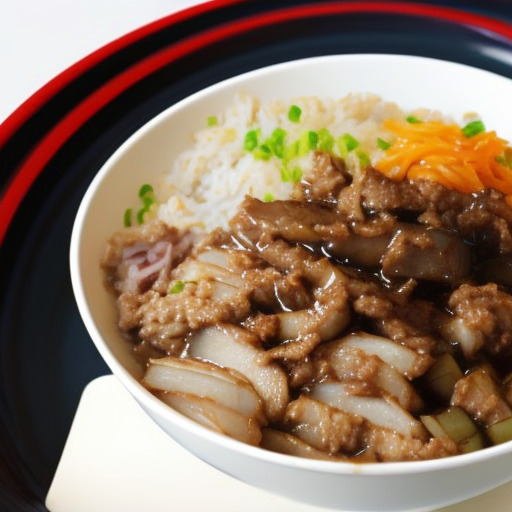
If you’re a fan of Japanese cuisine, then you’ve probably heard of gyudon. This comforting dish of beef and onions simmered in a broth and served over rice has been a staple in Japanese fast food restaurants for decades. However, with the right ingredients and techniques, you can make delicious gyudon at home. In this guide, we’ll take you through everything you need to know to create an authentic and flavorful bowl of this classic Japanese dish.
Introduction
Gyudon, which means “beef bowl” in Japanese, is believed to have originated in the late 1800s in Tokyo. Today, it’s a popular fast food dish across Japan, with many chains specializing solely in serving variations of this flavorful and comforting meal.
While going out for gyudon is certainly convenient, making it at home can be an incredibly rewarding experience. Not only will you have control over what ingredients go into your dish, but you’ll also be able to adjust the flavors to suit your taste preferences. In this guide, we’ll cover everything you need to know to make delicious gyudon from scratch.
Ingredients
The foundation of any great gyudon is high-quality beef. Here are some tips on selecting the perfect cuts and other essential ingredients for your homemade dish.
Beef cuts and qualities
- Look for thinly sliced fatty beef such as sirloin or ribeye. These cuts will cook quickly and retain their tenderness.
- If possible, opt for grass-fed beef from a reputable source. Grass-fed beef tends to have more flavor than grain-fed beef.
- Alternatively, if thinly sliced fatty meat isn’t available at your supermarket or butcher shop, purchase a lean cut (such as eye round or flank steak) and slice it very thinly against the grain.
Vegetables
In addition to the beef, onions are a crucial component of gyudon. Here’s what you’ll need:
- White or yellow onions: These caramelized onions will add sweetness and depth to your broth.
- Scallions: Thinly sliced scallions make a great garnish for your finished dish.
Condiments and spices
To flavor your broth and balance out the sweetness of the onions, you’ll need:
- Soy sauce: This will lend umami flavor to your broth.
- Mirin: A sweet Japanese rice wine that adds sweetness to your broth.
- Sake: This will help tenderize your beef.
- Dashi powder: A seasoning made from dried bonito flakes and konbu seaweed. It provides a savory and umami-rich base for your broth.
- Sugar: To balance out the flavors of the soy sauce, mirin, and onion with a bit of sweetness.
- Garlic: For added depth of flavor.
Rice selection
To complete your dish, you’ll need cooked short-grain Japanese rice. This type of rice is perfect for soaking up the flavorful broth in your gyudon bowl.
Equipment and Utensils
Before we dive into cooking, let’s go over what you’ll need in terms of equipment. Here are some key items:
Cookware and tools
- A large skillet or wok
- Small bowls for mixing condiments
- A spatula
- A ladle
Recommended brands and types
If you’re looking to invest in quality cookware that will last you a long time, here are some recommended brands:
- Lodge: Known for their cast iron skillets which retain heat well.
- Wusthof: A high-end cutlery brand that makes durable knives.
- T-Fal: A reliable non-stick cookware brand.
Step-by-Step Process: How to Make Gyudon at Home
Now that you have your ingredients and equipment sorted, let’s get cooking! Here is the step-by-step process for making delicious gyudon at home:
Step 1: Prepare the Ingredients
Before we start cooking, we need to prep our ingredients:
- Slice your beef into thin strips against the grain.
- Cut your onion in half, peel it, and slice it thinly from top to bottom.
- Mix together your broth ingredients (soy sauce, mirin, sake, dashi powder, sugar, and garlic) in a small bowl.
Step 2: Cook the Beef
Now it’s time to cook the star of the show: the beef. Here are some tips for ensuring your beef is tender and flavorful:
- Heat up a large skillet or wok on medium-high heat.
- Add a small amount of oil (such as vegetable or sesame oil) to coat the bottom of the pan.
- Once heated, add the beef slices to the pan in a single layer. Be sure not to overcrowd the pan as this will cause the beef to steam instead of fry.
- Cook until each side is browned but still slightly pink in the middle. This should take about two minutes per side.
To maintain tenderness in your beef slices, you’ll want to avoid overcooking them. Keep them moving around the skillet with your spatula so they don’t stick and cook evenly.
Step 3: Cooking the Onions
Next up: caramelizing those onions! Here are some tips for achieving perfectly browned onions:
- Add your sliced onions to the same skillet as the beef.
- Cook the onions on medium-low heat, stirring them occasionally until they’re brown and soft, about 10-12 minutes.
Caramelizing your onions will take time, but it’s worth the effort! The result will be sweet and savory onions that complement the flavor of the beef perfectly.
Step 4: Combining Beef, Onions, and Broth
Now it’s time to bring everything together. Here’s what you’ll do:
- Add your broth mixture to the skillet with the beef and onions.
- Bring it to a boil and let it simmer for a few minutes until the broth has been absorbed by the beef and onions.
Be sure not to add too much broth; you want just enough to cover the bottom of your skillet so that the beef and onions can absorb all of the flavors.
Step 5: Assembling Your Gyudon Bowl
The final step is plating and garnishing your dish. Here are some tips:
- Place a serving of cooked Japanese rice in a bowl
- Spoon your beef, onion, and broth mixture over the top.
- Garnish with thinly sliced scallions or any other toppings you desire.
Voila! You now have a delicious bowl of homemade gyudon.
Tips for Perfecting Your Homemade Gyudon Recipe
While making gyudon at home can be relatively easy, there are a few things you can do to make sure your dish turns out perfectly every time:
- Keep the broth consistent: Make sure you don’t add too much broth. You want just enough to cover the bottom of your skillet so that every component has had a chance to simmer in the flavors.
- Frying using the right temperature: If your pan is too hot, the beef will cook too quickly and become tough. On the other hand, if it’s not hot enough, the beef will be steam-cooked instead of fried.
- Test for tenderness in beef cuts: The thinner you slice your beef, the more tender it will be. Once you see some browning on each side, feel free to taste a piece to check its tenderness.
Variations and Modifications
If you’re feeling a bit adventurous, try experimenting with some of these variations or modifications to your gyudon:
- Adding eggs or cheese to your gyudon bowl: Crack an egg over the dish while it’s still hot and let it cook in the residual heat, or sprinkle grated cheese over the top of your finished dish.
- Different vegetables alternatives: You can add whatever vegetable you prefer such as mushrooms or carrots.
Frequently Asked Questions About Gyudon
Is it okay to use different cuts of beef?
While sirloin or ribeye are the recommended cuts for gyudon, you can certainly use different cuts of beef as long as they’re thinly sliced against the grain.
Can leftovers be refrigerated?
Yes! Be sure to store them in an airtight container in the fridge. When reheating, place a damp paper towel over the top to trap moisture and prevent drying out.
Conclusion
Making homemade gyudon is a fun and rewarding experience that is sure to please your taste buds. With this ultimate guide at your fingertips, you’re now equipped with all the ingredients and techniques needed to create delicious bowls of this classic Japanese fast food staple. Remember to experiment with different variations and modifications to make it your own!
Frequently Asked Questions About Gyudon Recipe
1. What is Gyudon, and what is it made of?
Gyudon is a Japanese dish with thinly sliced beef simmered in a savory sauce served over rice. The dish also features onions, mushrooms, and often green onions for garnish.
2. Can I use any kind of beef for Gyudon?
The best beef for Gyudon is thinly sliced fatty beef such as Ribeye or Chuck. If you can’t find thinly sliced meat at your local store, you can ask the butcher to slice it for you or try slicing it yourself with a sharp knife.
3. Is there a vegetarian version of Gyudon?
Yes, you can make a vegetarian version by using mushrooms or tofu in place of the meat. You can also make it vegan by using vegetable broth or soy sauce instead of dashi.
4. What is dashi, and where can I find it?
Dashi is a Japanese broth used as a base for many dishes. It’s made from cooking dried fish flakes called bonito and kombu seaweed. You can find dashi at most Asian markets or online.
5. Do I need any special equipment to make Gyudon?
No, you don’t need any special equipment other than a pot or skillet to cook the beef and sauce. A rice cooker is helpful to make perfectly cooked rice, but you can also cook it on the stovetop.
6. Can I store Gyudon leftovers in the fridge?
Yes, you can store leftover Gyudon in an airtight container in the fridge for up to three days. Reheat it in a pot or microwave before serving.
7. What are some variations of Gyudon I can try?
- Tanin-don: A variation made with liver instead of beef.
- Negi-don: A variation made with green onions instead of regular onions.
- Ten-don: A variation made with tempura shrimp and vegetables served over rice.
These variations can be found in some Japanese restaurants, or you could try making them yourself at home.