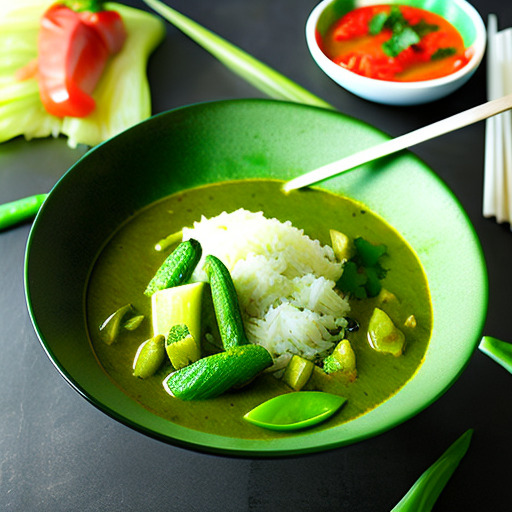
green curry recipe
Creating the Ultimate Green Curry Recipe: A Step-by-Step Guide
Introduction
Green curry is a popular Thai staple that has become a favorite for many people worldwide. The dish originates from Central Thailand, and it’s characterized by its vibrant green color. The dish was traditionally made using locally grown herbs and spices, with each family having its own recipe. Today, with the rise of globalization and increased access to different ingredients, there are many variations of the dish available. Despite this, nothing quite beats a homemade green curry that follows the traditional recipe.
If you are looking to cook up an authentic green curry at home, then look no further. This step-by-step guide will take you through the process, from gathering ingredients to serving the final product on your plate.
Ingredients
The first step in making a great green curry is gathering all of the necessary ingredients. While it may sound like a long list of items, most of these ingredients can be found at any Asian grocery store or online market.
Essential Ingredients for Green Curry Paste
- Green Thai chili peppers - 12
- Lemongrass - 2 stalks
- Shallots - 3 medium-sized
- Garlic - 6 cloves
- Galangal - 1.5-inch piece
- Cilantro roots - 1-2 roots (or stems)
Other Key Ingredients for the Curry Sauce
- Coconut milk/cream - 1 can (13.5 ounces)
- Thai basil leaves - a handful (around 10 leaves)
- Eggplant, bamboo shoots, or other vegetables - 2 cups of your choice
- Pro-tip: Using fresh vs. canned ingredients - while canned ingredients are convenient and can save time, using fresh ingredients can take the flavor and aroma to the next level.
Green Curry Paste Preparation
The key to getting the perfect green curry is achieving the right consistency of green curry paste. While some people prefer a smoother, more refined paste, others enjoy a coarser texture in their dish. Here are the steps to creating an authentic green curry paste:
Essential Tools Needed (Mortar and Pestle vs. Food Processor)
A classic way to make green curry paste is by using a mortar and pestle. This method provides a coarser texture that some people enjoy in their curry. On the other hand, a food processor produces a smooth and refined paste that blends well with the rest of the ingredients.
Tips for Achieving the Correct Consistency
- If using a mortar and pestle, start by pounding the lemongrass stalks, galangal, and cilantro roots with coarse rock salt.
- After that add in the garlic cloves, shallots, and green Thai chili peppers in small amounts until everything becomes smooth enough to create a consistent paste.
- If using a food processor instead of a mortar and pestle, be sure to incorporate all of the ingredients gradually as if you’re making an aioli or mayo until smooth.
- Remember that the choice of method will affect how your curry will taste.
Making the Green Curry Sauce
Now that we have our green curry paste ready let’s transition into the curry’s main body, starting with creating the sauce.
Combining the Paste with Coconut Milk/Cream
Start by adding a small amount of coconut milk/cream to the pan and mixing it with the green curry paste till it forms a smooth texture. This process evenly distributes the curry paste into all parts of the dish leading to a burst of flavor in every bite.
Tips for Adjusting Spice Levels to Personal Preference
Green curry paste can be quite spicy, so if you’re worried about heat levels, begin with a small amount of the paste and gradually increase until desired. To keep it mild for those sensitive to heat, omit some or all chili peppers. However, adjusting spice level is subjective personal preference that should not compromise recipe authenticity.
Other Flavor-Enhancing Tips
Adding sweetness through palm sugar or brown sugar helps to balance out tartness from lime juice that can become overwhelming when mixed improperly. Using kaffir lime leaves enhances aromatic properties and basil adds depth to flavor notes.
Vegetable Preparation and Cooking
Once you’ve made your green curry sauce, it’s time to prepare and cook your vegetables before adding them to the simmering pot.
Choosing Vegetables That Complement Green Curry’s Flavors
Common vegetables utilized in green curry are eggplant, bamboo shoots, peppers since they compliment green curry flavors so well in terms of both texture and taste. Other veggies like bell peppers or sliced zucchinis also work well depending on what’s available.
Techniques for Preparing and Cooking Eggplant or Bamboo Shoots
Slice your eggplant into one-inch cubes approximately 15 minutes before cooking allowing them sufficient time for bitterness to drain away. Bamboo shoot can be added directly since they are canned and fully cooked already.
Combining Sauce and Vegetables for Flavorful Results
Now it’s time to bring everything together!
Adding Additional Seasonings Like Fish Sauce or Sugar to Balance Flavors
Seasoning properly is important since minor adjustments can make or break a green curry. Salt can come from soy sauce or miso while fish sauce provides umami flavors. Sweetness comes from sugar as mentioned earlier. This is not an exhaustive list for seasoning ingredients.
Adding Protein like Chicken, Beef, Shrimp, or Tofu
Chicken is the most commonly used protein in Thai curries because it fits well with other curry components. Other protein options include beef, shrimp, and tofu which are all tasty too!
Pro-Tip: Cooking Protein Correctly for Optimal Taste and Texture
To get the most flavorful chicken, beef or shrimp add them to the pot after making the curry paste before adding coconut milk. For tofu users, frying it first enhances its flavors by giving it texture.
Serving and Storing Your Delicious Green Curry
After your hard work and effort in preparing and cooking, it’s time to enjoy the fruits of your labor!
Suggestions for Serving with Rice or Noodles
Typically served with steamed Jasmine rice; however noodles (rice noodles usually) may also be served as a bed for the curry.
Storing Leftover Green Curry for Optimal Freshness
Refrigeration helps keep leftover green curry fresh up to three days inside an airtight container while freezing keeps this dish up to two months.
Troubleshooting Common Problems
Even experienced culinary masters occasionally run into problems when preparing a green curry dish. Some common issues many face include underseasoned or over-seasoned dishes, overly thick or soupy curries, and uneven spicing.
Solutions to Achieve a Delicious End Product
- Use quality ingredients, especially for the curry paste.
- Balance sweetness with tartness (lime juice), saltiness (fish sauce), umami (soybean paste), bitterness (lemon grass), texture, and flavor focus. Remember less is more.
- Make sure to carefully measure ingredients when seasoning in order to avoid over or under spicing the dish.
- Adjust spice levels to personal preferences.
Health Benefits of Eating Green Curry
Green curry made with fresh ingredients has several nutritional benefits. Some health benefits from enjoying proper proportions of green curry include an abundance of vitamins, antioxidants, anti-inflammatory properties, and fiber.
Nutritional Benefits of Key Ingredients Used in Green Curry
- Lemongrass has anti-bacterial properties that control cholesterol levels and inflammation.
- Cilantro is rich in vitamin K that helps maintain healthy blood clotting and bone metabolism.
- Galangal contains potent antioxidants that fight cells’ reactive oxidative stress thus preventing chronic disease especially cancer.
- Thai basil improves anti-inflammatory properties preventing disease in cardiovascular systems like arthritis attacks, hypertension, and type-two diabetes.
- Bamboo shoot is a good source of fiber essential for gut health.
Conclusion
If you follow this green curry recipe guide step-by-step, you’ll achieve restaurant-level flavors every time without fail. The best part about following traditional recipes like this is that it’s easy to experiment from there depending on your palate. With a bit of practice and creativity, you’ll be reinventing your own curry recipe in no time.
Green Curry Recipe FAQs
What is green curry?
Green curry is a popular Thai dish that is made from a blend of herbs and spices, including lemongrass, green chilies, coriander, and kaffir lime. It is usually cooked with coconut milk and meat such as chicken, beef or seafood.
What makes green curry different from other curries?
The main difference between green curry and other types of curries lies in its ingredients. Green curry is made with a specific set of fresh herbs and spices, whereas red curry uses dried red chilies, and yellow curry uses more turmeric and cumin. Additionally, green curry is usually spicier than other curries due to the use of fresh green chilies.
Can I make green curry vegetarian or vegan?
Yes, you can make a vegetarian or vegan version of green curry by substituting meat with vegetables such as tofu, mushrooms, eggplant or bell peppers. You can also use vegetable broth instead of chicken broth to make it vegetarian. To make it vegan-friendly, simply skip the fish sauce or use soy sauce instead.
How long does it take to cook green curry?
Cooking time varies depending on the type of meat used and how soft you want it to be. Generally speaking, it takes around 20-30 minutes to prepare the ingredients and another 20-30 minutes to cook everything properly. If you’re using seafood such as prawns or mussels, cooking time should be shorter - around 5-10 minutes.
What can I serve with green curry?
- Steamed rice (white or brown)
- Naan bread
- Roti
- Papadum
- Sliced cucumbers and carrots
Can I store leftover green curry?
Yes, you can store leftover green curry in an airtight container in the refrigerator for up to 4 days. To reheat, simply heat it up in a pan on medium-low heat or in the microwave. Avoid reheating it multiple times as it can cause bacterial growth.
What are some variations of green curry?
There are many variations of green curry that you can try at home, such as:
- Green Curry with Fish: Substitute chicken or meat with your favorite fish such as salmon or prawns.
- Green Curry with Vegetables: Use vegetables such as eggplant, zucchini, carrot, or okra instead of meat.
- Green Curry with Tofu: Use marinated tofu instead of meat. Add more veggies to make it healthier.
If you’re looking for a spicier flavor, add more fresh chilies or chili flakes. Alternatively, you can adjust the level of spiciness by reducing the amount of green chilies used.