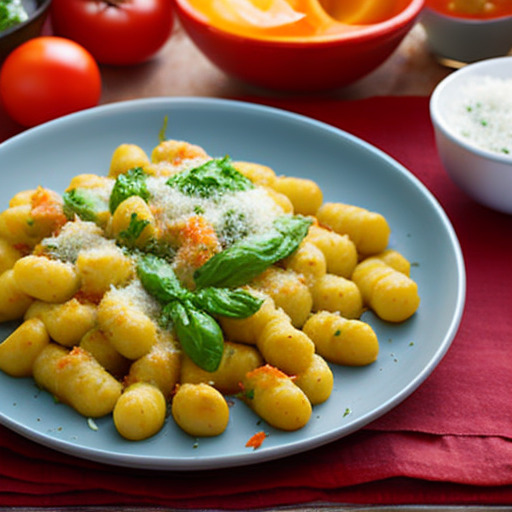
gnocchi recipe
Everything You Need to Know About Making Gnocchi: A Comprehensive Guide
Making homemade gnocchi may seem like a daunting task, but with the right ingredients, tools, and techniques, it can be a rewarding and delicious experience. In this comprehensive guide, we’ll cover everything you need to know about making gnocchi from scratch, including the history of this traditional Italian dish, the ingredients required, the steps involved in preparing the dough, and troubleshooting common problems that arise during the process.
Introduction: What is Gnocchi?
Gnocchi is a traditional Italian dish made of small dough dumplings usually served with pasta sauce or butter. This bite-sized comfort food has its roots in ancient Roman cuisine, where it was prepared by mixing grains with water to make porridge. Later on, potatoes were incorporated into the recipe after they were introduced to Europe from South America in the 16th century.
There are many different types of gnocchi based on regional variations in Italy. One popular variation is ‘gnocchi alla romana,’ which is made with semolina flour and baked instead of boiled. Gnocchi can also be made with other types of vegetables such as spinach or pumpkin, in addition to potatoes.
Why Make Your Own Gnocchi?
While store-bought gnocchi is widely available at grocery stores and restaurants, making your own from scratch provides several advantages. Firstly, homemade gnocchi tastes fresher and has a more delicate texture than store-bought versions. Additionally, making your own gnocchi allows for greater control over the quality of ingredients used, enabling you to create unique flavor combinations and ensure that no preservatives are added.
Overview of Recipe and Process
Making gnocchi involves a few essential steps: preparing the potatoes, mixing the dough ingredients together, shaping the gnocchi dough into small dumplings, boiling the gnocchi in water, and then serving it with sauce. While this may seem like a lot of work, each step is straightforward, and with practice, making gnocchi can be both simple and enjoyable.
The Ingredients for Gnocchi
To make the perfect gnocchi from scratch, you will require four basic ingredients: potatoes, flour, eggs, and salt.
Potatoes
Not all potatoes are created equal when it comes to making gnocchi. Waxy potatoes are the best choice since they have low starch content and result in firmer gnocchi. Some commonly used potato varieties in gnocchi include Yukon gold, red bliss, or new potatoes.
Flour
On its own, potato doesn’t provide enough structure for the gnocchi dough to hold together during shaping. The addition of flour provides this structure. Traditionally, Italian 00 flour is used; however, all-purpose flour works just as well.
Eggs
The eggs help bind the dough together and contribute to the final texture of resulting gnocchi. Fresh eggs are essential for tasty homemade gnocchi dishes.
Salt
Salt plays an essential role in seasoning the gnocchi dough. While some people prefer to use sea salt or kosher salt, regular table salt works well too.
Preparing the Potatoes
Choosing the right potato type is just half the battle - how you prepare them also counts a great deal.
Boiling vs Baking Potatoes
There are two main ways to cook potatoes for making gnocchi - boiling and baking. Boiling requires less time but results in more watery potatoes, while baking takes longer but results in a drier and creamier potato texture.
How To Mash Potatoes
Once the potatoes are cooked, they must be mashed to make the gnocchi dough. It is recommended that you use a potato ricer or food mill to mash the potatoes since these tools result in the smoothest texture.
Mixing The Dough
The next step in making gnocchi is mixing all of the ingredients together to form a dough.
Adding Flour to the Mashed Potatoes
Start by adding some flour to the mashed potatoes and then knead everything together until it forms a soft and pliable dough. Usually, 2 cups of flour per every 1-pound of potatoes should suffice.
Incorporating Eggs and Salt
After kneading in the flour, add eggs and salt into the dough mixture and continue kneading until everything is fully combined.
Shaping And Cutting The Gnocchi
Once you have mixed up all your ingredients to create a smooth and elastic dough, it’s time to shape your gnocchi!
Rolling Out The Dough
Start by lightly dusting some flour over your work surface before rolling out small fistfuls of dough into 1/2 inch-thick ropes. You can also design gnocchi filling with cheese or other condiments in this stage before cutting them into individual pieces.
Cutting The Dough Into Gnocchi Shapes
Next, cut each rope into little gnocchi nuggets with either a fork or by pressing down while cutting on a traditional wooden board. Then transfer each piece gently onto a floured surface.
Cooking The Gnocchi
Now that you’ve made your homemade gnocchi, it’s time to cook them up.
Preparing A Pot Of Boiling Water
First, bring a large pot of salted water to a boil. Use a substantial pot to avoid overcrowding your gnocchi and create an ample space for water to move around.
Adding The Gnocchi To The Water
Once the water is boiling, drop in your gnocchi dough pieces. Wait for 2-3 minutes or until the gnocchi floats on the surface of the water. Remove gently with a slotted spoon and either sauce or cool immediately.
Serving and Complementing Gnocchi
Gnocchi dishes taste delicious with various sauces and seasoning.
Choosing A Sauce For Gnocchi
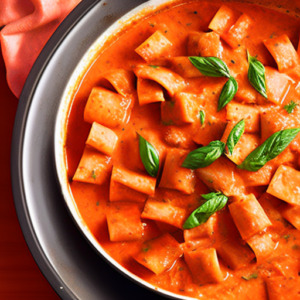
The classic tomato sauce tastes great, but you can also experiment with any creamy sauces with lots of Parmesan cheese on top. Meat sauces like Bolognese are perfect, as are brown butter sauces containing sage or smoked salt to add when frying in olive oil. Don’t forget that vegan gnocchi recipes also exist using tomato or pesto sauce varieties!
Pairing Wines With Real Italian Homemade Gnocchi
The simplest idea for wine pairing with Italian Homemade Gnocchi is Light Red Wine without too many tannins like Pinot Noir. Light reds work well with classic tomato sauce-based gnocchi. Whites like Pinot Grigio also work alternatively for lighter sauces laden with cheese like alfredo sauce.
Troubleshooting Common Problems
Making homemade gnocchi can seem intimidating, but don’t worry – even experienced cooks sometimes run into issues.
Dough Is Too Sticky Or Too Dry
If you find your dough too sticky or not holding together firmly enough, you can always adjust the dumpling dough recipe by adding additional flour or moisture in the form of eggs or oil.
Gnocchi Falls Apart In Boiling Water
If your homemade gnocchi falls apart when it goes into the boiling water, you’ve probably used a potato variety that’s too starchy. Try incorporating more flour and eggs, or switch to different potato varieties that have high-starch content.
Storing and Reheating Gnocchi
You don’t have to eat all your delicious homemade gnocchi creations right away! Store them perfectly to enjoy it later on.
How To Store Cooked And Uncooked Gnocchi
Store your cooked gnocchi in an airtight container in the refrigerator for up to 5 days. If you want to freeze your homemade gnocchi, make sure to place them in a single layer on a baking sheet first before transferring them to an airtight container after they’ve frozen. Raw gnocchi can be frozen in the same manner and kept well for around a month.
How To Reheat Gnocchi
To reheat gnocchi, add them straight from the refrigerator into boiling water for about 2-3 minutes. Alternatively, you can also use the microwave oven, oven, or stove for reheating gnocchi leftovers.
Tips For Perfect Gnocchi
Making perfect homemade gnocchi requires practice and attention to detail.
Preparing The Dough In Advance
Prepare your gnocchi dough in advance and chill it overnight in the fridge before rolling. It helps the starch firm up efficiently resulting in chewy nutty gnocchi.
Using Top-Quality Ingredients
For excellent results, use only high-quality ingredients like fresh eggs, fine-grained semolina flour, garden fresh herbs, and veggies. While it may cost a little extra, the taste will more than make up for it!
Conclusion
Making homemade gnocchi is easier than you might think. Armed with this comprehensive guide on ingredients, preparation steps, troubleshooting, and serving options, you can try your hand at making delicious homemade gnocchi that is sure to wow everyone. Get creative and experiment with different sauces and flavor combinations until you discover your personal favorite!
Gnocchi Recipe - 7 FAQs to Know
1. What are gnocchi?
Gnocchi are small, dumpling-like Italian pasta made from potatoes and flour. They’re light and fluffy, with a slightly chewy texture that’s perfect for soaking up sauces.
2. What’s the best way to cook gnocchi?
The best way to cook gnocchi is to boil them in salted water until they float to the top, then scoop them out with a slotted spoon. You can also pan-fry them for a crispy texture.
3. Is it easy to make gnocchi from scratch?
Yes, it’s easy to make homemade gnocchi! All you need is potatoes, flour, and a little bit of patience. With practice, you’ll become an expert at rolling and shaping these delicious little dumplings.
4. Can I use sweet potatoes instead of white potatoes?
Absolutely! Sweet potato gnocchi have a slightly different flavor and texture, but they’re just as delicious as the traditional version. Just be sure to adjust the amount of flour you use accordingly—the exact ratio can vary depending on the sweetness and moisture content of your sweet potatoes.
5. How should I serve gnocchi?
- With tomato sauce
- In a creamy cheese sauce
- Tossed with pesto
- Served with meatballs or sausage
The possibilities for serving gnocchi are endless! Pair them with your favorite sauces, meats, and veggies for a delicious meal that everyone will love.
6. Can I freeze leftover gnocchi?
Yes, you can freeze gnocchi! Just arrange them in a single layer on a baking sheet and freeze until solid, then transfer them to an airtight container or freezer bag. When you’re ready to use them, simply boil or pan-fry them as usual.
7. How long will homemade gnocchi keep in the fridge?
Homemade gnocchi will keep in the fridge for up to 3 days if stored in an airtight container. If you need to store them for longer than that, it’s best to freeze them instead.