
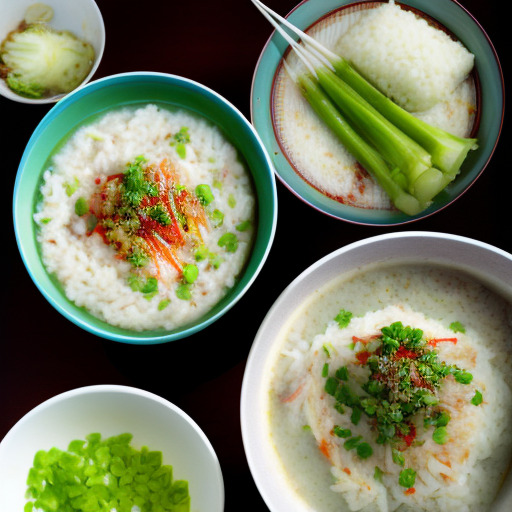
The Ultimate Guide to Crafting the Perfect Congee Recipe
Congee, also known as rice porridge or jook, has been a staple food in many Asian countries for over 1,000 years. Although it originated in China and is still a widely popular comfort food there, it has gained popularity globally for its ease of preparation, versatility, and heartwarming flavors. In this article, we will outline everything you need to know about crafting a perfect congee recipe.
Introduction
If you’re not familiar with congee, you might be wondering what it is. It’s a savory rice porridge that is typically made by simmering rice in water or broth until it breaks down into a thick and creamy consistency. Congee has been associated with nourishment, comfort, and healing properties for centuries.
Culturally significant in many Asian countries like China, Korea, Japan and also India, it’s a dish served on various occasions such as weddings, birthdays or times of illness. The fact that it’s gentle on the stomach and easily digestible makes it an easy favorite for anyone growing up in those regions.
Choosing Your Ingredients
When it comes to crafting the perfect congee recipe at home, choosing the right ingredients is crucial. Below are some helpful tips:
Best types of rice for congee
Using the correct type of rice is key to getting the creamy texture of your congee just right. Short-grain varieties like sushi rice or glutinous rice are excellent options as they tend to break down more quickly than long-grain rice types such as Basmati. Some other popular choices include jasmine or broken rice.
Other grains to consider
If you’re feeling adventurous, try mixing in other grains like barley, quinoa, or oats for added texture and flavor profiles.
Meats:
- Chicken - bone-in and skin-on is recommended for added flavor
- Pork – cuts like shoulder, belly or even bacon give great results
- Beef – use tender cuts like chuck or sirloin, or oxtail for a meatier flavor profile
- Seafood - shrimp, squid, and shellfish work well with congee recipes if added at the end of cooking to avoid overcooking.
Vegetables and herbs that compliment congee recipes
Adding vegetables into your congee recipe can provide a balance to the overall flavors; some great examples include:
- Ginger – Adds a warm spicy kick to the dish which helps promote circulation in the body.
- Garlic – Imparts an alluring aroma as well some natural health benefits.
- Scallion – A classic addition that provides added body and depth of flavor.
- Cilantro - Fresh and bright tasting herb that works well as garnish too.
Spices to add flavor
The traditional congee recipe calls for just salt and white pepper. Still, there are many ways to enhance your dish with additional spices such as five-spice powder, turmeric, cumin, coriander or even curry powder depending on your preference.
Preparation and Cooking Techniques
Basic steps in making congee
To make congee from scratch:
- Rinse rice under cold running water several times until it’s free from impurities.
- Soak rice in water for 30 minutes to 1 hour before cooking to shorten the overall cooking time and produce a creamier texture.
- In a pot or rice cooker, add rice and liquids like chicken broth or plain water.
- Simmer and stir occasionally for at least an hour until the rice has absorbed most of the liquid, and the mixture takes on a porridge-like consistency.
Importance of soaking rice before cooking
Soaking rice hydrates its outer layer, which makes it tender more quickly as well as soften the grains’ texture. It also helps to reduce the overall cooking time; hence, you will use less heat, saving you energy and cooking time as well.
Cooking using a pot or a rice cooker: The benefits and drawbacks of either method:
The traditional way of making congee is by using a pot because it allows you to regulate the heat easily. Still, an electric soy/milk maker or rice cooker can produce similar creamy mouthfeel because they have built-in slow-cooking functions. On the other hand, electric appliances do not allow for traditional smoking techniques that add extra flavor using ingredients like tea leaves or wood chips
Smoking your chicken or meats before adding them to the pot
If using meat, infusing them with smoky flavors beforehand enhances the overall depth of flavor in your finished dish. A stovetop smoker, grill or your oven can be used for this process.
How to make creamy congee without dairy
Rice has natural starches that thicken up once cooked down with liquids mentioned above. Therefore there is no need to use dairy products to produce a silky texture, which makes it perfect for vegans and lactose intolerant folks.
Delicious Variations to Try
A good thing with congee is that you can customize your recipe to fit your specific taste buds. Here are some variations to try:
Traditional Chinese Congee Recipes: Plain, Pork with preserved egg and century egg, Chicken, fish, etc.
Congee is a comfort food with different variations depending on the upbringing of people from various regions in China. Some popular ones include:
- Fried minced pork or bacon congee - has a crunchy bite because of the fried toppings
- Century egg and pork congee - The century egg has an unusual reaction where the egg white turns brown during the preservation method, giving it a unique and complex flavor
- Preserved vegetable and dried oyster congee – salty-sweet combination that pairs well with fresh cilantro.
- Fish congee – mild-tasting fish like catfish, tilapia or sole gives this variation a delicate texture that’s almost silky
Indian Congee recipe examples
In India, rice porridge is more commonly known as khichadi, a mashup of rice and lentils spiced with turmeric, ginger, garlic and cumin seeds, usually served as a comfort food during sickness when folks have lost their appetite.
Mexican and Latin American inspired recipes to spice things up
You can add toppings such as crispy chorizo or roasted corn into your porridge to give you some umami flavors and crunch. For lovers of spiciness, jalapenos or habanero peppers could provide the necessary heat while tomatoes or corn can offer a perfect sweet-tart balance.
Ideas for incorporating leftover roast meats into your next congee creation
Leftover roasted turkey, chicken or pork can be repurposed as ingredients for congee. The meat infuses extra flavors that add depth to the dish and gives an excellent use of leftovers.
Vegan and vegetarian variations
Vegans and vegetarians should substitute crabsticks, shrimp or the typical meat dishes with beans, vegetables or tofu instead. Such toppings give added nutritional benefits yet tickle the taste buds quite well.
Serving Suggestions
Tips for garnishing and serving congee like a pro
While porridge is often served plain, adding garnish not only enhances the aesthetic appeal but also the flavor profile. Here are some popular toppings around the world to try:
- Crispy crullers - also known as You Tiao in Chinese helps add crunchiness
- Fried onion flakes - Imparts sweetness and aroma, which balances out the savory flavors in your porridge.
- Pickled ginger - adds a sour, juicy component to the dish that contributes acidity to cut across rich umami flavors from meat.
- Dried Bonito flakes – Shave thin flakes on top of your bowl which dances atop the hot porridge thanks to its heat while giving an umami boost.
Popular condiments like pickled ginger or crispy shallots that help enhance the flavor profile
Congee lends itself to many different condiments that compliment its delicate taste aroma. From soy sauce and sambal oelek to sesame oil and hoisin sauce, there’s something for every preference.
Creative ways to serve congee beyond a bowl
You can transform your rice porridge into some appetizing dishes by pairing it with other ingredients. For example, chicken and mushroom congee stuffed in wonton wrappers and steamed or roasted acorn squash filled with brown rice porridge.
Adding a Health Twist to Congee
Congee as a healthy gut food
Congee is known as being gentle on the digestive system, mainly because of how cooked the grains become. Less effort is needed to digest it; this means that nutrients are absorbed quicker into the bloodstream, which assists with bloating and constipation issues.
What are some ingredients that can boost the nutrition value of your congee?
Another bonus of eating congee is that it’s a low-calorie meal with plenty of protein, fiber, prebiotics and resistant starch while being versatile enough to fit many dietary needs. Examples include tofu, shiitake mushrooms which are rich in vitamin D, essential amino acids and antioxidants that help fight off diseases
How to use ancient grains like quinoa, farro or barley in place of rice without sacrificing flavor
Using ancient grains in place of rice not only adds variety in texture, earthy flavors but also nutritional benefits. To make a quinoa or farro-based congee recipe:
- Rinse 1 cup of grain thoroughly
- Add grain to 6 cups of chicken broth or water
- Cook on slow heat for about 20-25 minutes until desired porridge-like consistency is reached
- Serve with toppings as desired
Cultural Significance in Modern Day Context
The role Congjee can play in multicultural communities
As the world becomes more interconnected, trying different dishes from different regions is essential. Congee, although having a rich culture and history, is not exclusive to Asian countries alone. It plays an important role in representing difference and inclusiveness.
Stories from people who have embraced this humble dish on their menu.
Congee has become a more widespread phenomenon globally of late- its liberal ingredient usage is seen as a part of its appeal. It has now become common to find congee variations at high-end restaurants to fast-casual dining establishments, but also available for home delivery even via Third-party services. As more and more people experiment with this versatile dish on their menus, they can testify it’s indeed satisfying and filling not just on the palate but even for long term nutrition needs.
Tips for meal Prepping with Congee
How much can you make at a time?
Congee does not freeze well; therefore, it’s best consumed over an extended period rather than stored frozen. A good rule of thumb is around 5-6 cups of cooked congee that will last several days when stored in the refrigerator, depending on how hungry you are and generous serving sizes.
Best ways to store it for later consumption:
Cool the congee down to room temperature before covering it with cling wrap or an airtight container that makes it easier to reheat once you’re ready to serve. Stirring in some extra broth before reheating will revitalize the silky-smooth texture that might be lost during refrigeration.
What to Drink with Congee
Best tea pairings:
Tea pairs effortlessly alongside congee, making them the perfect duo. From green tea to Pu-erh, the options are endless. A hot cup of tea after a filling bowl of rice porridge is a perfect way to relax and go through your day with a replenished boost.
Alcoholic beverages that could compliment the flavor profile.
While it’s essential to drink alcohol in moderation, some spirits can enhance the flavor notes of your congee dish. Sake or Shaoxing wine fermented from rice and seasoned with herbs work well alongside the cuisine. Spicy beers or ones infused with fruit flavors also match the trendy flavors online among enthusiasts.
Troubleshooting Tips
Common mistakes that result in gluey or too runny congee:
If your congee ends up being too thick or sticky to your liking, keep cooking it longer at low heat slightly longer than recommended so that it continues to break down and become creamier over time. On the contrary, if your recipe has resulted in a thin and runny mixture, add more liquids gradually depending on how much you need until the desired consistency is achieved.
How to remedy the situation without starting over:
Before deciding to throw away slightly undercooked congee, try adding some water or broth and letting it continue cooking on the stove for a bit longer as advised before - this will likely make any gluggy texture disappear.
Conclusion
Not only is congee tasty, comforting, and versatile- it is easy enough to put together in an hour or less when compared to many other dishes globally. This article should leave you with plenty of ideas about how to start playing with different ingredients and flavor profiles creating unique versions superior to many already on the market. The evolving popularity of congee alerts us that there’s always room for improvement to create your own version of this timeless classic.
Frequently Asked Questions About Congee Recipe
What is Congee?
Congee is a type of porridge made from rice that has been boiled in water or broth until it becomes soft and creamy.
What are the Varieties of Congee?
There are various types of congee, including chicken congee, pork congee, seafood congee, and vegetarian congee. These different types can be made by adding different kinds of ingredients to the basic recipe.
What are the Benefits of Eating Congee?
Congee is often viewed as a comfort food and is easy on the stomach. It may also have potential health benefits such as aiding digestion and reducing inflammation in the body.
How Do You Make Congee?
To make congee, you will need rice, water or broth, and any additional ingredients you wish to add. Rinse the rice several times until the water runs clear. Then, cook the rice with your choice of liquid over low heat for 1-2 hours or until it has reached your desired consistency. Stir occasionally to prevent sticking.
Here’s a quick recipe:
- 1 cup white rice
- 6-8 cups water or broth
- Salt to taste
Combine all ingredients in a large pot and bring to a boil. Reduce heat to low and simmer for 1-2 hours or until smooth and creamy in consistency.
What Can You Serve With Congee?
You can serve congee with various toppings such as green onions, cilantro, soy sauce, sesame oil, peanuts, or pickled vegetables. It can also be paired with side dishes such as Chinese donuts, stir-fried vegetables, or dumplings.