
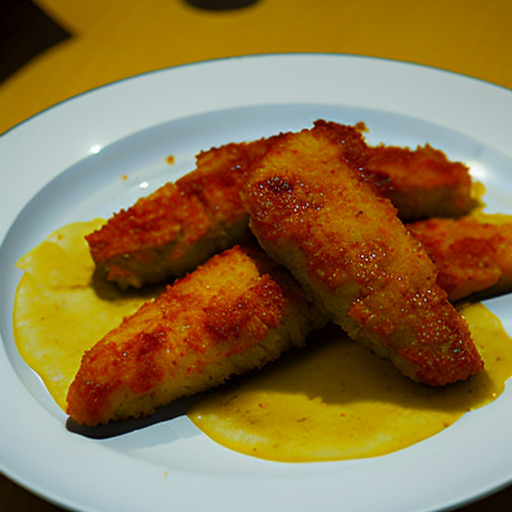
How to Make Traditional Tamales: A Step-by-Step Guide
Tamales are a cherished and iconic dish from Mexico, central and South America. These delicious savories are typically made with a corn-based dough, called masa, which is then filled with meat, cheese, vegetables, or beans and then wrapped in a corn husk before being steamed until fully cooked. Making tamales at home is easy and satisfying, especially when you have the right tools and follow a step-by-step process. In this article, we will guide you through the process of making traditional tamales from start to finish.
Introduction
Tamales have been around for centuries and have deep roots in Latin American culture. The Aztecs and Maya civilizations are credited with creating these steaming hot treats that come in many shapes and sizes. Traditional tamales are usually made by women cooking together because each batch can take hours to prepare perfectly. Even with modern kitchen appliances today, many people still gather friends or family and make a day of it together.
Making your own tamales is a great way to enjoy authentic flavors of Mexican cuisine from the comfort of your home. Unlike store-bought tamales that made have preservatives or artificial ingredients, homemade ones have fresher ingredients with the added benefits of customization, creating endless flavor options.
Ingredients
Making tamales requires a few key ingredients that you may not already have at home. Some of these ingredients include:
- Masa - corn-flour based dough used as the main ingredient in tamales
- Meat - pork, chicken or beef
- Filling - cheese, peppers, onions
- Achiote paste - a common seasoning mixture for meats
- Dried corn husks - used to wrap the masa mixture before cooking
Main types of masa and differences between them
When selecting a masa dough, there are two types to choose from. The first type is “masa harina,” made from finely ground dried corn. The second type is fresh masa, which cooks make with fresh field corn. Fresh masa is a higher quality than masa harina because it has a richer taste that goes well with meat or vegetable fillings. Masa harina keeps much longer and lasts up to six months when stored in a cool dry place in an airtight container.
Meat options and preparation
Traditional tamales are typically made with pork, but chicken and beef are sometimes used as well. For this recipe, we will be using pork, which you should cook thoroughly before proceeding with any further steps.
To start, blanch your pork in boiling water for 30 minutes and then tenderize it by shredding the meat using two forks. Some people like to season their meat while it’s still being boiled by adding two cloves of garlic and a tablespoon of salt to the water before the meat is added.
Other fillings: cheese, beans, vegetables
Feel free to experiment with different filling combinations that suit your taste preferences. You could add cheese if you wanted additional flavor and mellowness with the filling. Alternatively, combining beans or roasted veggies such as green chilies or jalapenos will provide a spicy option for those who prefer more kick in their tamales.
Equipment Needed
In addition to various ingredients required for making tamales, specific equipment is needed too, such as:
- A Steamer pot to boil tamales ideally one that can fit multiple layers of the rack into the pot.
- A Tamale spreader to help build even layers of masa recipe over the husks.
- Corn husks to wrap and steam the tamales before serving.
Traditional tools (steamer pot, tamale spreader, corn husks)
The most important tool needed is a traditional steamer pot, with multiple layers of racks to stack the tamales. A tamale spreader or corn husk press can help even thin masa layers over your corn husks better and faster than doing it by hand.
Alternative equipment options
If you don’t have access to traditional equipment, such as a Steamer pot or making homemade Masa, you can alternatively use alternative kitchen tools such as a slow cooker or an instant pot.
Preparing the Corn Husks
The first step in tamales preparation is preparing the corn husks. Start by soaking them in warm water for at least an hour until they become soft enough to be manipulated easier when wrapping them around the masa dough. To keep them pliable while assembling tamales, place the husks in a bowl of warm water for about 30 minutes before using them.
Soaking methods
Soak your dried corn husks in boiling hot water for about ten minutes or until they are pliable and easy to roll.
How to soften husks for easy assembly
Before you begin any tamale assembly, make sure that all of your corn husks are cleanly separated from one another so that you can work with them easily. Remove any excess strands of strings that may be attached. Softening husks requires cleaning all dirt away from them and then soaking them completely immersed in warm water for an hour. This process will make the husks pliable and easy to use when compressing the masa dough.
Making the Masa
Masa is the main ingredient for tamales and can be tricky to get right. Be sure to measure your ingredients carefully and follow the instructions below:
Cooking tips for masa lines
When cooking Masa, it’s important always to cook it on low heat while stirring frequently, so that it doesn’t stick to the pan or become dry. Add 1/3 extra broth or water than what is needed to keep it hydrated before adding any additional seasonings or salt.
Mixing process for smooth consistency
When hand mixing the masa, add in a little stock to keep it moist. Use a handheld mixer or hard-surfaced grinder plate known as “Nixtamal” device for grinding corn that yields authentically textured dough.
Preparing Meat and Fillings
The classic meat filling for Tamales is shredded pork cooked with onions, garlic, chili powder cumin, and oregano; however, chicken or beef may also be used.
You can get creative with other types of filling if pork isn’t your favorite. Cheese, beans, and vegetables are all great options that complement corn flavor. Make sure all fillings are cooked through well enough so that they’re not undercooked when steaming later on.
Blanching meat
To blanch your meat, bring a large pot of water with garlic cloves and salt added to a boil, add your meat, reduce the heat and simmer for around 30 minutes. Turn off the heat and let it cool down before shredding.
Roasting vegetables and other fillings
If you want to include roasted vegetables like poblano-like chilies for added flavor, roast or cook vegetables first then add whichever other ingredients you like.
Assembling the Tamales
One of the most crucial parts of making tamales is understanding how to assemble them. To stack your tamales, take a softened corn husk, and add the masa dough on top; then, place some pork and/or any other filling that you want in the center. Once this is done, fold it over and seal up all edges so that no filling can leak out while cooking.
Spreading masa on the husks
Build a base layer of masa dough on top of each prepped cornhusk evenly, with an offset spatula or Tamale spreader tool spreading the dough in a flat motion!
Filling variations and amounts
Add cooked seasoned filling onto the flattened Masa layer right in the center - about 2-3 tablespoons’ worth before wrapping everything up.
Rolling the Tamales
Once you’ve inserted your filling and pulled over your husk’s sides be sure to fold the bottom end up and make sure your hus due to tightly wrapped.
Proper rolling techniques
Rolling tamales can be challenging if you’re not used to it. A trick for beginners, roll only half-way down before folding both sides over - this will keep things from getting too difficult in case you need more adjustment time.
Methods for end closure
Closing up ends using husks are easy enough, though rolling them tightly may take some practice at first so that they don’t open later during steaming. Ensure tightly sealed whether using a twine or corn tie it off at one end keeping it neat before doing anything else.
Steaming the Tamales
To cook tamales, it’s essential to steam them to lock in flavors and softness. You can do this a few ways, including using a traditional steamer pot or instant pot.
How to set up traditional steamer pot
Fill the base of your steamer pot with water and then add sliced onions or garlic for added flavor. Put the tamales on the rack above the water and cover with a layer of soaked corn husks before cooking on low heat for about an hour until cooked through.
Cook time recommendations
Slow cooking is usually required when making tamales; the slower it cooks, the more tender will be. Cook your tamales for around 1 hour and 30 minutes, making sure that they’re cooked all the way through.
Alternative cooking methods (slow cooker, instant pot)
If you prefer other cooking options such as placing your tamales in a slow cooker or an instant pot, this is perfectly okay too. Follow the manufacturer’s instructions on the preferred device method.
Storing and Serving Tamales
Once the tamales are done, they need to be stored safely and served appropriately for best results.
Storage options in freezer or fridge
Tamales freeze well if you plan to store them for later use. Store leftovers in an airtight container or Ziplock sealable plastic bag after cooling down then refrigerate and keep for at least one week. To store longer, freeze and wrap individually in Saran wrap and put into Ziplock sealable bags to store multiple together.
Suggestions for reheating tamales
The best option for reheating frozen tamales is by steaming them once more if desired by removing from freezer bags as needed keeping covers on them with pot lids or simply adding water at the bottom of the pot and covering with a lid to steam again on low heat for 25 minutes once fully defrosted.
Traditional sauce pairings (salsa roja, verde)
Tamales are served with a side of red or green sauce and traditionally topped with sour cream. With different salsa flavors and toppings, you can customize your tamales according to individual preferences.
Troubleshooting Tips
Common issues that arise while making tamales include dry masa, uncooked fillings, or tamale breakdown when steaming. Here are some troubleshooting tips to help overcome these issues:
Dry masa
Often caused by not adding enough broth or water when mixing, adding more liquid will help give it the required moisture level.
Uncooked filling or overcooked masa
These problems often arise from using too much or too little filling. Be sure to follow the recipe guidelines for each step to maintain proper ratio to make sure your tamales have the right consistency and taste.
Falling apart during steaming
To prevent tamale damage while cooking in water, position them seam side down in their individual husks and render consistent spreading over Masa layers without leaving any particular lump areas.
Conclusion
Making tamales takes time and requires specific tools, but it is a satisfying culinary achievement that produces a delicious outcome unique among other meals in texture and taste. With this step-by-step guide, hopefully you feel more confident in creating traditional tamales that you can enjoy with friends and family. Whether making tamales to serve as an appetizer or as an evening party snack, there is something special about preparing it with your hands.
Frequently Asked Questions About Tamales Recipe
1. What are tamales?
Tamales are a traditional Mexican dish made of masa (a dough made from corn) that is filled with meat, cheese, vegetables, or fruits and then wrapped in a corn husk before being steamed or boiled.
2. What ingredients do I need to make tamales?
You will need masa harina (corn flour), pork lard or vegetable shortening, chicken or beef broth, baking powder, salt, and filling ingredients such as shredded meat, cheese, or vegetables. You will also need corn husks for wrapping the tamales.
3. Can I make tamales without a steamer?
Yes, you can make tamales without a steamer by using a large pot and a metal colander or steaming basket. Fill the pot with water up to the level where the colander or basket can sit comfortably inside without touching the water. Place the tamales on the colander or basket over medium-high heat and cover with a lid to steam for about 1 hour.
4. How do I know when the tamales are ready?
The best way to test if the tamales are cooked through is by opening one up and checking the consistency of the masa. The dough should feel firm but tender and should not have any raw taste or texture. The filling should be hot and cooked through as well.
5. Can I freeze leftover tamales?
Yes, you can freeze leftover tamales by wrapping them individually in plastic wrap or foil and placing them in an airtight container or freezer bag. To reheat, simply steam them for a few minutes until heated through.
Now that you know the basics of making tamales, it’s time to get creative with your fillings and seasoning. Whether you prefer spicy pork, cheesy chicken, or sweet pineapple, tamales are a delicious and satisfying meal that can be enjoyed any time of the year. Happy cooking!