chimichurri recipe
Master the Art of Chimichurri with This Easy Recipe
If you’re a fan of Argentine cuisine or just love condiments, then chimichurri is a must-try dish. It’s a sauce made from fresh herbs, garlic, oil, and vinegar that pairs perfectly with steak, grilled chicken, fish, and vegetables. In this article, we’ll teach you how to master the art of chimichurri with this easy recipe, so you can enjoy the delicious flavors and benefits of this versatile sauce.
Introduction
What is Chimichurri?
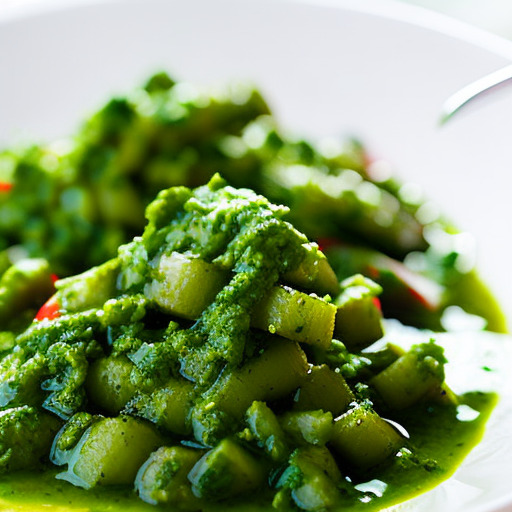
Chimichurri is an uncooked sauce commonly used in Argentina, Uruguay, and other South American countries as a condiment or marinade for meat. The sauce is made from chopped parsley, minced garlic, olive oil, oregano, vinegar and red pepper flakes or chili powder. Other variations may include cilantro, rosemary, thyme and lemon juice.
A brief history of Chimichurri
The name “chimichurri” has uncertain origins but it’s likely that it’s derived from Basque or Spanish origin. The sauce was believed to be first used by gauchos who use it for flavoring their beef while on long cattle drives throughout Argentina around the 19th century.
The importance of Chimichurri in Argentine cuisine
Chimichurri is regarded as one of Argentina’s most popular condiments. It’s served with most meals and complements everything – from asado (barbecued meats) to empanadas (pastries filled with meat or vegetables). Due to its versatile nature and refreshing taste profile, chimichurri has transcended borders and is now available in most South American restaurants globally.
Importance introduction
Now that you know a little background about chimichurri, let’s start with the recipe. But before jumping right in, let’s cover all the ingredients, equipment needed, preparation tips, types of chimichurri, and health benefits. Knowing everything upfront will give you a better understanding of how to prepare this dish perfectly.
Ingredients
Traditional ingredients for Chimichurri
- 1 cup fresh flat-leaf parsley
- 1/2 cup fresh oregano leaves
- 4 garlic cloves, peeled and chopped roughly
- 1/4 cup red wine vinegar
- 1/2 teaspoon salt (or adjust to taste)
- 1/2 teaspoon freshly ground black pepper (optional)
- Pinch red chili flakes or pepper
- ½ cup olive oil (or as needed)
Optional ingredients to add personal touch
- Cilantro leaves – Adding cilantro leaves is a great way to add freshness and extra flavor to the sauce.
- Basil – Basil enhances the fragrance of the chimichurri sauce and helps cut out the strong flavor of parsley and oregano.
- Lemon juice or lime juice – Lemon or lime juice adds zingy citrus flavor and helps balance out acidity from vinegar.
- Honey- adds a subtle sweet taste to your chimichurri sauce.
- Diced Shallot - For added texture and flavor, you can add in some minced shallot
Quality and freshness of ingredients
To make the best chimichurri, it’s essential that you use fresh and high-quality ingredients. Check your local farmer’s market if possible some local markets sell organic herbs and spices. Use fresh herbs instead of dried ones because fresh parsley and oregano leaves provide a bright, earthy flavor. Using premium quality olive oil is also crucial for rich and smooth texture. You can substitute red wine vinegar with apple cider or white wine vinegar for a milder tang.
Equipment Needed
- Blender or Food Processor
- Cutting Board
- Knife
- Bowl or Jar
Preparation
Washing and drying herbs and vegetables
Clean all your herbs thoroughly to remove any dirt or debris. You can use a salad spinner or rinse them under cold running water. Remove any excess water on the leaves before using.
Chopping herbs and garlic
Start by chopping the parsley and oregano into small pieces then put them into a bowl. Next, chop the garlic in small bits making sure they are as tiny as possible.
Mixing all the ingredients
Add all the chopped herbs along with minced garlic, salt, red chili pepper flakes, olive oil, and vinegar to a food processor or blender. Pulse until well combined but still chunky consistency OR until completely smooth, whichever you prefer.
Storing chimichurri
You can store the chimichurri in an air-tight container such as a jar in the refrigerator for up to one week. You can also freeze it in small serving pieces and take them out whenever you need them.
Types of Chimichurri
Green chimichurri recipe
Green chimichurri is the original, most traditional recipe used in Argentina. The name comes from the green color of the sauce due to the high amount of parsley and other herbs used.
Traditional Green Chimichurri Recipe
- 1 cup fresh flat-leaf parsley
- 1/2 cup fresh oregano leaves
- 4 garlic cloves, peeled and chopped roughly
- 1/4 cup red wine vinegar
- 1/2 teaspoon salt (or adjust to taste)
- Pinch red chili flakes or pepper
- ½ cup olive oil (or as needed)
Variations for Green Chimichurri Recipe
- Add Fresh Cilantro Leaves :
Cilantro is a popular herb and goes well with the flavor of parsley. You can substitute cilantro for some of the oregano. - Add Spices: Add some spices like smoked paprika, cumin, or coriander to give your chimichurri recipe a twist. Just remember that these spices should be well balanced with other ingredients so that they don’t overpower other flavors.
- Add Some Heat: Use Serrano pepper or jalapeno if you like your food spicy.
- Add Lemon Juice: If you like tangy flavors, add some lemon juice to give your chimichurri sauce a zesty kick.
Red chimichurri recipe
Red Chimichurri is a variant of the classic green sauce recipe that includes red bell pepper, packed with extra bold and tangy flavors as well as smokiness.
Traditional Red Chimichurri Recipe
- 1 cup fresh flat-leaf parsley
- 1/2 cup fresh oregano leaves
- 4 cloves garlic, minced
- 1 large red bell pepper, roasted and peeled
- 1 small red onion, minced
- 1 teaspoon smoked paprika
- 2 tablespoons sherry vinegar or red wine vinegar
- Pinch salt and black pepper to taste
- 1/2 cup olive oil (or as needed)
Variations for Red Chimichurri Recipe
- Add Some Spices: Smoked cumin or chipotle powder can take your red chimichurri to the next level by adding some heat and smoky flavor to it.
- Add Jalapeno: If you love your food spicy, throw jalapeno in there. It pairs well with the other spicy ingredients and adds even more flavor to your chimichurri sauce.
- Add a Dash of Hot Sauce: If you want something that’s not too overpowering but still has a bit of heat, add a dash of hot sauce into the mix. Try adding a tablespoon of Tabasco or any other type of hot sauce you like.
- Add Orange Zest: A little orange zest is an unexpected yet perfect addition to chimichurri. It adds a citrusy brightness that cuts through the acidity of the vinegar-based sauce.
Pairing Suggestions
How to use Chimichurri in food pairings
You can use chimichurri sauce as a marinade for different meats, chicken and vegetables before grilling, or pair it with anything you would typically season with salt and pepper. Chimichurri can also be used as a dipping sauce for bread or fries.
Foods that taste better with Chimichurri
- Barbacue meat (beef, chicken, pork and any other meat)
- Grilled vegetables( bell peppers, eggplant, zucchini, onion etc)
- Roasted Potatoes: Spread some chimichurri sauce on top of your roasted potatoes, and you are good to go.
- Seafood: Pan-fry shrimp or fish fillets and drizzle some chimichurri over them to give them a tangy taste.
- Pizza: Add chimichurri to your pizza toppings adding an Argentinian twist to take-out.
Serving suggestions
Plating suggestions for Chimichurri
You can serve it in a small bowl alongside your meal or spread it over your signature dish. Spread it between bread slices for your sandwiches or burgers.
Different ways to serve Chimichurri (with bread, burgers, etc.)
You can serve the chimichurri sauce with a warm baguette or toasted sourdough bread topped with tomatoes or avocado pieces for an easy snack. You can also drizzle it over burgers for some added flavor and texture.
Tips & Tricks
Storage tips for freshest & longest-lasting Chimichurri possible
You should store chimichurri sauce in an air-tight container in the fridge and add extra olive oil to the top to preserve its bright green color and smooth consistency. Freeze leftover sauce by pouring it into ice cube trays or pouches that you can take out as necessary. It can last up to 6 months when stored this way.
How to tweak a recipe you don’t like based on your preferences
If you don’t like something in a recipe, feel free to adjust, swap, or omit it according to your preference. Increase or decrease the amount of vinegar or onion depending on how tangy you want it. If you find the sauce very chunky after blending, you can add more olive oil and blend again until you get your preferred consistency.
Safety concerns while cooking or preparing your meal with Chimichurri
It’s important to maintain a clean kitchen while making chimichurri. Check all ingredientsbefore using for any contamination or pesticides and wash everything thoroughly before usage. Check the expiration date of all ingredients used before incorporating.
Health Benefits of Chimuchurri
Nutritional content in chimichurri ingredients
Chimichurri is packed with heart-healthy garlic, antioxidant-rich parsley, and immune-boosting oregano. It’s low in carbs and calories as well as high in good fats (olive oil). It has no gluten, dairy ingredients making it perfect for vegetarians, and those with gluten intolerance.
Positive effects on digestion, inflammation, skin etc.
Chimichurri is believed to have numerous health benefits such as anti-inflammatory properties, aid in digestion due to ingredients like garlic, and help regulate blood pressure levels. Parsley acts as a natural detoxifier that helps cleanse the liver and kidneys. Olive oil contains Oleic acid which helps improve skin texture, reducing dryness and flakiness.
Conclusion
To conclude, mastering the art of chimichurri will allow you to enjoy its delicious flavors and impressive health benefits. We hope this detailed recipe has provided you with all the necessary information to make your perfect chimichurri sauce. All it takes is some fresh herbs, vinegar, oil and red pepper flakes (plus any other variations you prefer), paired with your favorite foods or used as a marinade for meats. Try making it at home yourself using our recipe and enjoy it as much as we do!
Frequently Asked Questions about Chimichurri Recipe
1. What is chimichurri?
Chimichurri is a green sauce originally hailing from Argentina that typically contains parsley, garlic, vinegar, oil, and red pepper flakes. It’s often used as a marinade or condiment for grilled meats but can also be used for vegetables, pizza, and even pasta.
2. How do I make chimichurri?
To make chimichurri, you’ll need to gather fresh parsley, garlic cloves, red wine vinegar, olive oil, salt, and red pepper flakes. Combine the ingredients in a food processor and blend until smooth. Add more oil if the mixture is too thick.
3. What can I use instead of parsley?
If you’re not a fan of parsley or don’t have it on hand, you can substitute cilantro or mint in your chimichurri recipe.
4. How long does chimichurri last?
Store your homemade chimichurri in an airtight container in the fridge for up to two weeks. However, its color may darken over time.
5. Can I freeze chimichurri?
Absolutely! Chimichurri freezes well and can be stored for up to six months. Simply put it into ice cube trays or small containers before freezing.
6. What are some ways to use chimichurri?
- Use it as a marinade for chicken or steak
- Toss it with roasted vegetables
- Serve it as a dipping sauce for bread
- Add it to deviled eggs or potato salad
- Drizzle it over pizza or pasta
7. What’s the difference between chimichurri and salsa verde?
Salsa verde is an Italian sauce that peppers, anchovies, capers, parsley, lemon juice whereas chimichurri contains red wine vinegar, garlic, parsley, olive oil. While both are delicious green sauces for meats and vegetables, the main difference lies in their regional origins and ingredient composition.