challah recipe
The Ultimate Guide to Baking the Perfect Challah Bread
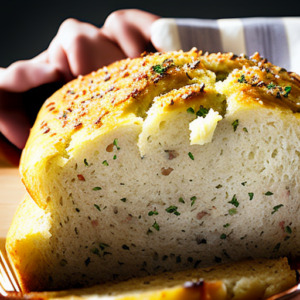
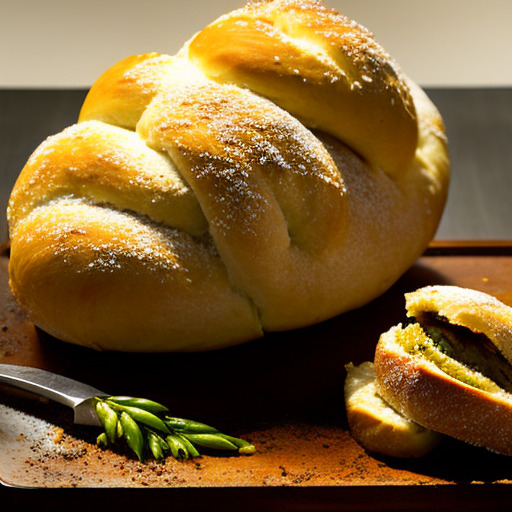
If you’re a fan of soft, slightly sweet, and chewy bread, Challah might be just what you need. Aside from being delicious, it’s also culturally significant, and its preparation is steeped in tradition. Whether for your Friday night dinner or a day snack, homemade Challah is the perfect treat to make. In this ultimate guide, we’ll walk you through everything you need to know about baking the perfect Challah bread.
Ingredients for Challah Bread
The ingredients list for Challah bread is quite simple, and don’t require any hard-to-find or complicated items. Here’s what you’ll need:
Flour types and ratios
Firstly, the flour types matter because they affect the dough’s texture and flavor. Most recipes call for a combination of all-purpose flour and bread flour. The challenge when choosing flour ratios is to balance the gluten content and protein content of each type of flour used.
- All-purpose flour - it’s fine-textured with a lower protein level generally around 10-12%. Using only all-purpose flour instead of bread flour will create a challah with less structure.
- Bread flour - has a higher protein level (around 12-14%), which means more gluten formation; It gives the bread its structure and chewy texture.
The most common ratio is ⅔ cup all-purpose ⅓ cup bread flour, but different flours’ ratios can be altered to change your challah’s taste dramatically or enable an entirely different recipe type.
Yeast and water
Active dry yeast is typically used in bread recipes like challah. When mixed with warm water (approximately 105°F), yeasts feed off the sugar in the sweeteners and converts it into carbon dioxide. Instant yeast is also acceptable, but you can use a little less of it and eliminates the need to activate the yeast.
Sweeteners: Honey, sugar, or syrup
Challah bread is lightly sweetened without being overpowering, and the choices here are many. Sweeteners provide fuel for the yeast which leads to a quicker proofing process and longer shelf life.
- Honey - provides mild sweetness with more intense flavor. The bread becomes darker the more honey used in ratio.
- Sugar - yields in a mild sweetness loaf that is lighter in color than a honey-sweetened version.
- Syrup - maple or agave syrup can sweeten challah without using granulated white sugar. It will have more of a fruit undertone rather than a floral note from Honey
Eggs
Eggs add moisture, protein, and fat to enrich dough and improve the texture of Challah bread by making it softer and more tender.
Salt
Without salt, your challah will taste bland. The insight would be to sprinkle fast-dissolving kosher salt on top of the bread before baking as opposed to mixing it into the batter beforehand.
Oil
Oil makes challah moist again , enhances the flavors and gives it a golden tinge to its texture. Any vegetable oil would work out, but both grapeseed oil or vegetable oil are ideal.
Steps to Make Challah Bread:
Mixing and Preparing the Dough
The key to achieving a perfect incorporation of ingredients is in the process itself. Here’s a step-by-step guide:
Preparing a Starter
To make your starter, whisk the yeast and water for about ten minutes. Add sugar/honey and let this sit longer till it becomes bubbly and frothy, typically 10-15 minutes.
Combining Flours
Bread flour hydrates faster than all-purpose, making it ideal to add to the starter before mixing all-purpose into the dough. The recipe involves adding half of the all-purpose flour while keeping half aside and then the bread flour.
Mixing ingredients together
After you’ve mixed your flours together in a separate bowl, add the egg yolks, salt, oil, and sweetener to the mixture before combining them well with an electric mixer until everything looks smooth.
Kneading and rising the dough
The initial kneading cycle is what activates gluten development. Use a mixer with a dough hook on medium-high speed for roughly 6-8 minutes. Coat a large bowl with cooking spray or oil and transfer the ball to it. Cover with plastic wrap and allow rising till double in size around one hour (or less if you’re using instant yeast).
Shaping the Dough into a Braided Loaf
The shape of your challah contributes to presentation but also determines its texture quality.
Cutting and weighing sections of dough
You may prepare four or six strands of challah by cutting sections of dough depending on your preference (six strands are standard.). Each strand should be about ten inches long.
Rolling out each section into a strand
Gently stretch and roll each section of dough into a strand. Ensure the strands are uniform in their thickness by pulling and shaping till even thickness evenly as you roll.
Braiding the Strands
Begin braiding the strands, ensuring that they are not too tight or too loose. The thicker your flavors go, the tighter you have to braid them together. The final plait may be sealed by pinching it together at both ends.
Finishing the Loaf with an Egg Wash
An egg wash gives challah that golden-brown glow which is accomplished by beating an egg with a dash of salt and brushing this on top before baking.
Rising and Baking Time
Letting your bread rise
You’ll need to let the dough rise for 30-45 minutes more. To avoid over-proofing, keep your oven off and place your bread pan on a counter in a slightly warmer room, far from drafts.
Glazing it before you put it in the oven
A shiny, golden crust often requires an eggwash but is entirely optional
Baking Process
Preheat your oven to 375°F (190°C), put the bread onto an ungreased cookie sheet and bake for 20 minutes before brushing with melted butter or oil again then baking another 15 -18 minutes until fully cooked.
Tips for Beginners Making Challah Bread:
Mistakes during your first few tries are easy to fix; read through several tips below to aid guide you along:
- Using lukewarm water when adding in yeast ensures faster proofing but don’t use water too hot, or your bread may not rise properly.
- Drizzle extra leftovers of sweeteners over the top of the dough before baking, so they caramelize as your dough rises
- If incorporating mix-ins such as cinnamon and raisins or chocolate chips, be aware that they may need different hydration levels than average rolls and loaves.
- The initial rising time might vary depending on the temperature and how active the yeast is.
Variations on Traditional Challah:
Apart from the classic recipe, here are alternative recipes to try:
Cinnamon Sugar Challah Recipe:
- Make your conventional egg challah recipe mix.
- Mix in 3 tbsp softened butter, 2 cups brown sugar, and 3 tsp cinnamon.
- Preheat oven to 350°F and bake for 45-50 minutes until golden brown.
Chocolate chip challah recipe
- Use the traditional egg challah recipe mix
- Add one cup semi-sweet chocolate chips or half a cup mini chocolate chips to the batter, gently kneading it into the dough before braiding and shaping it.
- Bake for approx. 20-35 minutes in a preheated oven of around 375°F (190°C).
What to Serve with Your Challah?
Challah is flexible enough to be served along with many dishes. Here are some samples:
- Gefilte fish with horseradish sauce for a complete Jewish meal.
- Egg Salad, Hummus, or Tuna fish dip for an appetizer
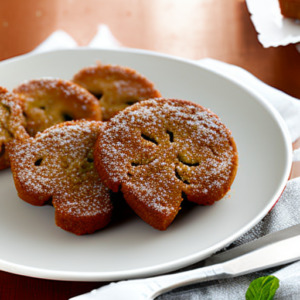
- Mish Mash Soup or Challah French toast, if you’ve got some day-old bread
Storing and Freezing Challah Bread:
Keeping your Challah bread fresh and moist is essential. There’s more than one way to keep it soft and not crumbly even after a couple of days:
- Store in a resealable container to protect it from moisture.
- Wrap it in airtight plastic wrap or aluminum foil and store it in your fridge for up to two weeks.
- For preserving for much longer, freezing is optimal. Once the loaf has cooled well, wrap tight with aluminum foil and put it into a freezer bag. Store for as long as three months before thawing.
Conclusion:
The tradition of baking challah bread has been around for ages, and while many recipes may vary, fundamental tricks have remained unchanged. Creating perfect challah takes practice, patience and surely time but the results are worth it. Getting the ratio of flours right, letting the dough rise adequately and braiding with care are key factors that contribute toward an excellent Challah bake. With this ultimate guide handy, we hope you’ll have all the knowledge you’ll need along your challah-baking journey!
Frequently Asked Questions about Challah Recipe
1. What is Challah?
Challah is a traditional Jewish bread that is typically eaten on the Shabbat and other special occasions. It has a slightly sweet taste and a soft, fluffy texture.
2. What are the key ingredients in Challah?
The key ingredients in Challah include flour, yeast, sugar, salt, eggs, oil, and water. Some variations may also include honey or raisins.
3. What are the steps to make Challah?
- Mix the dry ingredients (flour, yeast, sugar, and salt) in a large bowl.
- Add the wet ingredients (eggs, oil, and water) and mix until the dough forms.
- Knead the dough for about 10 minutes or until it becomes smooth and elastic.
- Let the dough rise in a warm place for 1-2 hours until it doubles in size.
- Punch down the dough and divide it into equal parts (usually 3 or 6).
- Braid the dough according to your desired shape.
- Let the dough rise again for about 30-45 minutes.
- Brush an egg wash on top of the challah before baking at 375°F for 25-30 minutes or until golden brown.
4. Can I make Challah without eggs?
Yes, you can substitute eggs with applesauce or mashed bananas to make it vegan. However, keep in mind that the texture may be different since eggs help to bind and enrich the dough.
5. How do I store leftover Challah?
Wrap the challah in plastic wrap or aluminum foil and store it at room temperature for up to 2-3 days. You can also freeze the bread for up to 3 months by wrapping it tightly in plastic wrap and then in aluminum foil before putting it in the freezer.
6. Can I make Challah in advance?
Yes, you can prepare the dough a day ahead and let it rise overnight in the refrigerator. The next day, take it out of the fridge and let it come to room temperature before braiding and baking as usual.
7. What are some variations of Challah?
- Cinnamon Raisin Challah: add cinnamon and raisins to the dough before braiding.
- Chocolate Chip Challah: mix chocolate chips into the dough before braiding.
- Pesto and Parmesan Challah: brush pesto and sprinkle Parmesan cheese on top of the dough before baking.