
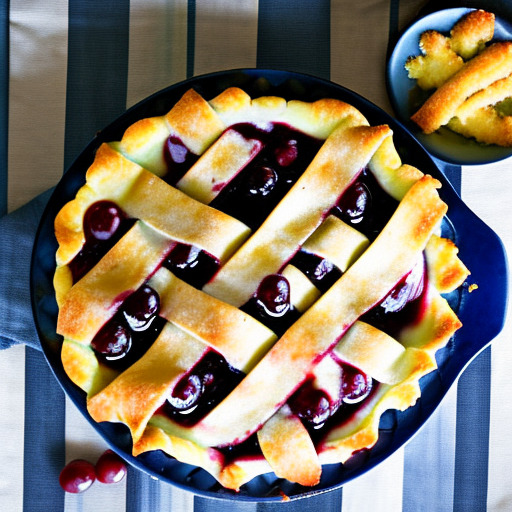
The Ultimate Blueberry Pie Recipe: Tips, Tricks, and Techniques
Blueberry season is upon us, and what better way to celebrate than by baking a delicious homemade blueberry pie? Whether you’re new to baking or a seasoned pro, this ultimate blueberry pie recipe will guide you every step of the way to creating a pie that is bursting with juicy blueberries and has a perfectly flaky crust.
Introduction
Blueberries are one of the most popular fruits for pies, with their sweet and juicy flavor complemented perfectly by a buttery, flaky crust. This recipe is worth trying because it includes tips, tricks, and techniques that will ensure your blueberry pie turns out perfect every time. Before diving into the recipe, here are some general pointers for making a pie from scratch:
- Read through the entire recipe before starting so you can be sure you have all the necessary ingredients and equipment.
- Take your time and don’t rush the process- baking a pie requires patience and attention to detail.
- Don’t be afraid to make mistakes- even if your pie doesn’t turn out exactly as planned, it will still be delicious!
Choosing the Right Blueberries for Your Pie
Not all blueberries are created equal when it comes to making a pie. Here are some tips for choosing the right ones:
Types of blueberries commonly used in pies:
- Highbush blueberries are the most commonly used for pies due to their large size and intense flavor.
- Lowbush blueberries are smaller and less sweet but have a more complex flavor profile.
Picking your own blueberries vs buying them at the store:
- If you have the opportunity to pick your own blueberries, do it! Not only is it a fun activity, but you can also ensure that the berries are perfectly ripe and free from any blemishes.
- If you’re buying blueberries at the store, look for ones that are firm, plump, and deep violet-blue in color. Avoid any that are mushy or have mold on them.
How to properly store fresh blueberries:
- Store fresh blueberries in a sealed container in the refrigerator.
- Don’t wash the berries until right before you use them to prevent them from becoming mushy.
- Blueberries can also be frozen for later use. Simply rinse and dry them, spread them out on a sheet pan and freeze for a few hours before transferring to an airtight container in the freezer.
Getting Started with Your Pie Crust
The crust is arguably the most important part of a pie, so it’s important to get it just right. Here are some tips for making the perfect crust:
Traditional vs gluten-free crust options:
- The recipe included here is for a traditional all-butter pie crust. If you need to make a gluten-free crust, try swapping out all-purpose flour for a gluten-free flour blend.
Key ingredients and equipment needed:
- All-purpose flour
- Cold unsalted butter
- Cold water
- Salt
- Food processor or pastry blender
- Rolling pin
- 9-inch pie pan
Steps for mixing, rolling, and fluting your crust (with visual aids):
- In a food processor or large bowl, mix together the flour and salt. Add in the butter and pulse/blend until the mixture is crumbly.
- Add in the cold water 1 tablespoon at a time until the dough comes together in a ball.
- Turn the dough out onto a floured surface and roll it out to fit your pie pan.
- Transfer the crust to the pan and trim off any excess dough. Flute the edges however you like.
Prepping Your Blueberries for Filling
Now that your crust is ready, it’s time to prep your blueberries for filling. Here are some tips:
Sorting & washing methods for fresh berries:
- Sort through your blueberries before washing them to remove any stems or leaves.
- Rinse berries well under cold water. Some recipes recommend adding vinegar to help remove any residue or pesticides. Pat dry with a clean towel after washing.
Tips for avoiding soggy filling:
- Avoid using too much liquid in your filling- stick with cornstarch or flour as thickeners instead of liquids like milk or cream.
- Bake your pie on a baking sheet to help prevent any juices from overflowing onto the bottom of your oven (which can cause smoke and burnt smells).
- Try sprinkling a little flour or sugar on top of your bottom crust before adding filling as another layer of protection against soggy crusts.
Sweetening the berries to taste:
- Use sugar or another sweetener of your choice to taste. Most recipes call for about 3/4 cup - 1 cup of sugar for a 9-inch pie, but you can adjust this depending on how sweet your berries are and your personal preference.
- Try adding spices like cinnamon or nutmeg to complement the blueberry flavor.
Assembling Your Pie
Now it’s time to bring everything together and assemble your pie. Here’s how:
Laying out the bottom crust:
- Fit your rolled-out crust into your 9-inch pie pan, making sure there is some excess dough overhanging the edges (this will be used to flute the crust later).
Adding the blueberry filling (with or without starch):
- Sprinkle additional starch like cornstarch or flour over the top of the filling mixture if you like a more solid filling. This will help keep the juice from running out and will help make the filling more stable.
Creating a lattice or solid top crust:
- To create a lattice crust, simply roll out the remaining dough, cut it into strips, and place them over the top of your pie in a criss-cross pattern. Trim off any excess dough and flute the edges as desired.
- If you prefer a solid top crust, simply roll out the remaining dough and place it over the top of your pie. Remember to cut vents in the top to allow steam to escape while baking.
Achieving the Perfect Bake
At this point, your pie should be looking pretty good- but it’s not quite done yet! Here are some tips for achieving the perfect bake:
Top tips for getting a golden brown crust & fully-cooked filling:
- Bake your pie on the bottom rack of your oven to help ensure the bottom crust gets cooked through.
- Brush the top crust with an egg wash (a beaten egg mixed with a little bit of water) before baking to help it get crispy and golden brown.
- Cover the edges of your crust with foil or a pie shield to prevent them from burning while the rest of the pie cooks.
Techniques for blind baking vs not pre-baking the crust:
- Some recipes call for “blind baking” the crust before adding fililng. This means that you pre-bake the crust before adding the filling to help prevent it from becoming soggy. To do this, line your pie crust with parchment paper or foil and fill it with weights like dried beans or rice before baking until partially set.
- If you prefer not to blind bake your crust, simply add your filling directly into the uncooked crust and bake according to recipe instructions.
Serving and Storing Your Blueberry Pie
Your pie is finally done- now it’s time to enjoy it! Here are some tips for serving and storing:
Cooling strategies to prevent runny filling issues:
- Allow your pie to cool completely before serving. This will help the filling set up and prevent any runniness.
- If you can’t resist digging in while it’s still warm, serve your pie with a scoop of vanilla ice cream to help counteract any runniness.
Creative ways to present your pie (i.e. with whipped cream, ice cream or fruit garnishes):
- Add a dollop of fresh whipped cream on top of each slice before serving.
- Top with a scoop of vanilla ice cream for the ultimate dessert indulgence.
- Garnish with fresh blueberries or other fruits like sliced peaches or raspberries for a more festive presentation.
How to store leftover pie and reheat portions:
- Store leftover pie in an airtight container in the refrigerator for up to four days. Allow it to come to room temperature before serving.
- To reheat individual portions, place them in the oven at 350 degrees Fahrenheit for about 10 minutes or until warmed through. Alternatively, you can microwave them on a low power setting for 30-second intervals until warmed to your liking.
Fun Variations on Classic Blueberry Pie Recipes
Feeling adventurous? Try some of these fun variations on classic blueberry pie recipes:
Addition of flavors like lemon, lavender, ginger, cinnamon or nutmeg:
- Add a squeeze of fresh lemon juice to your filling for a bright and acidic edge.
- Incorporate lavender flowers or finely chopped ginger into your filling mix for an aromatic twist.
- Sprinkle ground cinnamon or nutmeg over your berries before adding the top crust
.
Use of other fruit combinations (i.e. strawberry-blueberry, blackberry-blueberry):
- Try adding sliced strawberries or blackberries to your blueberry filling for an unexpected burst of flavor.
A twist on the crumble topping:
- Skip the top crust altogether and instead create a crumble topping mixture using flour, oats, brown sugar, and butter that is scattered over the berries before baking.
Common Problems When Making a Blueberry Pie and How to Fix Them
Even with the best-laid plans, things can go wrong when making a pie. Here are some common problems you might run into and how to fix them:
Overcooked or undercooked filling:
- If your filling is overcooked or undercooked, it might be because your oven temperature is off. Use an oven thermometer to double-check that your oven is heating to the correct temperature. If your oven runs hot, reduce the temperature by about 25 degrees or so.
Crust cracks and leaks:
- If your crust is cracking or leaking, try brushing it with an egg wash before baking or using a pie shield to protect the edges from burning during baking.
Soggy bottom crust:
- The most common cause of a soggy bottom crust is too much liquid in your filling. Try reducing the amount of liquid you use and make sure to bake your pie on a baking sheet placed on the bottom rack of the oven so heat circulates evenly around the pie.
Runny filling:
- If your filling is too runny, you may have added too much liquid (like milk or cream) or not enough thickeners (like cornstarch or flour).
Blueberry Pie Frequently Asked Questions
Here are some answers to frequently asked questions regarding blueberry pies:
Do I have to use fresh blueberries?
- Fresh blueberries are the best option for a pie, but if they’re not available or in season, you can use frozen ones.
Can I use frozen berries instead?
- Yes! Use the same amount of frozen berries as the recipe calls for fresh ones, but don’t thaw them before using- they will release too much liquid and make your filling runny.
What if I don’t have a pie dish or pan?
- You can use a cake pan, cast-iron skillet, or any other oven-safe dish that is at least 2 inches deep and has a diameter of at least 9 inches. Just keep in mind that the baking time might vary depending on the dish you use.
How can I tell if my pie is fully cooked?
- Your pie is done when the crust is golden brown and the filling is bubbling. You can use a toothpick or skewer to test how soft the berries are - they should be slightly softened but still hold their shape. If they are too hard, continue baking until soft.
Final Thoughts & Recommendations
Blueberry pies are perfect for all sorts of occasions, from backyard barbecues to family dinners. When making this recipe (or any recipe!), be sure to use quality ingredients wherever possible. The end result will be well worth it. If you’re new to pie-making, don’t be discouraged if your pie doesn’t turn out perfect the first time- practice makes perfect, and there’s always room for improvement.
Conclusion
Baking a blueberry pie from scratch is a labor of love, but with this ultimate blueberry pie recipe and guide
FAQs About Blueberry Pie Recipe
1. How do I choose the best blueberries for my pie?
When selecting blueberries for your pie, look for plump, firm, and bright-colored berries. Avoid ones that are mushy or have discoloration or mold. Rinse them thoroughly with cold water before using.
2. Can I use frozen blueberries instead of fresh ones?
Yes, you can use frozen blueberries if fresh ones are not available. However, make sure to thaw them completely before using and drain any excess liquid. You may also need to adjust the amount of sugar and cornstarch in the recipe.
3. What kind of crust works best for a blueberry pie?
A traditional pastry crust made with flour, butter, and water works well for a blueberry pie. Some people also prefer using a graham cracker crust or a crumb topping made of oats and brown sugar.
4. Do I need to pre-cook the filling before baking?
No, you do not need to pre-cook the filling for a blueberry pie. Simply mix the berries with sugar, cornstarch, lemon juice, and spices if desired, and pour into the prepared crust. The filling will cook as the pie bakes in the oven.
5. How do I prevent my blueberry pie from turning out too runny?
To avoid a runny filling, make sure to use enough cornstarch or flour in the recipe to thicken the juices released by the berries. Also, do not add too much water or lemon juice as it can make the filling too watery. Let the pie cool completely before slicing so that the filling has time to set.