pie crust recipe
The Perfect Pie Crust: A Comprehensive Recipe Guide
If there is one thing that can take a good pie and make it great, it’s the crust. From sweet to savory, pies are enjoyed all over the world, and for good reason! There’s just something about that flaky, buttery crust that elevates any filling you choose to put inside. In this recipe guide, we’ll cover everything you need to know about making the perfect pie crust. From key ingredients to techniques for advanced bakers, we’ve got you covered.
Preparing for the Perfect Pie Crust
Before you even start mixing your ingredients, it’s important to understand what type of pie you want to make. Different pies call for different types of crusts, and knowing what you want your final product to look and taste like will inform your entire process. You’ll also want to make sure you have all the necessary tools on hand:
- Mixing bowls
- Pastry cutter
- Rolling pin
- Baking dish
Key Ingredients for a Perfect Pie Crust
The ingredients in your pie crust are crucial for its success. The type of flour, ratio of sugar and salt, and types of fat all play important roles in making sure your crust is flaky and delicious. Here are some key things to keep in mind when choosing your ingredients:
Flour Types
All-purpose flour is a great option for most pie crust recipes. It has a moderate protein content that provides structure without being too tough or chewy. If you’re looking for a more delicate texture, pastry flour can be used instead.
Sugar and Salt Ratios
Sugar and salt both play important roles in your pie crust. Sugar adds flavor and helps brown the crust, while salt enhances the overall flavor of the finished product. Aim for a ratio of 1 tablespoon sugar and 1 teaspoon salt per 2 1/2 cups of flour.
Fat Types
The type of fat you choose for your pie crust will greatly affect its final texture. Butter is a popular choice thanks to its rich, buttery flavor, but it can be tricky to work with since it melts quickly. Shortening is often used in combination with butter to add tenderness without as much melting. Lard is another option that is less common but can make an incredibly flaky crust.
Step-by-Step Directions for Making the Perfect Pie Crust
Now that you have all your ingredients and tools ready, it’s time to make the dough! Follow these steps for a delicious, flaky pie crust:
1. Preparing the Dough Mixture
In a large mixing bowl, combine 2 1/2 cups flour, 1 tablespoon sugar, and 1 teaspoon salt. Mix well to combine.
2. Adding Wet Ingredients and Mixing the Dough
Cut 1 cup (2 sticks) cold unsalted butter into small cubes and add it to the flour mixture. Use a pastry cutter to cut in the butter until it resembles coarse sand with some pea-sized pieces remaining.
Add 1/4 to 1/2 cup ice water, a tablespoon at a time, until dough comes together when squeezed in your hand but is not wet or sticky.
3. Creating a Ball of Dough and Letting it Rest
Divide the dough into 2 equal balls and shape them into disks. Wrap each disk in plastic wrap and refrigerate for at least 30 minutes or up to 24 hours. This gives the dough time to rest, making it easier to roll out and shape later.
4. Rolling Out the Dough and Placing it into a Pie Dish
When ready to use, remove the dough from the refrigerator and let it come to room temperature for about 10-15 minutes. Flour your work surface and rolling pin and begin rolling out one of the disks of dough into a circle about 12 inches in diameter.
Carefully transfer the dough to a 9-inch pie dish by folding it in half and then in quarters, placing it in the dish, and unfolding it. Trim the overhang to about 1 inch, fold it under, and crimp the edges as desired.
Tips for Baking the Perfect Pie Crust
Even with a great recipe, baking a perfect pie crust can still be tricky. Here are some tips to help you get that perfect flaky crust every time:
1. Preventing Soggy Bottoms
To prevent your pie crust from getting too soggy, try brushing it with an egg white before adding your filling. This acts as a barrier between your filling and crust. Additionally, placing a layer of crushed cookies or nuts on the bottom crust before adding your filling can help absorb excess liquid.
2. Avoiding Overworked Dough
The more you handle your dough, the tougher it will become. Try not to knead or stretch it too much when rolling it out or shaping it in the pan. Handle it just enough to get it where it needs to be.
3. Designs to Make Your Pie Stand Out
Your pie crust is a blank canvas for creative designs. Try using cookie cutters to cut out shapes from extra dough and arrange them on top of your pie before baking. You can also use the tines of a fork to create decorative patterns on the edges of your crust.
Variations on the Classic Pie Crust Recipe
If you’re looking to switch things up, there are plenty of variations on the classic pie crust recipe:
1. Gluten-Free Pie Crust Options
For those with gluten sensitivities, almond flour or oat flour can be used in place of all-purpose flour for a gluten-free option. Just keep in mind that the texture may be slightly different.
2. Vegan and Non-Dairy Alternatives
Coconut oil can be a great substitute for butter or shortening in vegan pie crusts. Alternatively, nut butters like almond or cashew can also add richness and flavor without dairy products.
3. Savory and Sweet Flavor Additions
Your pie crust doesn’t have to be plain! Try adding herbs and spices like thyme or cinnamon into your dry ingredients for added flavor.
Techniques for Making Ahead and Freezing Pie Crusts
If you’re short on time, you can always make your pie crust ahead of time and freeze it until you’re ready to bake:
1. Freezing Raw vs Baked Crusts
You can freeze both raw and baked pie crusts, but raw ones will last longer in the freezer (up to 3 months). Baked crusts can be frozen for up to a month. Just make sure to wrap them tightly in plastic wrap and store them in a freezer bag or airtight container.
2. Proper Storage Techniques
If you’re freezing raw pie crusts, roll out and shape the dough as you would normally before freezing. When you’re ready to use it, let it come to room temperature before filling and baking as directed. If you’re freezing a baked crust, let it cool completely before wrapping and freezing.
Troubleshooting Tips for Common Pie Crust Problems
Even with all the right ingredients and techniques, things can sometimes go wrong when making pie crusts. Here are some common problems and how to fix them:
1. Cracks in Your Bread? It’s Your Dough Handling Skills!
If your dough is cracking when you try and roll it out, it’s likely because it’s too cold. Let it sit at room temperature for a few minutes until it becomes more pliable.
2. The Shrinkage Conundrum
If your crust shrinks in the pan while baking, try not trimming too much of the overhang before folding it under. You can also try freezing your shaped crust for 20-30 minutes before adding your filling and baking.
3. Over or Underbaked Corners
If your crust is over or underbaked in certain spots, make sure your oven is properly calibrated (use an oven thermometer to check). Also, try using a glass or ceramic pan instead of metal for more even baking.
Advanced Skills for the Professional Baker
Ready to take your pie crust skills to the next level? Here are some advanced techniques to try:
1. Incorporating Decorative Leaves into Your Design
Use leaf-shaped cookie cutters to create intricate patterns on your crust. Brush the leaves with egg wash and arrange them on top of your pie for a stunning presentation.
2. Constructing a Lattice Top
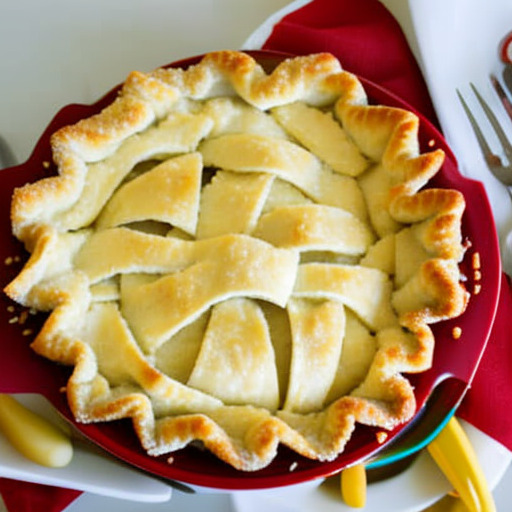
Create a woven lattice pattern by rolling out strips of dough and laying them in a criss-cross pattern over your filling.
3. The Art of Blind Baking
Blind baking is the process of partially or fully baking your crust before adding in your filling. This is often done with cream or custard pies to prevent the filling from making the crust soggy. To blind bake, prick the bottom of your crust with a fork, line it with parchment paper, and fill it with pie weights or beans. Bake at 425°F for about 15 minutes, then remove the weights and parchment and bake for another 5-10 minutes until golden brown.
PAQ (Pie Asked Questions)
1. How do I Make my Pie Crust Flakier?
To make a flakier crust, use more butter or fat in your recipe. You can also try adding vodka instead of water since it evaporates more quickly than water, helping to create pockets of air that make your crust flaky.
2. Do I need to use a Pastry Cutter to Make Pie Crust?
You can use a fork or your hands to cut in butter or shortening if you don’t have a pastry cutter, but keep in mind that it may take longer to achieve the right consistency.
3. Can I Substitute Specific Ingredients in a Pie Crust Recipe?
You can experiment with different types of flours or fats, but keep in mind that it may affect the final texture and taste. As a general rule, stick to the given recipe until you feel confident making changes.
Final Thoughts
Making the perfect pie crust takes practice, but with this comprehensive recipe guide, you should now have all the tools and knowledge you need to get started. Don’t be afraid to experiment and make adjustments based on your own preferences and taste. With time and practice, you’ll soon be making crowd-pleasing pies that everyone will love!
Frequently Asked Questions about Pie Crust Recipe
1. What are the common ingredients used in making pie crust?
The basic ingredients for a traditional pie crust recipe are flour, fat (butter, shortening, or lard), salt, and water. Some recipes may also include sugar or vinegar for flavoring or texture purposes.
2. Can I use other types of flour besides all-purpose flour?
Yes, you can use other types of flour like whole wheat flour or almond flour but keep in mind that it may affect the texture and taste of your pie crust. You may need to experiment with different ratios and adjust the recipe accordingly.
3. Is it necessary to chill the dough before rolling it out?
Yes, it is necessary to chill the dough for at least 30 minutes before rolling it out. This allows the gluten to relax and prevents shrinkage during baking. Chilled dough also makes it easier to handle and shape into your desired form.
4. How do I prevent a soggy bottom crust?
- Pre-bake the crust for a few minutes before adding the filling
- Brush an egg wash on the bottom crust before adding the filling
- Sprinkle some breadcrumbs or cornmeal on the bottom crust before adding the filling
5. Can I use margarine instead of butter?
You can use margarine as a substitute but keep in mind that margarine has a higher water content than butter and may affect the texture and taste of your pie crust. It is best to use unsalted butter for better flavor and control over salt content.
6. How long should I bake my pie crust?
The baking time will depend on the recipe and the type of filling you are using. Generally, a pre-baked pie crust should be baked between 10-15 minutes in a preheated oven at 375-400°F until lightly golden brown.
7. Can I freeze leftover dough for later use?
Yes, you can freeze leftover dough for up to three months. Wrap the dough tightly in plastic wrap or aluminum foil and store it in an airtight container or freezer bag. Thaw it in the refrigerator overnight before using.