
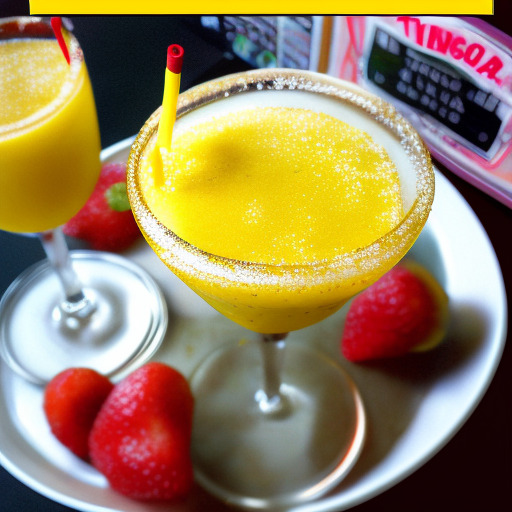
The Ultimate Guide to Crafting the Perfect Mimosa Recipe
Mimosas are the ultimate brunch beverage. Their simplicity makes them beloved, and they are often included in bottomless brunch deals. Mimosas have a storied history of being associated with luxurious, decadent mornings. The drink is popular for its mix of champagne and orange juice, which creates an effervescent drink that awakens the senses and delights taste buds.
In this guide, we will explore the ins and outs of crafting the perfect mimosa recipe, from its origins to serving suggestions. Whether you are a seasoned professional or looking to try a mimosa for the first time, this guide will fully equip you with the knowledge to make a delicious mimosa.
Background
Mimosa cocktails emerged in the 1920s and became popular in France before spreading throughout Europe and America. The cocktail was originally served by mixing champagne with citrus juice—usually orange or grapefruit—in equal parts.
The mimosa took hold in the United States in the 1940s, specifically in California, where it became a symbol of luxury. It was popularized by glamorous celebrities who frequented Hollywood’s soirees, gradually making its way to more casual social settings in restaurants and bars.
The importance of champagne is significant to this cocktail since it’s the critical ingredient that sets it apart from other drinks. French champagnes tend to be drier than those produced in other regions worldwide. It pairs well with any type of fruit juice; however, most commonly used is orange juice due to its sweetness.
Ingredients
Making mimosas at home is perfectly feasible with readily available ingredients at supermarkets or high-end specialty stores. The following is needed:
- Champagne
- Orange juice (freshly squeezed if possible)
- Optional ingredients (liqueurs, syrups)
Champagne
Many people assume that the use of champagne in mimosas must be of high quality, but it’s not necessarily the case. Inexpensive sparkling wine can serve just as well for making mimosas. However, using a top-shelf champagne can significantly improve the drink’s taste. To choose which type of champagne or sparkling wine will work best to your liking, consider:
- Budgets
- Taste preferences
- Type/grape variety; these include Prosecco, Cava, Brachetto d’Acqui, Champagne.
Champagne is considered by many as the premium ingredient since it’s made from grapes grown strictly in the Champagne region of France.
Orange juice
Using freshly squeezed orange juice provides indulgent flavor and exceptional taste to Mimosas. Still, bottled juice is also an acceptable alternative especially when you might have time constraints.
Acidic juices such as grapefruit and pineapple also work in mimosa recipes if you are feeling adventurous and want to go beyond traditional orange juice.
Optional Ingredients
Incorporating additional ingredients, such as flavored liquors or syrups into your Mimosa recipe can help create unique flavors and aromas of your choice. Aperol, elderflower liqueur, and St-Germain are some excellent additions that can be used to give your Mimosa that fruity flavor.
Glassware
Picking a glass is a crucial aspect responsible for how your drinks look, feel and touch.
Creating an appropriate environment often sets the tone for how one delights their Mimosa experience; below are different mimosa glasses which transform its taste and appearance.
Mimosa Flute
The Mimosa Flute is the go-to vessel for mimosa cocktails. This gracefully crafted glass gently curves near its rim, creating a slimmer top that captures the delightful aroma of the cocktail.
While not the most practical glassware due to its confined opening, the elongated stem ensures the drink remains cold and allows drinkers to savor the experience.
Champagne Coupes
Like Mimosas, Champagne Coupes have been around for centuries and can be a perfect alternative for serving them. They are similar to Flutes in that they are made out of lightweight crystal but with shallow cups instead.
The Champagne Coupes’ surface area gives room for additional garnish and makes for an elegant presentation. Also, if you want to deviate from Mimosas’ traditional style in favor of something more vintage-feeling, this is an apt choice when hosting guests.
Tumblers/ Water Glasses
Water glasses or tumblers serve as an excellent option for switching up conventional wine glasses. While somewhat unconventional nowadays, tumblers allow more room for decorations than flutes or coupes.
However, with large cups filled with ice, keeping your Mimosa effervescent may be difficult.
Making Mimosas
Making Mimosas at home is quick and easy; here are step by step guidelines:
Preparation tips before mixing
Below are tips curated towards making your mimosas as amazing as they can be when alertness is prioritized in every stage:
- Refrigerate your ingredients: The quality of your mimosas can be impacted by warm juice or champagne. Therefore it’s essential to refrigerate these first before using them.
- Chill your glasses: You can put your glasses in the freezer or fridge for about 15 minutes before use. This adds a welcome chill to the drink and keeps it crisp.
- Clean your juicer: This is especially crucial when you’re using fresh juice. A clean juicer will ensure that the pulp doesn’t contaminate your drink, affecting its taste and texture.
Steps to make the perfect Mimosa cocktail
The recipe for making mimosas is not burdensome, nor is it complicated but following the below steps has been known to produce great outcomes:
- Pour orange juice into champagne flute aside by tilting on an angle, filling it up to halfway full or as desired.
- Pop out champagne/cava bottle cork then pour it in until it reaches the glass’s brim.
- Gently stir with a spoon or twisting stick until it mixes well if required.
Et Voila! The perfect Mimosa recipe in minutes.
Tips for adjusting the recipe to taste
Below are tips on altering mimosa recipes according to personal preference.
- Sweetness Level: If you feel like your mimosa is too sweet or too sour, you can adjust it by adding more or less orange juice.
- Concentrations: To create a stronger Mimosa, opt for less juice and more sparkling wine instead.
- Unique touch: Don’t hesitate to experiment with various flavored syrups like raspberry, strawberries, or honey. You never know what pleasant surprise awaits you!
Serving Mimosas
Mimosas are trendy drinks often served during brunches - the best time to indulge in them. Below are tips to serving them, including garnishing.
How to serve mimosas at brunch or breakfast time
Mimosas are perfect for brunches that need a touch of celebration, festivity, and classiness baked into it. Here are detailed ways to do this:
- Put the glasses on a tray for easy mobility
- Serve in a festive setting—the occasion should inspire an ambiance suitable for popping bottles if needed.
- Place flutes on chargers giving additional space
Garnish ideas for perfect presentation
Garnishing is an essential aspect of any cocktail, affecting both visual presentation and taste. Adding fruit or other garnishes to your Mimosa will give it a fresh taste and make it look more appetizing. Below are possible garnish options:
- Sliced strawberries or raspberries
- Mint leaves
- Orchid flower clusters
Variations on the Recipe
Mimosas’ simplicity has allowed room for its variations taking on various flavors, implying endless possibilities as far as tweaking the recipe is concerned.
Below are some popular variations:
Classic variations such as Bellini or Bloody Mimosa
The Bellini uses peach puree with champagne instead of orange juice which can be an excellent alternative when you want something different.
The Bloody Mimosa replaces orange juice with tomato juice giving it more zest compared to the traditional version.
Effervescent mocktail options
The beauty of a mimosa drink is that it can be enjoyed whether you consume alcoholic beverages or not - Some possible mocktail options include:
- Raspberry Lemonade Mimosas
- Mango Mimosas
- Coconut Lime Mojito Mimosas
Ideas for unique flavor combinations
For a unique touch to your Mimosas, here are different unique flavor combinations:
- Ginger and Blueberry Mimosa – ginger ale and blueberry juice added to champagne.
- Pineapple Orange Mimosa - pineapple and orange juices mixed thoroughly with Champagne.
- Cranberry Mimosa - cranberry juice and Champagne mixed sufficiently then finished with a shot of limoncello or gin.
Best Mimosa Pairings
Mimosas are typically served during brunch, which gives room for a variety of food options to go alongside them. Below are some possible options:
Food pairing options for brunch time
- Croissants or pastries
- Brioche French toast
- Smoked Salmon
- Bagels (with or without toppings)
Alternatives to pair with morning/afternoon cocktails
It’s not always brunch time, so it’s essential to recognize that mimosas can also pair with other meals. Below are some great drink and food combos:
- Sushi or spicy Thai dishes that require something sweet to balance the intense flavors.
- An array of appetizers ideal for a pre-dinner gathering.
- Cheese platters
- Meat platters
- Quiches etc.
Safety Tips While Making Mimosas
For those who may opt to consume alcoholic beverages, safety should never be an afterthought. Below are guidelines for safe alcohol consumption:
Alcohol consumption guidelines
According to health professionals, only four mimosas count as one full drink, making responsible alcohol consumption necessary. Too much champagne can lead to hangovers and cause significant health consequences.
Minimizing risks while drinking
- Moderation: Drink in moderation.
- Food Consuming: Always have snacks and something in the stomach while consuming alcohol.
- Excessive Chilled Drink: Avoid drinking excessively chilled drinks because it can cause brain freeze as well as throat problems.
Expert Recommendations
Expert recommendations are invaluable when it comes to cocktail-making expertise. Bartenders and other experts give tips on how they make their delicious Mimosas and what works best for them.
Some expert recommendations include:
- Mixers: Add additional mixers like fruit juice or flavored syrups to give a twist to the standard recipe, says Anthony Giglio, a wine expert from Bon Appetit.
- Icing: Use crushed ice cubes in your Mimosa instead of regular ice cubes as doing so cools the drink without diluting it excessively.
- Mimosa with grapefruit juice instead of orange juice
- Mimosa with pineapple juice instead of orange juice
- Mimosa with a splash of grenadine for color and sweetness
- Slices of fresh fruit (e.g. oranges, strawberries, raspberries)
- Mint leaves
- Candied ginger
- Sprigs of rosemary or thyme
“As long as the ingredients used complement each other, variety remains essential”
-Joe Wilson
FAQ
Can I use other types of juices besides orange juice when making mimosa?
Yes, you can! Grapefruit or pineapple juice are great substitutions.
Should I use expensive champagne when making mimosas?
While it is not necessary for mimosas to be made with expensive champagne, using a top-tier champagne will result in a better taste.
What is the standard ratio of champagne to juice in a mimosa?
A typical mimosa consists of equal parts champagne and juice, but this can be tweaked based on individual preferences.
Conclusion + Call to Action
Mimosas continue to remain a beloved staple at brunches and cocktail parties. They’ve stood the test of time and adapt incredibly well to any palate by providing options for exploration and innovation.
With this guide’s principles applied, anyone – whether experienced or first-timer – can make the perfect mimosa recipe at home.
So why wait? Go ahead and experiment with different ingredients and create your own signature cocktail while hosting friends or family. Don’t forget to share feedback and let us know what works best for your taste buds. Cheers!
7 FAQs About Mimosa Recipe: Tips, Tricks, and More
1. What is a mimosa?
A mimosa is a cocktail made with champagne (or any sparkling wine) and orange juice. It’s typically served in a flute glass and garnished with a slice of orange.
2. What are some variations of the classic mimosa recipe?
3. What kind of champagne or sparkling wine should I use for my mimosa?
It’s best to use a dry or extra-dry champagne or sparkling wine for your mimosa, as the sweetness will come from the orange juice. Avoid using sweet champagne or sparkling wine, as it may make your mimosa too sweet.
4. How much champagne and orange juice should I use for my mimosa?
A classic mimosa is made with equal parts champagne and orange juice. However, you can adjust the ratios to your liking by using more or less champagne or orange juice.
5. Should the champagne be chilled before making a mimosa?
Yes, it’s best to chill the champagne (or sparkling wine) in the fridge beforehand to make sure that it’s cold enough. It will give your mimosa a refreshing taste.
6. Can I make a pitcher of mimosas?
Yes! To make a pitcher of mimosas, simply combine equal parts chilled champagne and orange juice in a large pitcher. Stir gently, pour into individual glasses, and garnish with orange slices.
7. What are some garnishes that I can use for my mimosa?
Now you know all the tricks and tips to make a perfect mimosa. Enjoy!