mac and cheese recipe
Mac and Cheese Recipe: The Ultimate Guide to Creating the Perfect Comfort Food
Mac and cheese is a classic comfort dish that’s been beloved by many for generations. Its simple yet delicious combination of creamy melted cheese and pasta has won over the hearts of people all over the world. Whether you want to make it for a family gathering, work potluck, or just for yourself, this ultimate guide will teach you everything you need to know about creating the perfect mac and cheese recipe.
Introduction
Mac and cheese, also known as macaroni and cheese, is a popular comfort food that has been around since the 14th century. It’s made using elbow-shaped pasta that’s cooked until tender and then mixed in with a creamy cheese sauce. Today, there are hundreds of variations of this classic dish, including baked versions, stovetop recipes, and vegan options.
Whether you’re making it from scratch or using a boxed mix, mac and cheese has remained a go-to comfort food for families everywhere. It’s easy to make, customizable to your liking, and always hits the spot.
Choosing Your Ingredients
The key to creating the perfect mac and cheese recipe is selecting high-quality ingredients that work well together. Below we will discuss pasta options, cheese selection, as well as additional ingredients that can be added to enhance the flavor.
Pasta options
When choosing pasta for your mac and cheese recipe, look for short-shaped noodles like elbows or shells. These shapes are perfect as they absorb more sauce and have a great texture once cooked.
- Elbow macaroni: Small pieces of elbow-shaped pasta are an all-time favorite when it comes to making mac and cheese.
- Shells: The hollows of the shell pasta can be filled with cheese sauce, making each bite a more exciting experience.
- Cavatappi: Cork-screw shaped pasta is great for holding on to thicker sauces.
Cheese selection
Cheese is the heart and soul of mac and cheese, so it’s essential to choose varieties that will add flavor and texture to your dish. Here are some popular options:
- Cheddar: A classic choice for mac and cheese, this mild-tasting cheese melts beautifully providing a creamy texture.
- Gouda: This semi-hard Dutch cheese has a slightly smoky flavor that enhances the overall taste of mac and cheese.
- Swiss: Swiss cheese has a nutty flavor that adds depth to your dish.
Additional ingredients
While traditional mac and cheese recipes only call for pasta and cheese, you can add other ingredients to enhance its flavor.
- Breadcrumbs: Breadcrumbs add a crunchy texture to the dish when added before baking.
- Bacon: Adding bacon bits to your mac and cheese recipe provides a smoky flavor.
- Jalapenos: For those who love spice, chopped jalapenos can add an extra kick to the recipe.
Prepping for Cooking
Once you’ve got all of your ingredients together, it’s time to focus on prepping for cooking. Below we will discuss the cookware needed, preparing the pasta, and grating the cheese.
Cookware needed
For most mac and cheese recipes, you’ll need a large pot to cook the pasta, a colander to strain it after boiling, and a baking dish if you’re planning on baking your mac and cheese recipe.
Preparing the pasta
To cook the pasta, bring a large pot of salted water to a boil and add your chosen pasta. Allow it to cook for 8-10 minutes or until it’s tender but still has some bite to it. Once done, strain using a colander, and give it a quick rinse under cold water to stop the cooking process.
Grating the cheese
You can purchase pre-shredded cheese if preferred, but freshly grated cheese is often more flavorful and melts better. Use a box grater to shred your cheese or use the shredding blade of a food processor.
Creating the Cheese Sauce
A rich cheese sauce is crucial in making the perfect mac and cheese recipe. Below we will discuss how to make a roux, adding dairy and variations of cheese sauce you can opt to try.
Making a Roux
A roux is made from flour and fat (usually butter) that serves as a thickener in sauces. To make it, melt butter over medium heat in a saucepan, then whisk in all-purpose flour until smooth.
Adding dairy
Once you’ve made your roux, it’s time to add dairy products like milk or cream. Gradually add warm milk or cream into the roux while continually whisking until fully combined. This creates a béchamel sauce which will serve as the base for your macaroni and cheese sauce.
Cheese sauce variations
There are numerous ways to create cheese sauce for mac and cheese. You can use different cheeses, herbs, and spices according to your preference. Here are a few examples of cheese sauce variations:
- Four Cheese sauce: This version uses four different types of cheeses such as cheddar, gouda, parmesan, and mozzarella.
- Spicy cheese sauce: Make a classic cheese sauce and add your favorite hot sauce for extra heat.
- Garlic Cheese Sauce: Fry minced garlic in butter and add it to your mornay sauce to add extra flavor.
Combining the Pasta and Cheese Sauce
After you’ve made the pasta and cheese sauce, it’s time to bring them together. Below we’ll discuss mixing together the pasta and cheese sauce as well as baked options or stovetop variations.
Mixing together the pasta and cheese sauce
Place cooked pasta back into the pot it was boiled in, pour in your prepared cheese sauce, then stir continuously until every piece is coated.
Baking mac and cheese
To create a baked version of macaroni and cheese, place the mixed pasta, and cheese sauce into a buttered baking dish. Top with breadcrumbs if desired and bake at 375°F for around 25 minutes or until golden brown on top.
Stovetop mac and cheese variation
A quick way to make creamy stovetop macaroni and cheese is by adding the prepared béchamel sauce directly onto the cooked pasta while still in its pot. Stir continuously on low heat until combined.
Tips for Perfect Mac and Cheese
Now that you have basic knowledge on how to create delicious mac and cheese, consider these few tips to take it up a notch.
- Avoiding lumps in your cheese sauce: Make sure to whisk the flour and butter together until it’s smooth before adding the milk.
- Using multiple cheeses for depth of flavor: If you’re using more than one type of cheese, combine a mild cheese with a sharp cheese to balance the flavors.
- Experimenting with different herbs and spices: Add fresh herbs like thyme, chives or add spices like paprika, nutmeg, or chili flakes to add extra depth and flavor.
Serving Suggestions
Once your mac and cheese is ready, you can opt to serve it as it is or elevate your dish more by adding garnishes or pairing it with complementary sides. Below we will discuss those options.
Garnishes to elevate your mac and cheese recipe
You can add extra toppings like toasted breadcrumbs, chopped parsley, or freshly grated parmesan over your mac and cheese recipe for visual appeal.
Pairing with complementary side dishes
Macaroni and cheese are comfort food staples with plenty of accompanying side dishes that work well with it. Here are some suggestions:
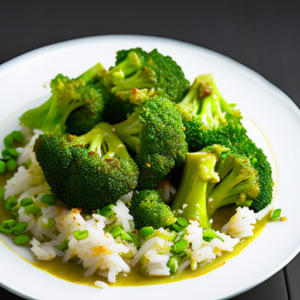
- Roasted vegetables like broccoli, brussels sprouts or carrots.
- A salad filled with mixed greens like spinach, kale or arugula.
- Pulled pork or chicken for protein-rich meal.
Dietary Restrictions
If you have certain dietary restrictions, there are alternative options to make mac and cheese work for you. Below we will discuss gluten-free and vegan alternatives.
Gluten-Free options
Many pasta brands now offer gluten-free alternatives that work great for macaroni and cheese recipes.
Vegan mac and cheese recipes
For those following a vegan diet, there are many alternative ingredients that you can use to create a delicious vegan mac and cheese recipe. You can use nutritional yeast or plant-based milk to mimic the flavor and texture of traditional cheese sauce or even opt-out for making your own cashew cream sauce instead.
Leftovers and Storage
If you happen to have leftovers, it’s essential to store them properly to ensure a longer shelf life. Below are tips on storing leftover mac and cheese as well as the best methods on reheating them.
Proper storage tips for leftover mac and cheese
Store leftover mac and cheese in an airtight container or wrap tightly with plastic wrap or aluminium foil. Place in the fridge within two hours of cooking; this will ensure they last up to four days in the fridge or two months in the freezer.
Reheating Mac and Cheese
The ideal way to reheat your leftover mac & cheese is by placing it onto a baking dish covered with foil paper. Preheat the oven at 350°F, bake the dish for about 10-15 minutes, and it will be like freshly made.
Fun Facts About Mac and Cheese
Now that you’re equipped with everything you need to know about how to make perfect macaroni and cheese, here are some fun facts about this beloved comfort dish.
- It was Thomas Jefferson who popularized mac and cheese in the United States.
- The first boxed macaroni and cheese product appeared on grocery store shelves in the late 1930s.
- In some parts of Canada, ketchup is a common topping added to mac and cheese.
Conclusion
Mac and cheese is an all-time favorite comfort food that’s easy to make, customizable, and perfect for any occasion. From choosing quality ingredients to experimenting with different herbs and spices, you can be confident in creating your perfect recipe. So, fire up your stove or oven, grab a fork, and enjoy the delicious goodness that mac and cheese has to offer.
Frequently Asked Questions About Mac & Cheese Recipe
1. What type of cheese should I use for my mac and cheese?
You can use any type of cheese that you like! However, some popular cheeses for mac and cheese are cheddar, Gouda, and Monterey Jack.
2. Can I make mac and cheese without milk?
Absolutely! Instead of milk, you can substitute with heavy cream or a non-dairy milk alternative such as almond or soy milk.
3. How do I prevent my mac and cheese from becoming dry?
To avoid dryness in your mac and cheese:
- Use enough liquid (milk) in the recipe
- Add more cheese during cooking if it starts to look too dry
- Cover with foil during baking to retain moisture
4. Can I make mac and cheese ahead of time?
Absolutely! You can prepare the dish ahead of time and store covered in the refrigerator for up to 2 days. To reheat, place in oven at 350°F for about 20 minutes or until heated through.
5. How long should I cook my mac and cheese?
Cooking time for mac and cheese generally takes around 25-30 minutes. However, cooking time may vary depending on the recipe and cooking method used.
6. Can I add vegetables or meat to my mac and cheese?
Absolutely!
You can customize your mac and cheese recipe by adding vegetables such as broccoli, peas or carrots, or meat such as bacon or chicken. Just make sure to adjust the cooking time accordingly.
7. Can I use any type of pasta for my mac and cheese?
Yes, you can use any type of pasta that you like in your mac and cheese recipe.
However, elbow macaroni is the most commonly used pasta for this dish.