
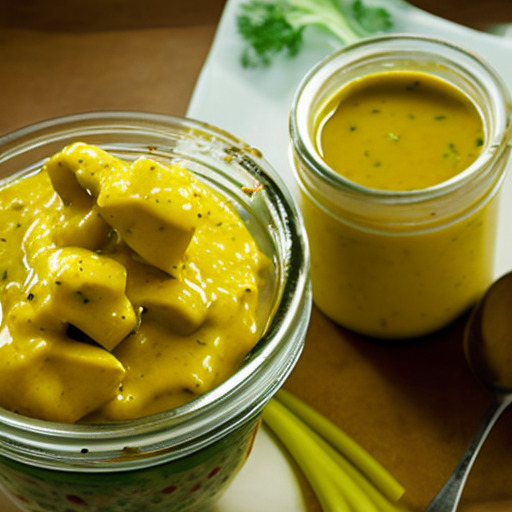
The Ultimate Guide to Making Honey Mustard Sauce
Introduction
Honey mustard sauce has become a popular condiment in today’s culinary world. This tangy, creamy and sweet flavor profile adds a delightful note to many dishes, from crispy chicken tenders, French fries to salad dressings, and marinades. In this guide, we will be showing you how to make honey mustard sauce from scratch through a detailed honey mustard recipe. We will also discuss the history of honey mustard sauce, its uses, pairing options, and health benefits.
History of Honey Mustard Sauce
The origin of honey mustard sauce can be traced back centuries ago when Roman cooks first made the condiment adding spices such as horseradish and vinegar to their blend. As time went on, the medieval European culinarians introduced honey into the mix, which created a balance between sweet and tangy notes similar to what we have today. However, it wasn’t until the late 1970s and early 1980s that honey mustard sauce gained wider popularity across North America.
The Versatility of Honey Mustard Sauce
One reason for the widespread popularity of honey mustard sauce is its versatility. It can be used as a dressing for salads or simple dips for chicken wings or potato chips. It also works as a perfect marinade for grilling meats like chicken or pork chops.
Ingredients
To prepare our homemade honey mustard sauce recipe, you will need:
- 1/2 cup yellow mustard
- 1/8 - 1/4 cup honey (adjust according to your preference)
- 1/4 cup mayonnaise
- 1 tablespoon lemon juice
- 1 clove garlic, diced fine
- 1/8 teaspoon salt
Importance of Quality Ingredients
When making honey mustard sauce, using the best ingredients makes a considerable difference in the end product. The quality of honey and mustard significantly affects the flavor of the sauce. Pick a mild-flavored honey such as clover or wildflower that will not overpower the tangy taste. Concerning mustard, use high-quality yellow mustard that is not too hot but still provides a kick.
Utensils
To make honey mustard sauce, you’ll need tools like
- A mixing bowl
- A whisk or fork to stir
- A plastic spatula to help scrape off mixture from sides of the bowl
- A container with a tight-fitting lid for storage
Alternatives to Traditional Tools
If you don’t have any of these tools, you can still make honey mustard sauce. A fork can be used instead of a whisk, and a wooden skewer can replace a spatula.
Honey Mustard Sauce Recipe
This recipe yields 1 cup of honey mustard sauce.
- In your mixing bowl, combine the yellow mustard and mayo.
- Add honey, lemon juice, garlic, and salt.
- Mix all ingredients thoroughly until well combined, using either a whisk or fork.
- Your homemade honey mustard sauce is ready for use!
Variation Ideas for Different Flavor Profiles
There are several ways you can alter your homemade honey mustard sauce to suit your preferences. For example:
- Add more honey to achieve a sweeter sauce
- Use Dijon mustard instead of yellow for a more potent taste
- Incorporate additional spices, such as paprika, cumin or chili powder for a smoky flavor
Tips and Tricks for the Perfect Consistency
If your honey mustard sauce becomes too thick, add a little water or apple juice to dilute it. If it’s too runny, add more mayo.
Uses for Honey Mustard Sauce
Traditional Uses for Honey Mustard Sauce
Honey mustard sauce is quite versatile. Here are some conventional ways honey mustard sauce is used:
- Served as a dipping sauce for snacks such as chicken wings, kabobs or vegetable sticks.
- As a salad dressing.
- Smeared on wraps and sandwiches, where its tanginess adds depth and sweetness complements any salty component.
- A marinade for meats that brings out their sweetness and makes them tender and juicy upon grilling.
Unexpected Ways to Use Honey Mustard Sauce in Cooking
Aside from traditional uses, honey mustard adds an exciting twist when used in other ways. Here are some ideas you can try:
- Add it to roasted vegetables like carrots or broccoli to give them a sweet tangy flavor.
- Serve with homemade pretzels instead of the usual cheese dip.
- Mix in macaroni pasta or couscous and veggies for an easy-to-make salad that can be served chilled or at room temperature.
- Dip with grilled quesadillas or paninis instead of using tomato sauce.
Health Benefits of Honey Mustard Sauce
Honey mustard sauce has several health benefits because of its ingredients. Here are some:
- Honey is rich in antioxidants and anti-inflammatory agents that help protect the body and reduce the risk of chronic diseases such as heart disease, diabetes, and cancer.
- Mustard contains turmeric and selenium, known for their antioxidant properties. Consumption of selenium reduces the risk of bladder, lung, prostate and stomach cancer.
- Lemons contain flavonoids that have antioxidant and anti-bacterial properties that improve digestion and reduce inflammation.
- The presence of garlic in honey mustard helps to reduce blood pressure,
Nutritional Information about Honey Mustard Sauce
Here is a nutritional breakdown of one serving size (1 tablespoon) of honey mustard sauce:
- Calories: 30
- Fat: 2g
- Sodium: 50mg
- Carbohydrates: 3g
- Sugar: 3g
- Protein: 0g
Comparison to Other Condiments
Comparing honey mustard with other condiments like ranch or ketchup shows that honey mustard is much healthier because it contains less fat and sodium.
Possible Health Risks
Honey mustard sauce contains mayonnaise which has a high-fat content. Thus, overindulging in honey mustard could lead to excessive fat intake, weight gain, and possibly increasing cholesterol levels.
Storage and Shelf Life
Storing honey mustard sauce can be easy, especially when done correctly. It is important to store it in an airtight container kept in the refrigerator. This way, it can last up to three weeks.
Estimated Shelf Life and Potential Signs of Spoilage
Under proper storage, honey mustard sauce can last up to four weeks. When you notice any mold growth or unusual color changes on the surface, it’s advisable to dispose of the sauce.
Tips for Reheating
When reheating honey mustard sauce, gently stir with a spoon to distribute any oil separation and microwave at 30-second intervals until heated through.
Pairing with Foods and Drinks
Best Foods to Pair with Honey Mustard Sauce
Honey mustard works well with poultry such as chicken or turkey. It’s also delicious with ham, smoked salmon and tofu for vegetarians. Aside from these options, here are other foods you can pair honey mustard sauce:
- Dipping for French fries and onion rings
- Glaze for roasted or baked sweet potatoes or carrots, pumpkin soup.
- Add as a salad dressing either tossed or drizzled on cold salads made with lettuce, spinach, tomato, cucumber.
- Serve alongside burgers as a condiment
Recommended Drinks that Compliment Honey Mustard Sauce
If you’re going to a grill party or hosting one and need drink ideas that will pair well with honey mustard sauce dipping options try these:
- Iced Tea: balances out the tanginess of honey mustard and calms the palate between bites.
- Beer: try pale ale or lager which help cut through the richness of fatty meats
- Soy milk: a non-alcoholic option, specifically the vanilla or chocolate flavor to balance out the acidity.
Vegan Honey Mustard Recipe
Here is an alternative recipe for vegans:
- 1/2 cup vegan mayonnaise
- 2 tablespoons yellow mustard
- 2 tablespoons maple syrup
- 1 teaspoon rice vinegar
- Kosher salt and black pepper, to taste
Directions:
- Mix together in a mixing bowl until properly combined.
- Your vegan-friendly honey mustard sauce is ready to use.
Gluten-Free Honey Mustard Recipe
Here is a gluten-free honey mustard recipe:
- 1/2 cup yellow mustard
- 1/4 cup honey
- 1/4 cup gluten-free mayonnaise
- 1 tablespoon fresh lemon juice
- Kosher salt and pepper, to taste
Directions:
- In a mixing bowl, add the yellow mustard and honey, stirring with a whisk or fork.
- Add mayonnaise, lemon juice salt, and pepper. Mix until well combined.
- Your Gluten-Free Honey Mustard Sauce is ready for use.
Conclusion
In conclusion, honey mustard sauce has become more than just a condiment; it’s now one of the most desired sauces worldwide because of its unique flavors. Through this informative guide, we hope you have learned the recipe for making homemade honey mustard sauce, its history, uses, health benefits, and pairing options with food and drinks. Whether as a marinade, dipping sauce or salad dressing, incorporating honey mustard is a surefire way to spruce up your meals.
Frequently Asked Questions About Honey Mustard Recipe
How Do I Make Honey Mustard Sauce?
To make a basic honey mustard sauce, whisk together dijon mustard, honey, olive oil, and apple cider vinegar in a bowl. Add salt, pepper, and other flavorings like garlic or paprika according to your taste. Mix everything well until smooth and creamy.
What Are the Ingredients Needed for Honey Mustard Dressing?
The ingredients needed for honey mustard dressing are dijon mustard, honey, olive oil, apple cider vinegar, salt, pepper, and additional flavorings like garlic or paprika. You can also add mayo or yogurt to make the dressing creamier.
Can I Use Other Types of Mustard Instead of Dijon?
Absolutely! While dijon is the most commonly used mustard for honey mustard sauce and dressing, you can use other varieties like whole grain or spicy brown mustard if you prefer a different taste. Just adjust the amount of honey to balance out the tanginess of the mustard.
What Can I Use Honey Mustard Sauce For?
Honey mustard sauce is a versatile condiment that can be used as a dipping sauce for chicken tenders, pretzels, or vegetables. It also pairs well with salads and sandwiches as a dressing or spread. You can even use it as a marinade for meats before grilling or roasting.
How Long Can I Store Honey Mustard Sauce?
You can store honey mustard sauce in an airtight container in the fridge for up to two weeks. Keep in mind that the longer it sits, the stronger the flavor will be. If you want to keep it fresh longer, consider making smaller batches as needed.