pavlova recipe
Perfecting The Art of Making Pavlova: A Complete Guide to the Delicious Meringue Dessert
Pavlova is a light, fluffy, and crispy meringue dessert named after the Russian ballerina Anna Pavlova. It is a beloved dessert in many countries, particularly Australia and New Zealand who claim it as their own. A pavlova consists of a meringue shell filled with whipped cream and fruit toppings, making it an ideal dessert for summers, weddings, or any special occasion. However, achieving a perfect pavlova can be tricky for even the most seasoned bakers. This guide will provide beginner-friendly recipe guidelines for making perfect pavlovas at home, highlighting essential ingredients and helpful kitchen equipment while emphasizing trouble-free recipes for beginners who have never made one before or found themselves struggling to achieve the desired outcome in the past.
I. Introduction
Definition of Pavlova
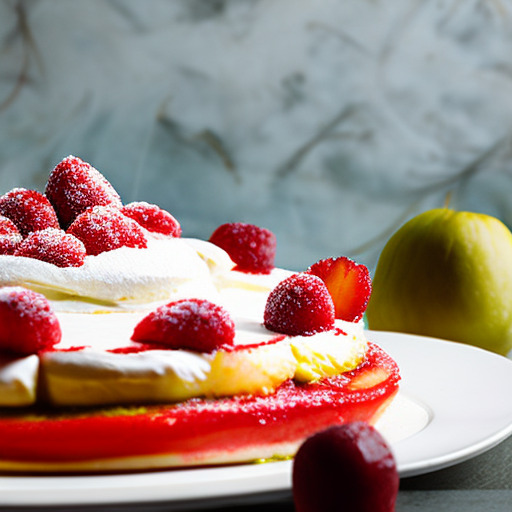
Pavlova is a delicate meringue-based dessert that comprises of a crisp crust and soft center, typically topped with whipped cream and fruit.
History of Pavlova
The history of the pavlova dessert is somewhat controversial, with Australia and New Zealand both claiming ownership of this iconic dessert. According to some sources, pavlova was first created in Wellington, New Zealand, during Anna Pavlova’s world tour in 1926-27. Other claims suggest that the dessert originated in Western Australia in the 1930s. Regardless of its origin, this fabulous dessert has spread worldwide and can now be enjoyed globally.
Why is Pavlova popular?
Pavlova is one of those desserts that everyone loves to eat but many find challenging to make correctly. The combination of crunchy and chewy meringue, luscious whipped cream, and fresh fruit makes a perfect dessert for summer evenings or special occasions. Whether it is the smooth blend of textures, fruity flavors, or the elegance of presentation, there’s no denying that pavlova has become a staple dessert in many households today.
II. Ingredients
Essential ingredients
- 4 egg whites, room temperature
- 1 cup caster sugar
- 1 teaspoon white vinegar or lemon juice
- 2 teaspoons cornstarch (cornflour)
- 1/2 teaspoon vanilla extract
- A pinch of salt
Substitute ingredients
If you are out of some ingredients or want to try something different, here are some substitutes.
- Caster sugar can be replaced with granulated sugar as the texture is similar.
- Vegetable oil or cream of tartar instead of vinegar or lemon juice works equally well.
- Cornstarch (Cornflour) can be substituted with potato starch in equal proportions.
- Vanilla essence gives a more concentrated flavor than vanilla extract, but both work similarly.
- You may add other seasonings like cinnamon or nutmeg to switch up the flavor profile.
III. Equipment
To make a Pavlova correctly, specific equipment is required. The equipment list is relatively minimalistic and should be available in most kitchens included:
- Mixing bowl
- Electric mixer or a whisk
- Piping bag and nozzles (You can use freezer bags if you don’t have piping bags)
- Oven, parchment paper, and baking trays are the primary equipment required for baking.
IV. Tips for Making Perfect Meringue
Room temperature egg whites
Egg whites that are at room temperature whisk better and increase in volume. Make sure to bring your eggs to room temperature about an hour before starting your recipe.
Clean bowl and utensils
Ensure that any tools used to beat the egg whites, such as the bowl and mixer whisk, are spotlessly clean. Even a tiny amount of oil or grease on one of the utensils can impede the egg whites from whipping up correctly.
Gradually add sugar
Sugar needs to be added slowly during meringue making to allow it to dissolve completely so that it doesn’t cause the meringues to collapse. When beating the egg whites, consider using a fine caster sugar rather than granulated sugar.
Test if sugar dissolves completely
To know whether the sugar has dissolved properly in your mixture, take a small amount of mixture between your fingers and rub them together quickly. If the mixture is smooth, then you’re good to go, but if you can feel any gritty substance from undissolved sugar crystals, it means more mixing needs to be done.
V. Step by Step Pavlova Recipe
a. Preparing the meringue
- Preheat your oven at 150°C (300°F).
- Take a large mixing bowl and add in four room temperature egg whites along with a pinch of salt and start beating at low speed with an electric mixer until foamy.
- Gradually add in one cup of caster sugar (one tablespoon at a time) - waiting for the sugar to dissolve completely before adding the next spoonful.
- Add 1 teaspoon of vinegar and mix until well incorporated.
- Sift 2 teaspoons of cornstarch into the mixture and fold it in with a spatula.
- Add half a teaspoon of vanilla extract and continue mixing until peaks become glossy and rigid.
b. Baking the meringue
- On a baking sheet lined with parchment paper, draw two 8-to-9-inch circles (20-25cm), making use of a pastry bag fitted with a big plain or star pipe nozzle to swirl mixture inside each circle, leaving center slightly indented to hold toppings later on.
- Bake meringue for about 1 hour or until crisp outside and dry to the touch. Turn off oven and leave meringue inside, with door closed, for up to three hours to entirely cool down without cracking.
VI. How to Decorate Pavlova
a. Whipped cream
The most common pavlova topping is whipped cream. Use good-quality heavy whipping cream and beat until stiff peaks form. Slightly sweeten it with powdered sugar or honey if you’d like before spreading it over the meringue shell.
b. Fruit toppings
Fruit is usually put on top of whipped cream, adding color and flavor contrast to complement pavlova’s crispy crust texture. Fresh fruit such as strawberries, kiwis, mangoes, passion fruit, raspberries give the perfect fruity taste and can be chopped or sliced into thin pieces for decoration. Additionally, dried fruits could work instead of fresh ones for some added sweetness.
c. Sauces
The pavlova dessert can be improvised with chocolate or fruit sauces, caramel sauce, or cream cheese frosting. Make sure to drizzle just before serving to avoid the possibility of the meringue getting soggy.
VII. Troubleshooting Tips When Making Pavlova
Cracked or wet meringues
This problem can occur if the oven is not at the right temperature, overmixing of egg whites, or under-baking could lead to a collapsed, cracked shell, or sticky interior. Bake at the right temperature and don’t overmix egg whites as this causes excess moisture causing cracking.
Burnt meringues
If you use high temperatures when baking your meringue toppings or leave them in the oven for too long, they may burn. Try decreasing oven temperature slightly to avoid this outcome without sacrificing crispness.
VIII. Serving Suggestions for Pavlova
a. Dinner party presentation ideas
You could add a touch of glamor to your pavlova dessert by showing it on a beautiful cake stand or platter that matches your decor style and color.
b. Best drinks that go with pavlovas
Pavlova’s refreshing crispness pairs perfectly with refreshing drinks such as a glass of bubbly champagne or wine spritzers in fancy tall glasses with some sliced fruits added within for an unforgettable taste pairing experience.
IX. Storage Tips for Leftover Pavlovas
Pavlova is a delicate dessert, so once assembled, it is best enjoyed on the day it is made. You can refrigerate any leftover meringue shells, covered in an airtight container with foil, plastic wrap, or waxed paper, for up to two days. Keep fruit toppings and cream separately and assemble just before eating.
X. Conclusion
Pavlova is an iconic dessert that many people love but can be challenging to make perfectly. By following the tips and techniques outlined in this guide, you’ll be well on your way to making delicious pavlovas every time. So go ahead and give it a try! We hope you enjoy this delectable dessert as much as we do.
Frequently Asked Questions About the Perfect Pavlova Recipe
If you’re a sweet tooth and love to try new dessert recipes, pavlova is a must-try. This crispy-on-the-outside, marshmallowy-on-the-inside meringue delight is perfect for any occasion. Here are some frequently asked questions about this heavenly recipe:
1. What is pavlova and where did it originate?
Besides being delicious, pavlova is a dessert made of a crispy meringue base that is topped with whipped cream and fresh fruit. It originated in either Australia or New Zealand, but both countries claim to have invented it! Historians believe that it was created in honor of the famous ballerina Anna Pavlova’s visit to Oceania in the 1920s.
2. What ingredients do I need for pavlova?
The basic ingredients of pavlova are egg whites, sugar, vinegar or lemon juice, cornstarch, and vanilla extract. You’ll also need whipped cream and fresh fruit for toppings.
3. How do I make my pavlova crisp on the outside and chewy on the inside?
The secret to perfect pavlova lies in beating the egg whites until stiff peaks form. Make sure that your mixing bowl and beater are clean and free of any grease, which can interfere with the protein structure of the egg whites.
4. Can I make my pavlova in advance?
Pavlova can be made ahead and stored at room temperature for up to two days if it’s wrapped tightly in plastic wrap to prevent moisture from getting into the meringue.
5. Can I use other fruits besides berries?
Of course! There’s no wrong way to add variety to your pavlova toppings, so feel free to experiment with different fruit combinations. Some popular options include kiwi, passionfruit, mango, and peaches.
6. What are some common mistakes people make when making pavlova?
- Overbeating or underbeating the egg whites
- Adding too much sugar too quickly
- Not using cream of tartar or vinegar/lemon juice to stabilize the egg whites
- Baking at too high of a temperature or for too long, which can cause the meringue to crack and collapse
7. Can I make pavlova if I’m on a gluten-free diet?
Yes! As long as you use pure cornstarch instead of baking powder or flour, pavlova is naturally gluten-free.
In conclusion, pavlova is a delightful dessert that will impress anyone who tries it. By following these simple tips and tricks, you’ll be able to create the perfect balance of sweet and tangy flavors that make pavlova so special.