omelette recipe
The Perfect Omelette Recipe: A Step-by-Step Guide
Omelettes are a staple breakfast dish around the world, and for good reason. They are versatile, easy to make, and can be customized with a variety of fillings to suit any taste. Whether it’s a quick breakfast before work or a leisurely Sunday brunch, a good omelette always hits the spot. In this article, we’ll take you through the step-by-step process of making the perfect omelette every time.
Introduction
The beauty of an omelette lies in its simplicity. Who knew that all you needed were eggs, some milk or cream, and your favorite fillings to create such a satisfying meal? But despite its simplicity, there are certain tricks and techniques that can elevate an ordinary omelette into an extraordinary one. In this guide, we’ll break down the essential elements of an omelette recipe and provide tips for customization based on your preferences.
Brief history of the dish
Before we dive into the nitty-gritty of making a great omelette, let’s first take a moment to appreciate where this dish came from. The origin of omelettes can be traced back to ancient Persia, where they were made with herbs and served as a street food snack. From there, the dish spread throughout much of Europe and eventually made its way to America. Today, there are countless variations of omelettes around the world, each with its own unique flavor profile.
Ingredients
Like any recipe, the quality of your ingredients will greatly affect your final product. For the perfect omelette, you’ll need:
- Eggs - choose fresh eggs for best results
- Milk or cream - adds richness to the eggs
- Salt and pepper - seasoning for the egg mixture
- Fillings - chopped vegetables, cooked meat, grated cheese, or any other additions you desire
Preparing the egg mixture
The egg mixture is the heart of any omelette, so it’s important to get it just right. Here’s what you’ll need to do:
- Crack your eggs into a bowl. For a single serving omelette, use 2-3 eggs.
- Whisk the eggs until well-blended. A whisk or fork works well for this.
- Add a small amount of milk or cream to the egg mixture, along with a pinch of salt and pepper. The amount of milk you use will depend on your preference for richness. Some recipes suggest using water instead of milk to make the omelette lighter.
- Mix everything together evenly. Be careful not to overmix as this can make your omelette tough.
Choosing fillings
One of the most fun and creative parts of making an omelette is choosing your fillings. Here are some options to consider:
Types of vegetables and how to prepare them
- Mushrooms - thinly sliced mushrooms sautéed in butter or oil add depth and flavor.
- Bell peppers - finely chopped bell peppers (any color) add sweetness and crunch.
- Tomatoes - chopped tomatoes can be used fresh or briefly cooked in the pan for a burst of acidity.
- Onions - diced onions sautéed in butter or oil add savory sweetness to any omelette.
- Spinach - fresh spinach leaves wilted in the pan add a nutritious boost and earthy flavor.
Meat options for an omelette
- Bacon - crispy bacon adds saltiness and crunch.
- Ham - diced ham provides a smoky, savory flavor.
- Sausage - sliced or crumbled sausage can be cooked in the pan before adding the egg mixture.
- Chicken - cooked chicken (diced or shredded) adds protein and pairs well with vegetables like bell peppers and onions.
Cheese choices and melting tips
Cheese is one of the most popular omelette fillings, but not all cheeses are created equal. Here are some options to consider:
- Cheddar - classic cheddar adds sharpness and melts easily.
- Goat cheese - soft goat cheese adds tanginess and creaminess.
- Feta - crumbled feta adds saltiness and pairs well with Mediterranean-inspired omelettes that include tomatoes, olives, and herbs.
- Brie - melted brie lends a luxurious velvety texture.
To get the best results from your cheese filling, grate it finely or crumble it into small pieces so that it melts quickly. Add it to the omelette just before folding it over so that it has a chance to melt.
Cooking the perfect omelette
Now that you’ve got your egg mixture and fillings ready, it’s time to start cooking. Here’s how to make sure your omelette comes out perfectly every time:
Choosing a non-stick pan
A good non-stick pan is essential for making an omelette that doesn’t stick to the bottom. Choose a small- to medium-sized frying pan (8-10 inches in diameter) with sloping sides. This will help you flip the omelette more easily.
Preheating the pan
Heat your pan over medium heat for at least 2 minutes before adding any ingredients. This ensures that the pan is evenly heated and helps prevent the omelette from sticking.
Adding butter/oil to the pan
Once your pan is hot, add a small amount of butter or oil to the center of the pan. Use a spatula to spread it around evenly.
Pouring in the egg mixture
Once the butter has melted, pour in your egg mixture. Use a spatula to spread it around evenly. Move the pan around on the heat so that the edges of the omelette cook faster than the center.
The art of swirling and lifting the pan
As soon as you pour in the egg mixture, use a spatula to start swirling it around the pan. Lift up one edge of the omelette and let some of the uncooked egg flow underneath. Repeat this process several times until most of the egg is cooked but still slightly runny on top.
Flipping the omelette
Flipping an omelette can be intimidating, but with a little practice, you’ll get it right every time. Here’s how:
Using a spatula to loosen one side of the omelette from the pan
Use a spatula to gently loosen one side of the omelette from the bottom of the pan. Shake it gently or use your spatula to slide it around the pan to make sure it’s fully loosened.
Gently sliding it onto a plate or flat surface
Slide the spatula all the way underneath the omelette until it’s in the middle. Then, using your other hand, slide the omelette out of the pan and onto a plate or flat surface.
Flipping half of the omelette on top of itself
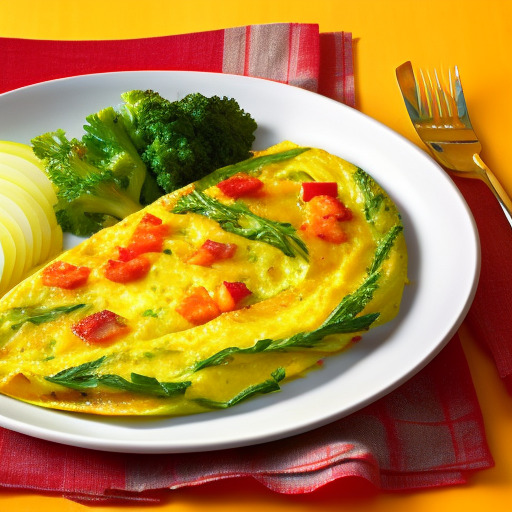
Before serving, fold half of the omelette over the other half so that your fillings are snugly enclosed within. Serve hot with your favorite toppings.
Serving your homemade omelette
The beauty of making your own omelette is that you can customize it however you like. Here are some suggestions for garnishing and additional toppings:
- Placing your omelette on a plate.
- Garnishing with green herbs such as parsley, chives, or cilantro.
- Additional toppings might include sour cream or diced avocado.
Different types of omelettes to try
Once you’ve mastered the classic omelette recipe, there are countless variations to try. Here are just a few:
Spanish omelette
A Spanish omelette, also known as a tortilla española, typically includes potatoes and onions. The filling is cooked first and then combined with the egg mixture before cooking.
French omelette
A French-style omelette tends to be lighter and fluffier than an American-style one. It’s folded into thirds rather than in half and is typically served as a simple dish with no fillings inside.
Frittata
A frittata is like an omelette, but it’s cooked in the oven rather than on the stovetop. This means that it can include heartier ingredients like potatoes or pasta, and is typically cut into slices rather than folded.
Tips for making the perfect omelette every time
Here are some final tips to help you make the best possible omelette:
- Don’t overcook your eggs - slightly runny eggs make for a more tender and flavorful omelette.
- Use seasonal vegetables - this will ensure that your fillings are fresh and tasty.
- Experiment with different filling combinations - the beauty of an omelette lies in its versatility, so don’t be afraid to get creative!
Troubleshooting for common mistakes while making an omelette
Even the most experienced cooks can sometimes run into problems with their omelettes. Here are some solutions to common mistakes:
Overcooked eggs
If your egg mixture is coming out dry and rubbery, you may be overcooking it. Try reducing the heat and cooking for a shorter amount of time.
Eggs stick to the pan
If your omelette is sticking to the bottom of the pan, make sure you’re using a non-stick pan and that it’s been properly preheated. You may also want to try adding more butter or oil before pouring in your egg mixture.
Undercooked eggs
If your egg mixture isn’t setting properly, try turning up the heat slightly and cooking for a little longer.
Conclusion
Making the perfect omelette doesn’t have to be difficult. With a little bit of practice, anyone can become a master of this versatile breakfast dish. Whether you prefer classic fillings like ham and cheese or more adventurous combinations like spinach and goat cheese, there’s no wrong way to make an omelette. So go forth, experiment, and enjoy!
Endnotes
Glossary of terms:
- Sautéed - cooked quickly in a small amount of oil or butter over high heat.
- Wilted - cooked under low heat until the leaves are just softened.
- Crumbled - broken into small pieces.
- Diced - cut into small cubes.
Benefits of eating omelettes
Not only are omelettes delicious and easy to make, but they also offer a variety of health benefits. They’re high in protein, which is essential for building and repairing muscle tissue. Eggs are also a good source of vitamins and minerals like vitamin D, B12, and selenium. And with endless possibilities for fillings and variations, you can enjoy omelettes as part of a healthy, balanced diet.
Frequently Asked Questions about a Delicious Omelette Recipe
What is an omelette?
An omelette is a dish made by beating eggs and cooking them in a frying pan, usually with some filling ingredients like cheese, vegetables, and meat.
What are the ingredients needed for making an omelette?
- Eggs
- Butter or oil
- Milk or cream
- Filling ingredients like cheese, ham, mushrooms, onions, tomatoes, spinach, etc. (optional)
- Salt and pepper to taste
How do I make an omelette?
To make an omelette:
- Beat the eggs with milk or cream, salt and pepper.
- Melt butter or oil in a non-stick frying pan over medium heat.
- Pour the beaten eggs into the pan and let them cook for about 30 seconds until they start to set.
- Add your desired filling ingredients on one side of the omelette.
- Use a spatula to fold the other side of the omelette over the filling ingredients.
- Cook for another minute or two until the cheese melts and the inside is cooked through.
- Slide the omelette onto a plate and serve immediately.
Can I make an omelette ahead of time?
An omelette is best served fresh off the stove. However, you can make it ahead of time by warming it up later. Store the omelette in an airtight container in the fridge and reheat it in a microwave or a low-heat oven.
Can I use other ingredients for my omelette?
Absolutely! Feel free to experiment with different filling ingredients like bell peppers, smoked salmon, diced chicken, chorizo, crumbled bacon, or feta cheese. Just make sure to cook any raw meat thoroughly before adding it to your omelette.
How do I vary the flavor of my omelette?
You can vary the flavor of your omelette by using herbs and spices like basil, oregano, parsley, chives, turmeric, or cumin. You can also use different types of cheese like cheddar, Swiss, goat cheese or blue cheese for some extra flavor.
Can I make mini omelettes instead of one big one?
Yes! You can make mini omelettes by using a muffin pan. Grease the muffin cups with butter or oil and pour in the beaten egg mixture. Add your filling ingredients and bake at 350°F (180°C) for 12-15 minutes until cooked through.