
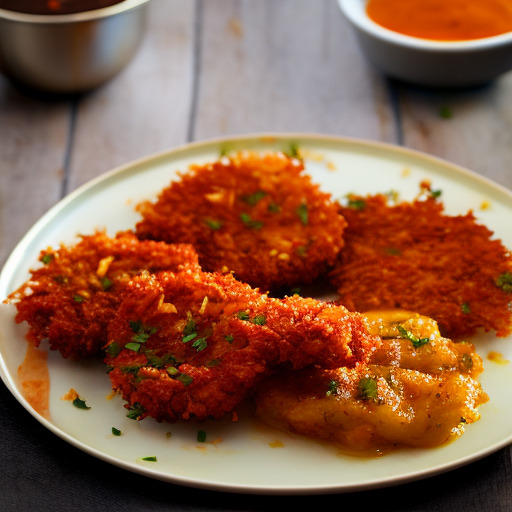
How to Make the Perfect Latke: A Complete Recipe Guide
Latkes are a classic Jewish dish that has become a popular food item worldwide. This delicious potato pancake is usually served during Hanukkah and is commonly topped with sour cream or applesauce. They are crispy on the outside, while tender and flavorful on the inside. These pancakes are not only a fun food to eat, but they also have an interesting history.
Origins of Latkes
Latkes are a traditional Jewish dish, and their exact origin is not known. The dish has been associated with Hanukkah since the Middle Ages when Hanukkah traditions became well-known in Europe. According to some historians, the tradition of eating latkes during Hanukkah began because of how they are cooked.
Ancient Jerusalem was under siege by Syrian-Greek soldiers in 165 B.C.E. and Jews in hiding had very few ingredients. It is believed that they had potatoes and oil, so they made latkes as a way to celebrate their freedom and keep their religious customs alive. Since then, generations of Jewish families continue to enjoy latkes throughout the eight-day celebration of Hanukkah.
Why Latkes Are Popular
The popularity of latkes lies in their versatility. They come in various flavors, made with different spices and vegetables, such as sweet potatoes, carrots, or zucchini. The recipe can also be adjusted to fit specific dietary requirements like gluten-free or vegetarian.
Beyond religious traditions, latkes have become part of many cultures’ holiday menus because they symbolize warmth, gathering together with loved ones and indulging in treats during festivities.
Brief Overview of Recipe
- The recipe for making latkes is relatively straightforward and offers a great opportunity to bond with your family or friends in the kitchen.
- The fundamental ingredients needed for making latkes include potatoes, eggs, flour, oil, onions, and salt.
- The first step to making great latkes is ensuring you have the required equipment, such as a frying pan or grater.
- The recipe involves preparing the potatoes by washing and peeling them, grating them into thin slices and wringing out any excess moisture.
- The grated potatoes are then mixed with the remaining ingredients to form a cohesive batter that is molded into pancake-shaped patties and fried in shallow oil until they are crispy golden brown on each side.
Ingredients:
- 4-5 large russet potatoes peeled and grated
- 1 medium-sized onion grated
- 2 large eggs beaten lightly
- 2 tablespoons of all-purpose flour
- 1 teaspoon salt
- 1/4 teaspoon black pepper
- Vegetable oil for frying
Ideal Types of Potatoes for Making Latkes
The ideal type of potatoes for making latkes should be starchy when cooked to provide the right texture and flavor. Russet or Idaho potatoes are ideal because they are starchy and do not contain too much water, which is important since draining the moisture from the potatoes well before mixing with other ingredients ensures the desired crunchy texture. Red bliss, Yukon Gold, or sweet potatoes are also often used in variations of traditional mixtures because of their unique flavors and moistures content.
Preparing the Potatoes:
The method for preparing the potatoes is a crucial step in making great latkes.
- Wash and peel the potatoes before grating them into thin slices.
- Remove any excess moisture from the grated potatoes by squeezing them in a clean kitchen towel, this ensures that your latkes get crispy when cooked.
- Grate the onion and add it to the squeezed potatoes.
The grated onion helps to maintain the taste of traditional latkes, and it makes them more flavorful. It’s essential to keep the potato pieces small because large pieces can cause the mixture to fall apart while cooking.
Making the Batter:
The batter is what holds everything together and makes latkes what they are. Creating an evenly mixed batter is necessary to ensure that your latkes are not dry or burned on one side.
- In a large mixing bowl, add eggs, flour, salt, pepper, mix until combined.
- Add the potatoes and onions to the batter, make sure they are fully coated with batter.
If you prefer more flavor or texture variations in your latke recipe, you can include additional ingredients with variations of herbs such as rosemary or dill.
Cooking Methods:
It is essential to note that cooking methods determine how amazing your latke will turn outs. There are two methods generally used for cooking latkes:
Frying:
This is the classic method of cooking latkes and offers authentic texture and flavor. Pan-frying involves using enough oil in a shallow pan so that there is at least ¼ inch of oil coating The bottom of your pan.
- Heat up the oil in the frying pan on medium-high heat.
- Add the latkes in small scoops and flatten with a spoon or spatula.
- Fry each side for about four minutes until golden brown or until both sides are evenly cooked
Baking:
Baking is another great method if you want to decrease your oil intake without compromising the taste o texture of your latkes.
- Preheat your oven to 425 Fahrenheit (218 Celsius).
- Pour enough oil to cover a baking sheet- using parchment paper can help reduce sticking.
- Mold and arrange the batter as you would if you were cooking on a skillet with enough space between each scoop. The Latkes should be at least an inch apart between each slice on all sides when baking
- Cook for approximately 20 minutes, turning over halfway through. Enjoy once they’re crispy and golden brown.
Recipes With Variations:
To get more out of your Latke recipe, here are three unique variations to try out:
Classic Latke Recipe:
- Use the Base ingredient list mentioned before along with small variations to ensure classic flavoring.
- 1 chopped clove of garlic,
- A fourth teaspoon of paprika,
Sweet Potato Latke Recipe:
- This variation substitutes traditional white potatoes for sweet potatoes that offer an extra sweetness note while also catering to vegans.
- 2 medium sweet potatoes, peeled and grated
- 1 small onion, grated
- 2 large eggs beaten lightly
- 1/4 cup of breadcrumbs
- 1 teaspoon maple syrup
- ½ teaspoon salt
- Vegetable oil for frying
The method for batter creation remains the same as listed before with all ingredients added accordingly.
Veggie Latke Recipe:
Mixing it up with some vegetables can be an alternative approach to creating profound flavors that cater to a more varied palate.
- The ingredient list varies based on chosen vegetable options. Here is a mix-in potato recipe:
- 2 large russet potatoes peeled and grated
- Cauliflower- grated down to the same size as potato measurements
- 1 medium-sized onion grated
- The classic toppings served on latkes are sour cream and apple sauce.
- To add a new flourish, top your latkes with smoked salmon, lox, or a horseradish cream sauce.
- Try dipping your latkes in Sriracha aioli for an extra umami flavor. The aioli is a garlic-flavored creamy dipping sauce that is made with Sriracha, lime, mayo, and occasionally yoghurt if desired.
- Top Latkes with some maple butter to enjoy both the crispy and sweetness of the latkes wrapped into one heavenly experience.
- Most times, the issue is excess moisture in the potato batter. Remember to clean and dry the grated potatoes thoroughly before mixing them with other ingredients.
- If you had not fully wrung out all the excess moisture before frying, chances are they’ll come out a bit soggy
- Try cooking your latkes at a with evenly heated heat or lower temperature for sufficient time to get a crispy outer layer while ensuring that they cook through properly.
- To reheat in a pan, heat some oil over medium-high heat and place latkes in the pan once hot; fry on each side until crispy and heated throughout.
- To reheat in an oven, preheat it to 350 Fahrenheit (177 Celsius) and bake until heated through. It typically takes around ten minutes or so, depending on the oven’s temperature.
- 2 pounds russet potatoes
- 1 medium onion
- 2 large eggs
- 2 tablespoons flour
- 1 teaspoon kosher salt
- Frying oil (vegetable or canola)
- Sweet potato or butternut squash for a sweeter flavor
- Zucchini or carrots for a veggie twist
- Jalapeños for some heat
- Cheese (like cheddar or feta) for extra richness
The recipe creation process remains similar, with all ingredients mixed accordingly and fried using either baking or pan-frying methods listed previously.
Serving Suggestions:
Traditional Pairings:
Creative Twists:
You can add your unique spin to the latke recipe with exciting twists that are sure to leave everyone craving a second serving! Here are two creative twists for you to try:
Frequently Asked Questions
How do I make sure my potato pancakes stick together?
The most important thing for keeping your latkes intact is ensuring that the potatoes are firmly grated and any excess moisture is removed. You can also add flour or breadcrumbs to hold everything together well.
Can I freeze unbaked latkes?
Absolutely! Place unbaked latkes on baking sheets lined with wax paper or parchment paper in a single layer and freeze until completely hard. Transfer frozen patties to large plastic bags. Freeze up to three months before cooking.
How long can cooked potato pancakes stay fresh in the fridge?
The cooked latkes are freshest when eaten immediately, but they still taste great when stored in the refrigerator for up to three days. You can then reheat them by quickly pan-frying or briefly warming them up in your oven.
Troubleshooting Tips:
My potato pancakes came out soggy; what went wrong?
My potato pancakes are falling apart when I flip them?
The batter of your potato pancakes may lack enough binding agents, like eggs or flour. Try adding an extra egg or one tablespoon of flour to your batter. Always ensure that your pan is at the right temperature and oil is not too hot which might affect the cohesion of the mixture.
Storage and Reheating Tips:
Proper storage and reheating can preserve your delicious Latkes so that you can enjoy them again later. These steps make it easy to enjoy perfect latkes every time.
Storing pre-cooked mixture:
If you need to store any unused portion of the mixture, store it separately in an airtight container in the refrigerator for up to two days. Alternatively, you can also freeze the smoothened batter blend for up to six weeks.
Reheating:
Conclusion:
Latkes are special dishes that can bring joy and warmth to any table setting. From historic Jewish traditions to cross-cultural celebrations, Latkes offer a variety of flavors, styles and health-conscious ingredients for whatever your tastebud may be craving! Mastering these recipes isn’t hard, following these straightforward instructions provided in this complete recipe guide is all you need to make every pancake crispy golden brown - ready to serve up with your favorite toppings.
5 FAQs about Latke Recipe
1. What are latkes?
Latkes are a type of potato pancake that is traditionally eaten during the Jewish holiday of Hanukkah. They are crispy on the outside, tender on the inside, and often served with sour cream or applesauce.
2. What ingredients do I need to make latkes?
The main ingredients for latkes are potatoes, onions, eggs, flour, and salt. You can also add some spices like pepper and garlic if you prefer.
The recipe basics:
3. How do I make sure my latkes come out crispy?
To ensure crispy latkes, it’s important to squeeze as much moisture as possible out of the grated potatoes before frying. This can be done using a clean kitchen towel or cheesecloth. Additionally, make sure your oil is hot enough (around 375°F) and don’t overcrowd the pan.
4. Can I make latkes ahead of time?
Absolutely! Latkes can be made ahead of time and reheated in the oven before serving. To reheat, preheat the oven to 375°F and place the latkes on a baking sheet until warmed through (about 10 minutes).
Note: For best results, store leftovers in an airtight container in the refrigerator and reheat in a 375°F oven until crisp.
5. Are there any variations on traditional latke recipe?
Absolutely! While traditional latkes are made with potatoes, onions, and eggs, you can get creative with your recipe and add other ingredients for unique flavors. Some ideas include: