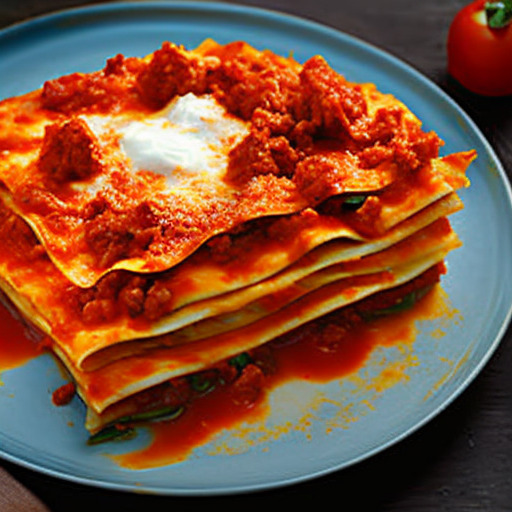
lasagne recipe
The Ultimate Guide to Making Lasagne at Home
Welcome to the ultimate lasagne guide! Lasagne is a classic Italian dish that has been enjoyed by people all around the world. There’s something special about a homemade lasagne, with its layers of meat or vegetables, cheese, and tender pasta sheets. The dish itself is versatile and can be adapted to suit individual preferences and lifestyles. Whether you’re feeding a crowd or just want to meal prep for the week ahead, lasagne is an excellent dish to make at home.
Introduction
Let’s start with the history and origins of lasagne. It is believed that the dish was first created in Italy during the Middle Ages. However, the word “lasagna” actually comes from the Greek word “lasagnum,” which refers to a long rectangular baking dish used to make the dish. From this, the word “lasagna” has grown to encompass both the baking dish and the pasta dish itself.
Why make lasagne at home? For one thing, it’s a great way to impress your friends and family with your culinary skills. But more importantly, there are many benefits to making lasagne from scratch. Firstly, you can control exactly what goes into it - no preservatives, no additives, just fresh ingredients that you carefully selected yourself. Secondly, while it may seem like an intimidating dish to make from scratch, it isn’t as complicated as you might think.
Ingredients
Before we start talking about how to make a perfect lasagne at home, let’s discuss some important aspects of ingredients that go into the dish.
Overview of necessary ingredients
- Pasta sheets
- Meat sauce
- Cheese sauce
- Tomato sauce (optional)
- Cheeses (mozzarella, ricotta, parmesan, etc.)
- Fresh herbs (basil and oregano, for example)
- Salt and pepper
Importance of using fresh ingredients rather than canned or pre-packaged products
Using fresh ingredients can make a huge difference in the outcome of your lasagne. Canned, frozen or pre-packaged products may contain additives that you don’t want in your beautiful homemade dish. Fresh vegetables like onions, garlic and tomatoes can be chopped easily and will give your dish a delicious homemade flavor.
Tips for selecting the best quality ingredients
- Choose lean ground meat for the meat sauce.
- Choose ripe and juicy tomatoes for the tomato sauce.
- Choose fresh whole milk ricotta cheese.
- Select cheese wisely. It is best to use a mixture of different cheeses to create rich and diverse flavors in the dish. Mozzarella cheese adds dampness to the lasagne, while Parmesan adds a salty flavor.
- If possible, grow fresh herbs such as basil leaves or oregano yourself to ensure that they are as fresh as possible.
The Meat Sauce
The meat sauce is a crucial component of any great lasagne. The classic version is made with ground beef, but some people choose to use ground turkey instead for health reasons. Vegetarians can substitute the meat sauce with vegetables or soy-based protein options like tofu. A vegetarian version of lasagne can also be made by using only vegetables such as mushrooms and various shaped zucchini, chopped onion, carrots and bell peppers. Here’s how to make a perfect meat sauce:
- Heat olive or vegetable oil in a large frying pan
- Add chopped onions and garlic to the pan and cook until onions become translucent.
- Add ground beef to the pan and cook until it starts to brown.
- Drain any excess fat that may have accumulated in the pan.
- Stir in some canned diced tomatoes or tomato paste (for added texture). Add some dried herbs like basil, oregano, salt, pepper, sugar and red chili pepper flakes for added flavor.
- Simmer over low heat for 30 minutes. Then cover with a lid and let it simmer for another 15-20 minutes till the sauce is bubbly and thick.
Alternative sauce options for vegetarians/vegans
If you’re looking for non-meat alternatives for your lasagne recipe, there are many possibilities. You can simply use chopped vegetables in place of meat and add vegetarian-friendly sauces like tomato sauce (blended fresh tomatoes cooked with olive oil, salt, pepper basil leaves and garlic cloves) or white sauce made with soy milk. In the same vein, various combinations of nuts which are rich in protein like almonds, pine nuts or cashews can be used to make sauces that can rival meat-based flavors as well.
The Cheese Sauce
Cheese sauce is an important part of your lasagne recipe. It should be flavorful and creamy without overpowering the other ingredients. The right amount of cheese ensures the dish is perfectly moist without being too wet or soupy. Various types of cheese such as mozzarella, parmesan and ricotta are important components in the cheese sauce.
Types of cheese to use in the lasagne recipe
- Mozzarella cheese: It adds dampness to the lasagne without overpowering other flavors.
- Parmesan cheese: It is used mainly to add distinct salty flavor and a unique texture to your lasagne dish.
- Ricotta Cheese: It helps in binding all the layers together while adding an element of sweetness to it.
- Cheddar cheese: Cheddar cheese can also be used in your lasagne recipe as a substitute or in place of mozzarella. It gives the lasagne an extra touch of sharpness and oomph. Some people prefer using this type of cheese due to its stronger flavor profile when compared with mozzarella.
How to make homemade cheese sauce
- Melt butter over low heat in a medium saucepan.
- Add flour and whisk constantly for at least two minutes to cook the flour (this will remove the aftertaste that raw flour can leave).
- Add milk whisking constantly over the medium heat until it comes to boil.
- Add salt, pepper, and nutmeg for added flavor – reduction is best.
- Add shredded mozzarella, parmesan, or another favorite cheese and stir until melted and incorporated into the sauce.
- Pour the mixture slowly into your strainer/sieve set on top of a large bowl and whisk vigorously until smooth creamy consistency is achieved.
Common mistakes to avoid when making cheese sauce
- Don’t let cheese burn by cooking it for too long on low flame.
- Don’t use processed cheese.
- Be careful while using cheddar cheese as it can melt/overpower the other flavors in the dish.
The Pasta Layers
Pasta layers are the backbone of any great lasagne dish. You can either opt to make pasta from scratch or you can buy them from your local store. Some people even use egg or freshly made lasagne sheets that have been cut into shape and dried They come in various thicknesses and textures too, so choose according to personal preference. Thick sheets for those who prefer a more pasta-like texture and thin for those who like their lasagne on the lighter side. Deconstructed lasagnas that require boiled noodles instead of baked ones can also be used to save time (but it won’t be quite as good!). Here’s how to prepare perfect pasta for your lasagne:
Preparing the pasta sheets from scratch
- In a mixing bowl, combine flour and salt.
- Whisk an egg in another bowl then add it to the mixed flour along with water, mixing slowly until it forms a sticky dough
- Knead the dough for some minutes till it becomes smooth, shape it into a ball, then wrap with a cling film and leave aside for at least 30 minutes before cutting out lasagne sheets.
- Cook lasagne in boiling water for 2-3 minutes on one side before flipping over and cooking for another minute till pieces become slightly soft (al dente)
- Lay cooked pasta sheets flat out on paper towel or cling wrap for easier assembly later.
Buying pre-made pasta sheets from your local store
To save time, you can simply purchase pre-packaged lasagne sheets that have been pre-cooked to give them extra durability. Feel free to get the dried or precooked lasagne sheets from your local grocery store and see the difference it makes. You’re sure to find a great assortment of pasta sheets that can be used for lasagne recipes.
How to choose the right texture for perfect pasta layers
The thickness of your lasagne sheets is a matter of personal preference even though thinner ones tend to be layered more easily but still pack the same taste punch. Thicker pieces of lasagne tend to retain more moisture which may be desired if you prefer a softer and richer result. Al dente pasta is best and adds just the perfect amount of bite that a good lasagne deserves.
Preparation
Lasagne requires several components so make sure you’re organized and have everything on hand before starting. Here are some tips for preparing all the necessary ingredients before assembling your lasagne:
- Cook ground beef or turkey as needed ahead of time for quicker assembly later.
- Mix cheese sauce while baking meat sauce, allowing each layer enough time to set and bake.
- Prepare the pasta according to package instructions or cook as planned in advance.
- For best results in baking your lasagne, ensure that all ingredients are at room temperature before layering and starting baking.
- Ensure that spices such as black pepper, salt, red chilies, basil and oregano have been properly mixed with either meat or tomato-based sauce.
Layering your Lasagna
The layering process is where all the creativity comes out. Have fun by alternating layers of meat and cheese sauce, and pasta sheets. Making sure ingredients are added in sufficient quantity to provide flavor. Each layer is designed to bring out more flavors intermingled with each other. Here are some tips for the perfect lasagne:
- Spread the meat sauce at the bottom of the baking dish.
- Add a layer of lasagne sheets on top of the meat sauce, lengthwise or crosswise depending on size of baking dish.
- Add the cheese sauce on top of the lasagne sheets then sprinkle Parmesan Cheese over it.
- Repeat these steps until you have three or four layers, depending on how your dish is designed ; make sure the topmost layer has pasta on it before adding mozzarella cheese, basil, chopped herbs or any other type of seasoning.
- Cover baking dish with aluminium foil before baking for 30 to 40 minutes, then remove foil for an extra 20 minutes until firm and lightly browned on top.
Baking your Lasagne
Lasagne needs to bake slowly to ensure that ingredients meld together into a delicious finished product. Here are some tips for baking a great lasagne:
- Preheat your oven depending upon the recipe instructions or bake-type specifications
- Bake uncovered initially and cover with aluminum foil for final 20-25 minutes allowing innermost layer(s) to cook thoroughly but without drying out due to excess evaporation.
- Bake for at least 50-60 minutes if using fresh pasta sheets or store-bought precooked ones
- Test with a toothpick in multiple places towards the center before removing from oven (a great tell-tale sign that everything is done).
Serving and Storing
Your homemade lasagne is now ready to serve! It’s important to slice and plate your lasagne carefully, making sure all the layers are visible and presented perfectly. The right wine will take the taste of a palatable meal to even greater heights. For storage:
- Leftovers can be stored in an airtight container in the refrigerator for 2-3 days and reheated in the oven at 375 degrees Fahrenheit for up to 30 min before serving.
- Lasagne freezes well in portions or as a whole, defrosting overnight in your refrigerator and then reheating as needed.
- Remember to cover with aluminum foil when storing the lasagne in the freezer, this will help to prevent freezer burn.
Troubleshooting issues and common mistakes
Even with your utmost care in a perfect recipe, things can still go wrong when making lasagne. Here are some common issues that can come up when making lasagne:
- If your sauce is too “runny”, thicken it up by allowing it to simmer more on low heat
- If the lasagne seems too dry, add more cheese or tomato sauce which can give you a more fulfilling taste.
- If the dish is too saucy, try cooking or reheating with aluminum foil on top or placing under closer proximity to broil settings (if using an oven).
- If your meat sauce tastes bland, add more herbs like basil and oregano at earlier stages of cook time.
- Dried pasta sheets must be pre-boiled before being layered -raw sheets will leave you with uncooked pockets and/or inconsistent texture when the dish is ready.
Conclusion
Lasagne can seem like an intimidating dish to make, but it’s actually quite simple if you follow these instructions. The key is to take your time and pay attention to every step of the process from preparing the ingredients to baking and serving. By using fresh ingredients, making homemade sauces, carefully layering your lasagne, using a deep baking dish, selecting the right temperature for baking and deciding on a perfect bake schedule, you can create a delicious homemade lasagne that will leave you happy and satisfied for days.
Frequently Asked Questions About Lasagne Recipe
1. What is Lasagne?
Lasagne is a type of pasta made with flat, wide noodles that are traditionally layered with meat sauce and cheese.
2. What are the ingredients for a basic lasagne recipe?
- Lasagne noodles
- Ground beef or sausage
- Tomato sauce
- Ricotta cheese
- Shredded mozzarella cheese
- Grated Parmesan cheese
- Eggs
- Garlic, onion, and spices (optional)
3. Do I need to cook the lasagne noodles before assembling the lasagne?
No, it is not necessary to cook the lasagne noodles before assembling the lasagne. The noodles will cook in the oven as they absorb liquid from the sauce and cheese.
4. Can I use a different type of meat besides ground beef or sausage?
Absolutely! You can use ground turkey, chicken, or even vegetarian crumbles as a substitute for ground beef or sausage.
5. How do I layer the ingredients in a lasagne?
The layers for a basic lasagne recipe are:
- Sauce on bottom of dish
- Noodles (overlapping if necessary)
- Ricotta mixture spread evenly over noodles
- Sauce and shredded mozzarella cheese (alternating layers of noodle, cheese and sauce until all used up)
6. What temperature should I bake the lasagne at?
Bake the lasagne at 375°F for about 30 to 40 minutes, or until hot and bubbly. Let it rest for a few minutes before cutting into it.
7. How long does leftover lasagne last in the fridge?
Leftover lasagne can be stored in an airtight container in the fridge for up to 5 days.