filet mignon recipe
Perfecting Your Filet Mignon Recipe: A Guide to Preparing the Ultimate Steak
If you’re a steak lover, you’ve probably heard of the luxurious cut of beef known as filet mignon. Also known as tenderloin, it’s a highly prized beef steak cut from the smaller end of the loin. It’s often considered the most desirable part of the beef due to its tender texture and superior flavor.
However, cooking filet mignon perfectly can be a challenge. You don’t want to end up with an overcooked, rubbery piece of steak that doesn’t do justice to this exquisite cut. But fear not! In this article, we’ll guide you through selecting, preparing, and cooking filet mignon like a pro, so that you can enjoy the ultimate steak experience in the comfort of your own home.
Understanding Filet Mignon
Before we jump into cooking methods, let’s first understand what makes up filet mignon and what to look for when selecting your piece of meat. Filet mignon is cut from the small end of the tenderloin muscle that runs along the spine. It is typically smaller in size compared to other types of steaks but is highly regarded for its tenderness.
When looking for high-quality filet mignon, you should consider factors such as color (bright red), marbling (small flecks or streaks of fat), texture (firm but also slightly soft), and thickness (1-2 inches). You should avoid steaks that appear brown or grayish, are too thin or thick, or have excessive amounts of fat or gristle.
Differences between grass-fed and grain-fed beef can also impact the flavor profile and quality of your filet mignon. Grass-fed beef is generally leaner and can have a more gamey flavor, while grain-fed beef has a richer taste and more marbling. To choose the right type of beef for your recipe, take into account your personal preference and what flavors appeal to you.
Selecting the Best Filet Mignon
When choosing filet mignon, it’s important to consider several factors that will impact its quality and taste. First and foremost, look for steaks that are bright red in color, have good marbling, and are uniform in thickness. You should also consider the grade of the beef – prime, choice, or select – with prime being the most desirable option due to its superior marbling.
Another factor to consider is whether you want a bone-in or boneless filet mignon. Bone-in steaks can add flavor and some say the bone helps with even cooking, but they may be harder to come by.
You should also check with your local butcher or supplier about how long ago the filet mignon was cut and if it has been aged. Dry-aged steaks are left to hang for several weeks in a temperature-controlled environment and can have a more concentrated flavor due to moisture loss.
Preparing Filet Mignon for Cooking
Once you have your selected piece of filet mignon ready, you’ll need to properly prepare it before cooking. Start by thawing your steak if it was frozen. You can do this by transferring it from the freezer to the fridge and letting it thaw for at least 24 hours before cooking.
For enhanced flavor, let your steak marinate for at least twenty-four hours in the fridge before cooking. Some popular marinade options include balsamic and soy sauce, garlic and herb-based seasonings, or just classic salt and pepper.
You’ll also want to carefully trim any excess fat or silver skin from the steak’s surface. Tying your filet mignon with butcher twine can help it keep its uniform shape while cooking, ensuring an even cook and a great presentation on your plate.
Cooking Techniques for Filet Mignon
Grilling Method
The grill is one of the most popular methods for cooking filet mignon. When grilling, start by preheating your grill to high heat and then turning down the burners to medium heat. Place your seasoned filet mignon on the grill, close the lid, and let it cook for about five minutes per side.
Before taking it off the grill, use a meat thermometer to check that the internal temperature has reached 135 – 140°F (medium-rare) or 145-150°F (medium). Once cooked, let it rest for five to ten minutes before slicing and serving.
Pan-Seared Method
If you don’t have a grill or prefer pan-searing, this method may be an excellent alternative for preparing your steak. Start by preheating your oven to 400°F. Season your steak with salt and pepper or other desired seasonings of your choice. Preheat an oven-safe skillet over high heat and add in a tablespoon of olive oil. Once hot, add in your seasoned filet mignon and sear on each side for around three minutes per side.
Finally, transfer the skillet with steak in it into preheated oven and let it cook until it reaches an internal temperature of 135-140°F (medium-rare) or 145-150°F (medium). You can also add toppings such as butter and herbs to the skillet as your steak approaches its desired level of doneness.
Sous Vide Method
The sous-vide method is a newer approach to filet mignon cooking that’s gaining popularity due to its consistency. For this method, you’ll need a vacuum-sealing machine and a sous-vide precision cooker. Start by seasoning your steak as desired with salt, pepper, and any other herbs and spices.
Vacuum-seal your seasoned filet mignon in a bag and make sure it’s tightly sealed before placing it in a water bath using the sous-vide precision cooker. Cook your steak in the water bath with a temperature of 130-135°F (medium-rare) or 140-145°F (medium) for at least one hour but up to four hours for best results.
Oven-Baked Method
If you have an oven available, you can try baking your filet mignon. Preheat your oven to 450°F, place your seasoned filet on an oven-safe dish, and cook for about 10 minutes till the internal temperature reaches around 135 – 140°F (medium-rare) or 145-150°F (medium).
You can also broil the steak after baking to achieve more well-done outcomes, depending on what you prefer. Once done, cover and leave it to rest for five minutes before serving.
Serving Filet Mignon Like a Pro
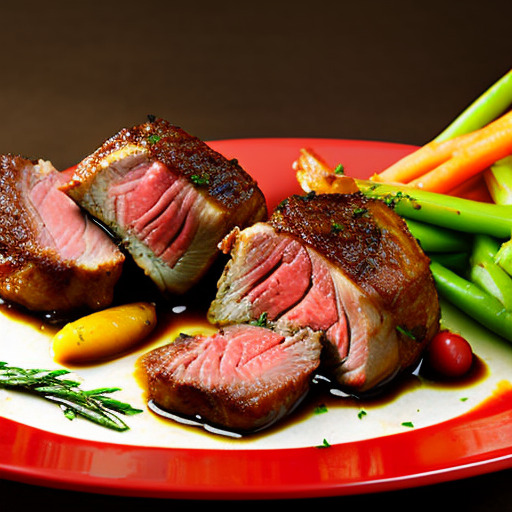
Now that you’ve successfully cooked your filet mignon, it’s time to serve it up like a pro! A simple way would be plating it on warm plates and garnishing with fresh herbs such as parsley or thyme—they add some excellent aromas to the dish and a touch of color.
But why stop there? Consider pairing your steak with other side dishes such as roasted potatoes or crispy green beans; their distinct smells will enrich your steak experience. And don’t forget the wine! Pairing can take the dish to another level.
Troubleshooting and Common Mistakes When Cooking Filet Mignon
There are several common mistakes that people can make when cooking filet mignon that can result in a poor-quality steak. One of the biggest mistakes is overcooking, resulting in dry, tough meat lacking flavor. Another mistake is cutting into the steak too soon before allowing it to rest, causing juices to escape.
To troubleshoot cooking mistakes, try using a meat thermometer to monitor internal temperature much during cooking. If you’ve already taken the steak off the heat and it’s not cooked correctly, try using a low- heat cooking process to bring it back up to temperature slowly.
How to Store and Reheat Filet Mignon
If you have leftovers, there are several methods for storing and reheating your filet mignon.
To store uncooked filet mignon, place it into an airtight container or plastic wrap and freeze until needed once thawed You should cook it within two days for best results results
If you have leftover cooked steak, let it cool but do not store at room temperature for more than two hours. If you plan on storing it in the fridge, allow it time to cool first then wrap in plastic wrap or aluminum foil tightly before placing it in air-tight containers.. You can also reheat your leftover filet mignon with various options like oven-roasting, microwaving or sous-vide method but remember not reheat more than once.
Conclusion
Cooking filet mignon is not as difficult as most people think. By choosing your steak carefully and applying proper cooking techniques, you can enjoy a velvety, tender steak with loads of flavor. Remember to be patient when cooking, letting the steak rest after taking it off the heat, and finally pairing it with complementary sides and wine to make this a perfect meal.
Frequently Asked Questions About Filet Mignon Recipe
1. What is filet mignon, and how do I cook it?
Filet mignon is a steak cut from the tenderloin of a cow. It has a buttery texture and mild flavor. To cook it, heat a skillet with oil until very hot, then add salt and pepper to the steak before searing for 3-4 minutes each side for medium-rare.
2. How can I make my filet mignon more flavorful?
Marinating your filet mignon for a couple of hours before cooking can add flavor to the meat. Also, garlic butter or blue cheese sauce can complement the taste of the filet mignon.
3. What temperature should I cook my filet mignon to?
For medium-rare filet mignon, the internal temperature should be 135°F (57°C). For medium steak, it should be 145°F (63°C), and for well-done steak, 160°F (71°C).
4. How long should I rest my filet mignon after cooking?
It’s recommended to let your filet mignon rest for 5-8 minutes after cooking to allow the juices to redistribute into the meat and keep it moist and tender.
5. Can I grill my filet mignon? If so, what’s the best way?
Yes, you can grill your filet mignon by preheating your grill over medium-high heat and brushing oil over the grates. Season your steak with salt and pepper before placing it on the grill for 5-6 minutes each side for medium-rare steak.
6. What are the best sides to serve with filet mignon?
- Roasted vegetables such as asparagus, broccoli, or carrots.
- Mashed potatoes or baked potatoes.
- Risotto or creamy polenta.
- Green salad drizzled with balsamic vinaigrette or another tangy dressing.
7. Can I cook filet mignon in the oven? If so, what’s the best way?
Yes, you can cook your filet mignon in the oven by preheating it to 400°F (204°C). Rub oil, salt, and pepper over the meat before searing it in a skillet for 2-3 minutes on each side. Transfer it to the oven and bake for 10-15 minutes until reaching your preferred doneness.